Apiaceae
Wild Angelica (Angelica sylvestris): Full Grow & Care Guide
Angelica sylvestris
A robust, low-maintenance plant that thrives in moist, humus-rich soil. Water regularly to keep the soil consistently moist. Tolerates partial shade to full sun as long as moisture is adequate. Flowers in summer and is excellent for wildlife gardens.
Every 7 days
Partial shade
-20° - 35°C
60% - 80%
Categories
What is Wild Angelica?
Wild Angelica (Angelica sylvestris) is a medium-care plant from the Apiaceae family. Wild Angelica (Angelica sylvestris) is a biennial or short-lived perennial herb in the family Apiaceae, native to Europe and temperate Asia. It thrives in moist, shaded environments such as riverbanks, woodland margins, and damp meadows, growing up to 2 metres tall. Its white to pale pink flowers, a...
Wild Angelica grows up to 2.0m, spread of 60cm, watering every 7 days, -20°C – 35°C, 60–80% humidity. It is not suitable for indoor environments and safe for pets.
Unlike many popular species, Wild Angelica is safe to keep around pets.
How to Care for Wild Angelica?
TLDR: Wild Angelica needs Partial shade, watering every 7 days, and temperatures between -20-35°C with 60-80% humidity.
How Often Should You Water Wild Angelica?
Water approximately once a week to maintain consistently moist soil. Do not allow the soil to dry out completely. Increase frequency during hot or dry spells. Water at the base of the plant to prevent fungal issues.
How Much Light Does Wild Angelica Need?
Grows well in partial shade to full sun. In hotter climates, provide afternoon shade to prevent wilting. Dappled light under trees mimics its natural woodland habitat.
What Is the Best Soil for Wild Angelica?
Prefers loamy, rich soil with good moisture retention. Ideal pH: 5.5–6.5. Amend with well-rotted compost or manure to improve fertility and water retention. Avoid sandy or chalky soils.
What Pot Should You Use for Wild Angelica?
Large pot with good drainage if container-grown, though best planted directly in the garden where it can reach its full size.
What Is Wild Angelica and Where Does It Come From?
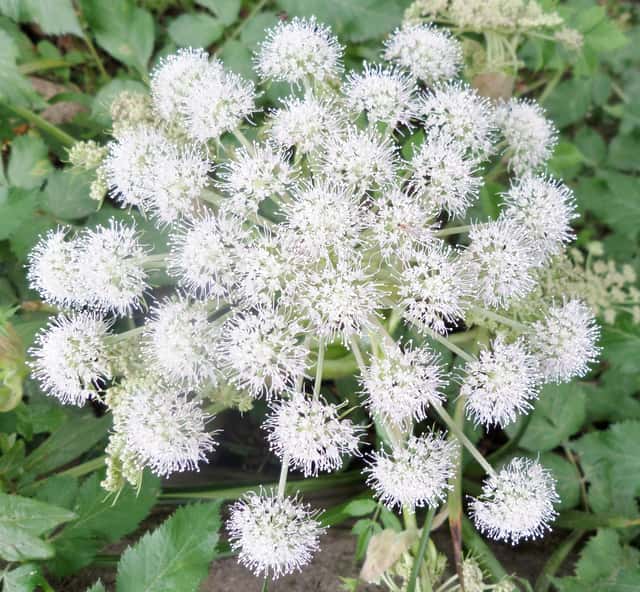
Wild Angelica (Angelica sylvestris) is a biennial or short-lived perennial herb in the family Apiaceae, native to Europe and temperate Asia. It thrives in moist, shaded environments such as riverbanks, woodland margins, and damp meadows, growing up to 2 metres tall. Its white to pale pink flowers, arranged in large compound umbels, are a magnet for bees, hoverflies, and butterflies. The plant has a long history of medicinal use across Europe, valued for its digestive, diuretic, and expectorant properties.
How Big Does Wild Angelica Grow?
TLDR: Wild Angelica can reach up to 2.0m tall with Medium growth rate.
Max height
2.0m
Spread
60cm
Growth rate
Medium
Foliage
Deciduous
Warning: Toxic Plant
This plant can be toxic if ingested. Keep out of reach of:
Plant Uses
Ornamental
Great for decoration
Medicinal
Medicinal properties
Medicinal Uses
- Digestive and carminative aid
- Diuretic
- Expectorant
- Anti-inflammatory
- Traditional remedy for bronchitis, indigestion, and colic
Is your plant showing symptoms?
Click on the symptom to discover possible causes:
What Diseases Commonly Affect Wild Angelica?
TLDR: Wild Angelica is susceptible to 5 known diseases. Monitor regularly for early detection.
Aphids
Aphids are small, soft-bodied, pear-shaped insects (1/16 to 1/8 inch long) that feed by sucking nutrient-rich sap from plants. They reproduce rapidly and can quickly weaken plants, causing distorted growth and transmitting plant viruses. Aphids come in various colors including green, black, red, yellow, brown, and gray. They secrete honeydew, a sticky substance that attracts ants and encourages sooty mold growth.
Powdery Mildew
Powdery mildew is a common fungal disease caused by various fungi species including Erysiphe, Podosphaera, Oïdium, and Leveillula. It affects over 10,000 plant species worldwide. The disease thrives in warm, dry climates with high humidity and appears as a distinctive white powdery coating on plant surfaces.
Slugs and Snails
Slugs and snails are mollusks that feed on plant tissue, causing irregular holes in leaves and damage to young seedlings. They are most active at night and in moist conditions, leaving characteristic silvery slime trails. These pests can quickly devastate gardens, especially during wet seasons.
Leafminers
Leafminers are the larvae of various insects including flies, moths, sawflies, and beetles that tunnel between leaf surfaces, creating distinctive serpentine trails or blotchy patches. While primarily cosmetic, severe infestations can weaken plants by reducing photosynthesis capacity and making them susceptible to secondary infections.
Meaning & Symbolism
Associated with angelic protection and medieval healing; legend holds that an archangel revealed its medicinal virtues as a remedy against plague and poison.
Fun Facts
Wild Angelica seeds rapidly lose viability and should be sown fresh for best germination results.
The plant contains furanocoumarins that can cause phototoxic skin reactions — wear gloves when handling.
Historically, the roots and stems were used to flavour liqueurs and perfumes in medieval Europe.
A single Wild Angelica umbel can attract over 50 species of pollinating insects, making it a valuable biodiversity plant.
Compare with similar plants
| Attribute | Difficulty | Light | Watering | Pet Safe |
|---|---|---|---|---|
| Dark Fieldcap | Medium | Low light | 2d | ⚠️ |
| Azalea | Medium | Partial shade | 3d | ⚠️ |
| Bougainvillea | Medium | Direct sun | 7d | ⚠️ |
| Wild Lettuce | Medium | Direct sun | 7d | ⚠️ |



