Araceae
Jack in the Pulpit (Arisaema): The Mysterious Woodland Aroid
Arisaema
Woodland plants that thrive in shade with rich, well-draining organic soil. Proper drainage is essential to prevent tuber rot. Plants go fully dormant in winter — reduce watering drastically during this period.
Every 8 days
Low light
4° - 28°C
30% - 50%
Categories
What is Jack in the pulpit?
Jack in the pulpit (Arisaema) is a medium-care plant from the Araceae family. Arisaema is a genus of approximately 150 species of woodland tuberous aroids native to Asia and North America. They are celebrated for their unique hooded inflorescences (spathe and spadix) and exotic foliage. Plants go dormant in winter and re-emerge vigorously each spring. The most well-known spec...
Jack in the pulpit grows up to 90cm, spread of 60cm, watering every 8 days, 4°C – 28°C, 30–50% humidity. It is not suitable for indoor environments and not safe for pets.
Without precautions, ingestion can cause irritation in pets. Keep out of reach of cats and dogs.
How to Care for Jack in the pulpit?
TLDR: Jack in the pulpit needs Low light, watering every 8 days, and temperatures between 4-28°C with 30-50% humidity.
How Often Should You Water Jack in the pulpit?
Water every 7–9 days during the growing season, keeping soil lightly moist. Once the plant enters dormancy in fall/winter, water only once a month to prevent the tuber from completely drying out.
How Much Light Does Jack in the pulpit Need?
Prefers partial to full shade, mimicking its natural woodland habitat beneath tree canopies. Avoid direct sunlight, which can scorch leaves. Cool, dappled light is ideal.
What Is the Best Soil for Jack in the pulpit?
Use rich, humus-heavy, well-draining soil. A mix of leaf mold, compost, and perlite works well. Maintain a slightly acidic to neutral pH of 6.0–7.0. Avoid waterlogged or compacted soils.
What Pot Should You Use for Jack in the pulpit?
Ceramic or terracotta pot with drainage holes. Ideal planted directly in garden soil under deciduous trees.
Care Schedule
Fertilize
Every 60 days
Repot
Every 730 days
What Is Jack in the pulpit and Where Does It Come From?
Arisaema is a genus of approximately 150 species of woodland tuberous aroids native to Asia and North America. They are celebrated for their unique hooded inflorescences (spathe and spadix) and exotic foliage. Plants go dormant in winter and re-emerge vigorously each spring. The most well-known species is A. triphyllum, commonly called Jack in the pulpit.
How to Propagate Jack in the pulpit?
Tuber Division
Use sterilized tools to prevent fungal infections. Plant promptly after division or store in a cool, dry place.
- 1 Dig up the tuber at the end of winter or early spring
- 2 Carefully separate offsets using a clean knife
- 3 Allow cut surfaces to dry for 24 hours
- 4 Plant 2-4 inches deep in well-prepared, organic-rich soil
Materials needed:
Seed Propagation
Expect 2-4 years before seed-grown plants flower. Keep soil consistently moist during germination.
- 1 Collect ripe berries in fall and clean seeds
- 2 Mix seeds with damp sphagnum moss in a sealed plastic bag
- 3 Refrigerate for 60-90 days to cold-stratify
- 4 Sow in moist seed mix and await spring germination
Materials needed:
How Big Does Jack in the pulpit Grow?
TLDR: Jack in the pulpit can reach up to 90cm tall with Slow growth rate.
Max height
90cm
Spread
60cm
Growth rate
Slow
Foliage
Deciduous
Warning: Toxic Plant
This plant can be toxic if ingested. Keep out of reach of:
Plant Uses
Ornamental
Great for decoration
Is your plant showing symptoms?
Click on the symptom to discover possible causes:
What Diseases Commonly Affect Jack in the pulpit?
TLDR: Jack in the pulpit is susceptible to 9 known diseases. Monitor regularly for early detection.
Root Rot
Root rot is a serious fungal disease that affects the root system of plants, causing them to decay and die. It is primarily caused by overwatering, poor drainage, or soil-borne fungi such as Pythium, Phytophthora, Rhizoctonia, and Fusarium. The disease thrives in waterlogged conditions where roots are deprived of oxygen, making them susceptible to fungal infection.
Bacterial Soft Rot
Bacterial soft rot is a destructive plant disease caused primarily by bacteria from the genera Pectobacterium (formerly Erwinia) and Dickeya. These bacteria produce enzymes that break down plant cell walls, causing rapid and foul-smelling tissue decomposition. It mainly affects succulent tissues such as tubers, fruits, stems, and bulbs, being especially problematic in warm and humid conditions.
Rust
Rust is a common fungal disease caused by fungi in the order Pucciniales that affects a wide variety of plants. The disease gets its name from the characteristic orange, yellow, or reddish-brown pustules that appear on leaves, resembling metal rust. This obligate fungal parasite requires living plants to survive and can cause significant economic losses in agricultural crops.
Mosaic Virus
Mosaic virus is a group of plant viruses that cause mottled, patchy patterns on leaves and can affect a wide variety of plants. The virus creates characteristic yellow, white, and green mosaic patterns, often accompanied by stunted growth and deformed plant parts. This highly contagious disease spreads rapidly through insect vectors and contaminated tools.
Meaning & Symbolism
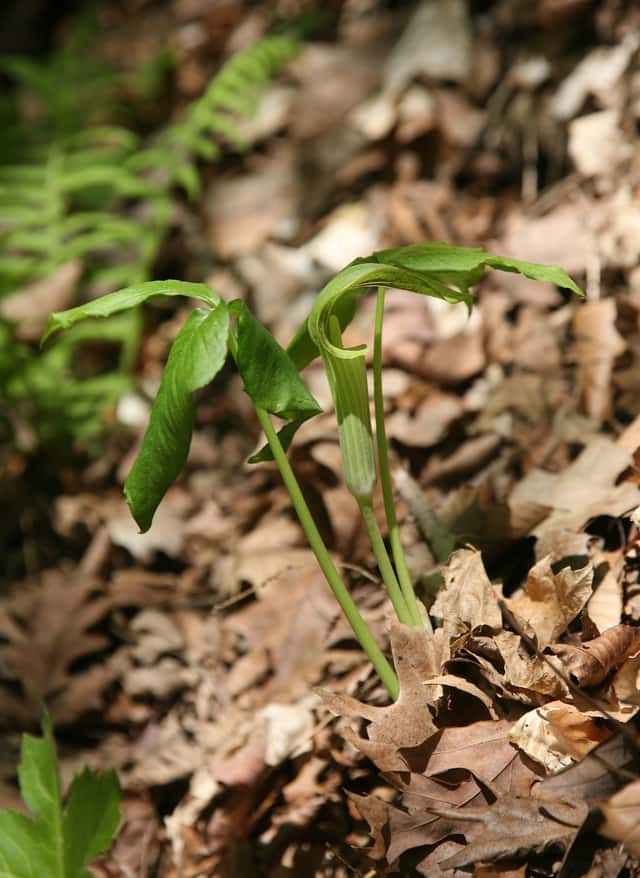
Arisaema symbolizes mystery, transformation, and the hidden beauty of woodland environments. The hooded spathe resembles a preacher standing in a pulpit, inspiring its most famous common name.
Fun Facts
The Arisaema genus contains about 150 species distributed mainly across Asia and North America
Some Arisaema species can change sex from year to year depending on the energy reserves stored in their tubers
The name Arisaema comes from Greek: 'aris' (a plant) and 'haima' (blood), referring to the red-spotted stems of some species
A. triphyllum was used medicinally by Native American peoples despite being toxic when raw
Frequently asked questions
Is Jack in the pulpit toxic to pets?
Why did my Arisaema disappear?
How often should I water Arisaema?
Can Arisaema be grown in containers?
Compare with similar plants
| Attribute | Difficulty | Light | Watering | Pet Safe |
|---|---|---|---|---|
| Dark Fieldcap | Medium | Low light | 2d | ⚠️ |
| Azalea | Medium | Partial shade | 3d | ⚠️ |
| Bougainvillea | Medium | Direct sun | 7d | ⚠️ |
| Wild Lettuce | Medium | Direct sun | 7d | ⚠️ |



