Fabaceae
Astragalus: Medicinal Uses & Care Tips
Astragalus
Astragalus requires full sun and well-draining, sandy-loam soil. It is drought-tolerant, and once established, its root system requires little watering. Overwatering and standing water cause root rot. It does not require fertilization; spring compost is sufficient. Primarily grown outdoors, it is not suitable for indoor cultivation.
Every 14 days
Bright indirect
-10° - 38°C
30% - 60%
Categories
What is Astragalus?
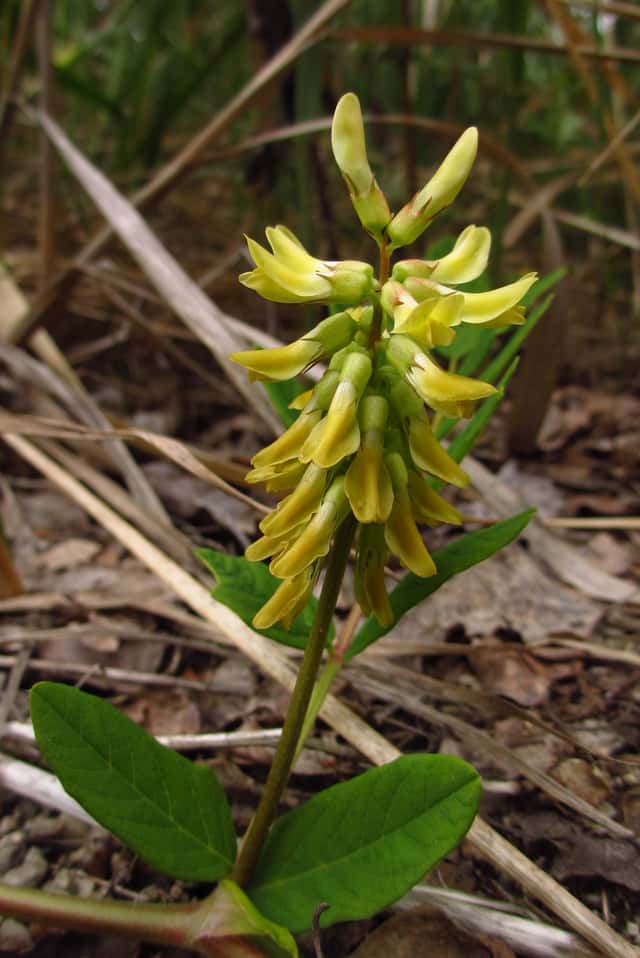
Astragalus (Astragalus) is a medium-care plant from the Fabaceae family. Astragalus is the largest genus in the Fabaceae (legume) family, with nearly 2900 species found in the Northern Hemisphere, Central Asia, China, and North America. Most species are perennial herbaceous plants or shrubs, characterized by compound, odd-pinnate leaves and distinctive pea-like flowers....
Astragalus grows up to 1.2m, spread of 90cm, watering every 14 days, -10°C – 38°C, 30–60% humidity. It is not suitable for indoor environments and not safe for pets.
Without precautions, ingestion can cause irritation in pets. Keep out of reach of cats and dogs.
How to Care for Astragalus?
TLDR: Astragalus needs Bright indirect, watering every 14 days, and temperatures between -10-38°C with 30-60% humidity.
How Often Should You Water Astragalus?
Water deeply, but only when the soil has completely dried out. Avoid constant moisture, as Astragalus is extremely susceptible to root rot. For established plants, watering every 1-2 weeks during dry periods is sufficient.
How Much Light Does Astragalus Need?
Full sun is optimal: at least 6-8 hours of direct sunlight daily. It can also tolerate partial shade, but root development and the content of medicinal compounds will be reduced. During hot summers, afternoon shade can protect it from heat stress.
What Is the Best Soil for Astragalus?
It prefers well-draining, sandy or sandy-loam soil with a neutral to slightly alkaline pH (6.5-7.5). Clayey, wet soil causes root rot. If necessary, it can be grown in raised beds or in soil amended with sand and compost.
Care Schedule
Fertilize
Every 90 days
What Is Astragalus and Where Does It Come From?
Astragalus is the largest genus in the Fabaceae (legume) family, with nearly 2900 species found in the Northern Hemisphere, Central Asia, China, and North America. Most species are perennial herbaceous plants or shrubs, characterized by compound, odd-pinnate leaves and distinctive pea-like flowers. The most medicinally important species is Astragalus membranaceus (Huang Qi), which has been used in traditional Chinese medicine for over 2000 years as an immune booster and adaptogen. However, some species within the genus (known as 'locoweed' species) contain swainsonine or organic nitro compounds, which can be toxic to animals and humans. The plant produces yellow, purple, or white pea-like flowers in spring and summer and requires moderate care.
How to Propagate Astragalus?
How Big Does Astragalus Grow?
TLDR: Astragalus can reach up to 1.2m tall with Slow growth rate.
Max height
1.2m
Spread
90cm
Growth rate
Slow
Foliage
Deciduous
Warning: Toxic Plant
This plant can be toxic if ingested. Keep out of reach of:
Plant Uses
Medicinal
Medicinal properties
Ornamental
Great for decoration
Medicinal Uses
- Immune system strengthening (Huang Qi, A. membranaceus) – adaptogen, against chronic fatigue, infections
- Qi-tonifying agent in traditional Chinese medicine: for treating spleen and lung Qi deficiency
- Antioxidant, hepatoprotective, diuretic, and blood sugar regulating effects in clinical studies
- Immunomodulatory effects of astragalosides and polysaccharides have been demonstrated
- CAUTION: not all species are medicinal – locoweeds are toxic!
Culinary Uses
- The root of A. membranaceus is added to soups, herbal teas, and broths in China and Korea
- Consumed as a dietary supplement in tincture, powder, or capsule form
- Leaves and young shoots can be consumed in smaller quantities for species-specific, edible varieties
Is your plant showing symptoms?
Click on the symptom to discover possible causes:
What Diseases Commonly Affect Astragalus?
TLDR: Astragalus is susceptible to 6 known diseases. Monitor regularly for early detection.
Root Rot
Root rot is a serious fungal disease that affects the root system of plants, causing them to decay and die. It is primarily caused by overwatering, poor drainage, or soil-borne fungi such as Pythium, Phytophthora, Rhizoctonia, and Fusarium. The disease thrives in waterlogged conditions where roots are deprived of oxygen, making them susceptible to fungal infection.
Fusarium Wilt
Fusarium wilt is a serious fungal disease caused by the soil-borne fungus Fusarium oxysporum. The fungus invades roots and blocks the water-conducting vessels (xylem) of the plant, causing progressive wilting and eventual death. Host-specific forms of the pathogen exist that attack different plant species.
Powdery Mildew
Powdery mildew is a common fungal disease caused by various fungi species including Erysiphe, Podosphaera, Oïdium, and Leveillula. It affects over 10,000 plant species worldwide. The disease thrives in warm, dry climates with high humidity and appears as a distinctive white powdery coating on plant surfaces.
Crown Rot
Crown rot is a serious fungal disease that attacks the crown (base) of the plant where the stem meets the soil. It is caused by various fungal pathogens including Phytophthora, Fusarium, and Rhizoctonia. The disease thrives in waterlogged conditions and can quickly spread to kill the entire plant if not addressed promptly.
Compare with similar plants
| Attribute | Difficulty | Light | Watering | Pet Safe |
|---|---|---|---|---|
| Dark Fieldcap | Medium | Low light | 2d | ⚠️ |
| Azalea | Medium | Partial shade | 3d | ⚠️ |
| Bougainvillea | Medium | Direct sun | 7d | ⚠️ |
| Wild Lettuce | Medium | Direct sun | 7d | ⚠️ |
Choose & Compare
Sources & References
- How to Grow Astragalus: Plant Care, Harvest & Uses
- Identifying Key Pathogens and Effective Control Agents for Astragalus membranaceus Root Rot
- Botany, phytochemistry, traditional uses and pharmacology of Astragalus membranaceus
- Astragali radix (Huangqi): a time-honored nourishing herbal medicine
- The Toxicology of the Astragalus genus - Poisonous Plants



