Cupressaceae
Atlantic White Cedar — Chamaecyparis thyoides
Chamaecyparis thyoides
Low-maintenance tree for wet, acidic sites. Needs full sun and consistently moist to wet, peaty-acidic soil. Rarely needs fertilizer. Annual light pruning optional. Highly cold-hardy down to zone 3.
Every 10 days
Bright indirect
-35° - 38°C
50% - 80%
Categories
What is Atlantic White Cedar?
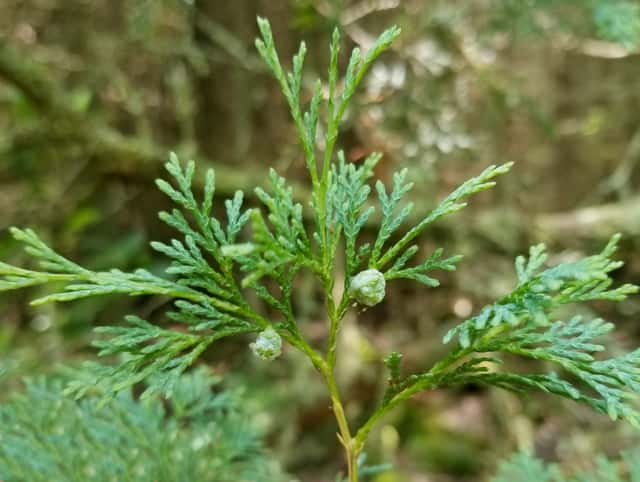
Atlantic White Cedar (Chamaecyparis thyoides) is a medium-care plant from the Cupressaceae family. Atlantic White Cedar is a slow-growing, evergreen conifer native to the coastal freshwater swamps and bogs of eastern North America, ranging from Maine to Florida. It forms a graceful, narrow columnar shape with soft, aromatic, blue-green scale-like foliage and fibrous reddish-brown bark.
Atlantic White Cedar grows up to 15.0m, spread of 450cm, watering every 10 days, -35°C – 38°C, 50–80% humidity. It is not suitable for indoor environments and safe for pets.
Unlike many popular species, Atlantic White Cedar is safe to keep around pets.
How to Care for Atlantic White Cedar?
TLDR: Atlantic White Cedar needs Bright indirect, watering every 10 days, and temperatures between -35-38°C with 50-80% humidity.
How Often Should You Water Atlantic White Cedar?
Water every 7-14 days in dry spells. Naturally suited to wet conditions — in boggy or rain garden settings it largely self-maintains. Avoid complete soil drought.
How Much Light Does Atlantic White Cedar Need?
Full sun preferred (6+ hours). Tolerates partial shade, especially when young.
What Is the Best Soil for Atlantic White Cedar?
Thrives in moist to wet, acidic, peaty soil (pH 4.5–6.0). Excellent for rain gardens, pond edges, and low-lying wet areas.
What Pot Should You Use for Atlantic White Cedar?
Best planted in ground in wet, acidic soil. Not suitable as a houseplant.
What Is Atlantic White Cedar and Where Does It Come From?
Atlantic White Cedar is a slow-growing, evergreen conifer native to the coastal freshwater swamps and bogs of eastern North America, ranging from Maine to Florida. It forms a graceful, narrow columnar shape with soft, aromatic, blue-green scale-like foliage and fibrous reddish-brown bark.
How Big Does Atlantic White Cedar Grow?
TLDR: Atlantic White Cedar can reach up to 15.0m tall with Slow growth rate.
Max height
15.0m
Spread
4.5m
Growth rate
Slow
Foliage
Evergreen
Plant Uses
Ornamental
Great for decoration
Medicinal
Medicinal properties
Medicinal Uses
- Indigenous peoples used leaf decoctions as herbal steam for headaches and backaches. Crushed leaf and bark poultices were applied topically for pain relief.
Is your plant showing symptoms?
Click on the symptom to discover possible causes:
What Diseases Commonly Affect Atlantic White Cedar?
TLDR: Atlantic White Cedar is susceptible to 5 known diseases. Monitor regularly for early detection.
Root Rot
Root rot is a serious fungal disease that affects the root system of plants, causing them to decay and die. It is primarily caused by overwatering, poor drainage, or soil-borne fungi such as Pythium, Phytophthora, Rhizoctonia, and Fusarium. The disease thrives in waterlogged conditions where roots are deprived of oxygen, making them susceptible to fungal infection.
Phytophthora Root Rot
Disease caused by fungus-like organisms (oomycetes) that live in soil and can survive for years. It affects roots, stem, and crown of plants, being especially severe in waterlogged or poorly drained soils. It is the second most common cause of root rot in trees and shrubs.
Caterpillars
Caterpillars are the larval stage of moths and butterflies that feed voraciously on plant foliage, stems, flowers, and fruits. Common species include cabbage loopers, tomato hornworms, armyworms, and cutworms. These pests can cause extensive damage by consuming large amounts of plant tissue in a short time. They vary in size from small (1/4 inch) to large (5 inches), with colors ranging from green to brown, often featuring stripes or spots. Caterpillars are highly mobile and can quickly spread throughout gardens, making them one of the most destructive common pests.
Scale Insects
Scale insects are small sap-sucking pests that appear as brown, shell-like bumps on plant stems and leaves. There are over 25 species, divided into armored (hard) and unarmored (soft) scales. They feed by piercing plant tissue and extracting sap, which weakens the plant and can lead to yellowing, stunted growth, and even death if left untreated. They also excrete honeydew, which attracts ants and promotes sooty mold growth.
Meaning & Symbolism
Symbol of resilience and longevity — thrives in challenging wetland environments where few conifers can survive.
Fun Facts
One of the few conifers naturally adapted to waterlogged, boggy soils.
Its wood is extremely rot-resistant and was historically used for boat building and fence posts.
Indigenous North Americans used its bark and foliage medicinally for centuries.
Trees can live for several hundred years in their natural swamp habitat.
Frequently asked questions
Can Atlantic White Cedar grow indoors?
How fast does it grow?
Does it tolerate flooding?
Compare with similar plants
| Attribute | Difficulty | Light | Watering | Pet Safe |
|---|---|---|---|---|
| Dark Fieldcap | Medium | Low light | 2d | ⚠️ |
| Azalea | Medium | Partial shade | 3d | ⚠️ |
| Bougainvillea | Medium | Direct sun | 7d | ⚠️ |
| Wild Lettuce | Medium | Direct sun | 7d | ⚠️ |



