Malpighiaceae
Barbados Cherry (Acerola): How to Grow & Care for Malpighia emarginata
Malpighia emarginata
Barbados cherry thrives in full sun with moderate, consistent watering and excellent soil drainage. Fertilize three times a year with a balanced fertilizer; light pruning after each harvest stimulates new fruiting wood. The plant is cold-sensitive and cannot tolerate frost below -1 °C (30 °F); grow outdoors in USDA zones 9-11 or bring containers indoors during cold spells.
Every 7 days
Direct sun
-1° - 38°C
50% - 80%
Categories
What is Barbados cherry?
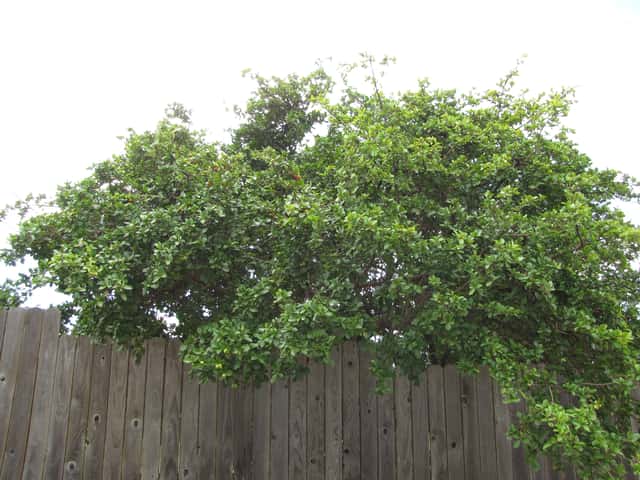
Barbados cherry (Malpighia emarginata) is a medium-care plant from the Malpighiaceae family. Malpighia emarginata, commonly known as Barbados cherry or acerola, is an evergreen tropical shrub or small tree native to the Lesser Antilles, Central America, and northern South America. Prized worldwide for its small red drupes containing extraordinary concentrations of vitamin C — roughly 1,677...
Barbados cherry grows up to 6.0m, spread of 500cm, watering every 7 days, -1°C – 38°C, 50–80% humidity. It is not suitable for indoor environments and safe for pets.
Unlike many popular species, Barbados cherry is safe to keep around pets.
How to Care for Barbados cherry?
TLDR: Barbados cherry needs Direct sun, watering every 7 days, and temperatures between -1-38°C with 50-80% humidity.
How Often Should You Water Barbados cherry?
Water when the top inch of soil feels dry. Established plants tolerate brief dry periods but produce more fruit with regular irrigation, especially in the dry season. Always ensure water drains freely to prevent root rot.
How Much Light Does Barbados cherry Need?
Full sun is essential — at least 6 to 8 hours of direct sunlight daily. Partial shade drastically reduces flowering and fruit set. Outdoors, choose the sunniest spot available.
What Is the Best Soil for Barbados cherry?
Prefers well-draining sandy or loamy soil with added organic matter. Target pH between 5.5 and 6.5 (slightly acidic). Avoid heavy clay. Mix in compost or pine bark at planting time to improve aeration and nutrient availability.
What Pot Should You Use for Barbados cherry?
Large terracotta or plastic containers (minimum 50L/13 gal) with ample drainage holes work well. Use a well-draining potting mix amended with perlite. Place in the sunniest position possible and fertilize regularly with slow-release granules.
Care Schedule
Fertilize
Every 30 days
Repot
Every 365 days
What Is Barbados cherry and Where Does It Come From?
Malpighia emarginata, commonly known as Barbados cherry or acerola, is an evergreen tropical shrub or small tree native to the Lesser Antilles, Central America, and northern South America. Prized worldwide for its small red drupes containing extraordinary concentrations of vitamin C — roughly 1,677 mg per 100 g, making it one of the richest natural sources on earth — the plant also bears delicate pink or lavender flowers multiple times a year, providing nearly year-round ornamental interest alongside its exceptional nutritional value.
How to Propagate Barbados cherry?
- 1 Take semi-hardwood cuttings 15-20 cm long in spring or summer
- 2 Remove lower leaves, retaining 2-3 leaves at the tip
- 3 Dip the cut end in rooting hormone powder
- 4 Plant in a 50/50 mix of coarse sand and perlite, kept moist
- 5 Place in a warm, semi-shaded spot with high humidity for 4-6 weeks
- 6 Transplant once roots are 2-3 cm long
- 1 Extract seeds from ripe fruit and wash thoroughly
- 2 Sow immediately as viability drops quickly after harvest
- 3 Use light moist seed-starting mix, cover seeds with 1 cm of medium
- 4 Germination takes 2-4 weeks at 24-28 degrees C
- 5 Transplant seedlings once they reach 10-15 cm tall
How Big Does Barbados cherry Grow?
TLDR: Barbados cherry can reach up to 6.0m tall with Medium growth rate.
Max height
6.0m
Spread
5.0m
Growth rate
Medium
Foliage
Evergreen
Plant Uses
Edible
Can be consumed
Medicinal
Medicinal properties
Ornamental
Great for decoration
Medicinal Uses
- Extremely high in vitamin C — one of the richest natural sources in the plant kingdom, used traditionally to boost immunity and fight colds
- Rich in carotenoids, anthocyanins, and flavonoids with antioxidant and anti-inflammatory properties
- Used in folk medicine across Latin America and the Caribbean for respiratory infections and as a general tonic
- Acerola extract is widely used in commercial vitamin C supplements, multivitamins, and natural cosmetics
Culinary Uses
- Eaten fresh off the plant despite their tart flavor
- Pressed into juices, nectars, smoothies, and functional health drinks
- Made into jams, jellies, sorbets, ice creams, and tropical desserts
- Freeze-dried and sold as a vitamin C powder supplement
- Used in tropical sauces, syrups, and chutneys
Is your plant showing symptoms?
Click on the symptom to discover possible causes:
What Diseases Commonly Affect Barbados cherry?
TLDR: Barbados cherry is susceptible to 11 known diseases. Monitor regularly for early detection.
Root-Knot Nematodes
Root-knot nematodes (Meloidogyne species) are microscopic roundworms that parasitize plant roots, causing characteristic galls or knots. These soil-borne pests are among the most economically damaging plant pathogens worldwide, affecting a wide range of ornamental and edible plants. The nematodes inject enzymes into root cells, causing abnormal swelling and disrupting water and nutrient uptake.
Anthracnose
Anthracnose is a fungal disease caused by fungi in the genus Colletotrichum that affects many plants, including vegetables, fruits, and trees. The disease thrives in cool, wet conditions, causing dark, sunken lesions on leaves, stems, flowers, and fruits.
Leaf Spot
Leaf spot is a common fungal disease caused by various pathogens including Alternaria, Ascochyta, Colletotrichum, Septoria, and Venturia. It primarily affects leaves, causing discolored spots that can lead to premature leaf drop if left untreated.
Cercospora Leaf Spot
Cercospora leaf spot is a common fungal disease caused by Cercospora species that affects many plant types, particularly beets, roses, and leafy vegetables. The disease thrives in warm, humid conditions and can cause significant defoliation, reducing plant vigor and yield. It spreads rapidly through water splash, wind, and contaminated tools.
Meaning & Symbolism
In Caribbean and tropical cultures, the Barbados cherry symbolizes abundance, health, and the vitality of tropical life. Its exceptional nutritional power has earned it a reputation as a natural superfruit and emblem of wellness.
Fun Facts
A single Barbados cherry can contain up to 40 times more vitamin C than an orange — one fruit often exceeds your entire recommended daily intake
In favorable tropical climates the plant can flower and fruit up to three times per year, providing an almost continuous harvest
Brazil is the world's largest commercial producer of acerola, exporting freeze-dried powder used in vitamin C supplements sold around the globe
Frequently asked questions
How often should I water my Barbados cherry tree?
Can Barbados cherry grow in a pot?
How does acerola compare to oranges in vitamin C?
Compare with similar plants
| Attribute | Difficulty | Light | Watering | Pet Safe |
|---|---|---|---|---|
| Azalea | Medium | Partial shade | 3d | ⚠️ |
| Wild Lettuce | Medium | Direct sun | 7d | ⚠️ |
| Cape Primrose | Medium | Partial shade | 7d | ✓ |
| Honey Locust | Medium | Direct sun | 14d | ✓ |