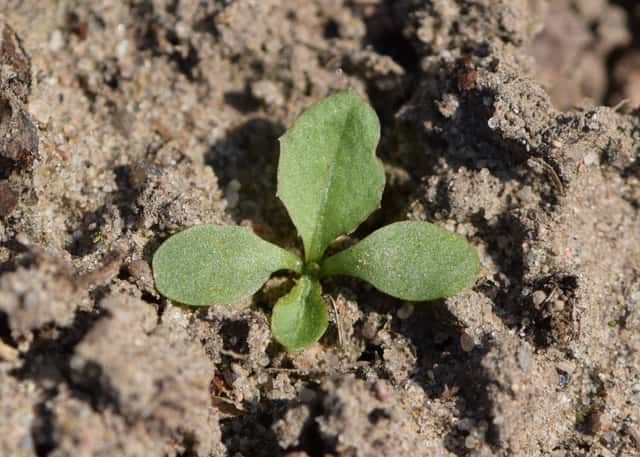
Asteraceae
Autumn Hawkbit: Ground Cover Plant
Scorzoneroides autumnalis
Autumn Hawkbit is an extremely hardy and low-maintenance wildflower. It thrives best in full sun and well-draining, lean soil. Established plants are drought-tolerant and require minimal watering. Avoid waterlogged soil, as this promotes crown rot and weakens flowering. Suitable for naturalized gardens, wildflower meadows, and roadsides.
Every 9 days
Direct sun
-20° - 30°C
30% - 70%
Categories
What is Autumn Hawkbit?
Autumn Hawkbit (Scorzoneroides autumnalis) is a easy-care plant from the Asteraceae family. Autumn Hawkbit (Scorzoneroides autumnalis) is a perennial herb in the daisy family (Asteraceae) that resembles a dandelion but has branched stems with multiple flower heads. It forms a flat rosette of narrow, toothed leaves at ground level and sends up smooth, wiry flower stalks up to 50 cm tall. Th...
Autumn Hawkbit grows up to 50cm, spread of 40cm, watering every 9 days, -20°C – 30°C, 30–70% humidity. It is not suitable for indoor environments and safe for pets.
Unlike many tropical plants, Autumn Hawkbit tolerates watering mistakes. Best for beginners. Unlike many popular species, Autumn Hawkbit is safe to keep around pets.
How to Care for Autumn Hawkbit?
TLDR: Autumn Hawkbit needs Direct sun, watering every 9 days, and temperatures between -20-30°C with 30-70% humidity.
How Often Should You Water Autumn Hawkbit?
Water Autumn Hawkbit sparingly — established plants easily survive drought. Water only during prolonged dry spells (every 9–12 days), and allow the soil surface to dry out between waterings. Too much water leads to yellow leaves and root rot.
How Much Light Does Autumn Hawkbit Need?
Autumn Hawkbit requires full sun (at least 6 hours of direct sunlight per day) for optimal flowering. In partial shade, flowering is significantly reduced. South or west-facing locations are ideal.
What Is the Best Soil for Autumn Hawkbit?
The plant thrives in lean, well-draining soil — sand, loam, or chalky soil all work well. Rich, moist soil promotes leaf growth at the expense of flowers and increases the risk of diseases. A pH of 5.5–7.5 is acceptable. Avoid compacted or waterlogged soil.
What Pot Should You Use for Autumn Hawkbit?
Autumn Hawkbit is primarily an outdoor plant and is not suitable for indoor cultivation. If grown in a pot, choose a deep terracotta pot with excellent drainage holes. Use a lean, sandy soil mix and place the pot on a sunny patio or balcony.
Care Schedule
Fertilize
Every 90 days
What Is Autumn Hawkbit and Where Does It Come From?
Autumn Hawkbit (Scorzoneroides autumnalis) is a perennial herb in the daisy family (Asteraceae) that resembles a dandelion but has branched stems with multiple flower heads. It forms a flat rosette of narrow, toothed leaves at ground level and sends up smooth, wiry flower stalks up to 50 cm tall. The bright yellow flower heads, up to 3.5 cm wide with reddish stripes on the outer ray florets, bloom from late summer to autumn and are an important nectar source for bees and butterflies when most other flowers have faded. The plant is widespread in Europe and Asia and thrives in meadows, roadsides, and naturalized lawns.
How to Propagate Autumn Hawkbit?
Seed Sowing
- 1 Collect mature seeds in autumn or purchase seeds from a specialized supplier
- 2 Sow seeds directly outdoors in spring or autumn in well-draining soil
- 3 Lightly press seeds onto the soil surface — they require light to germinate
- 4 Keep lightly moist for 2–3 weeks until germination (14–21 days at 15–20°C)
- 5 Thin seedlings to 20–30 cm spacing
Division
- 1 Divide established clumps in spring when new growth begins
- 2 Dig up the clump and carefully separate the rosettes
- 3 Replant the separated rosettes in a new location with well-draining soil
- 4 Water thoroughly after planting and keep shaded for 1–2 weeks
How Big Does Autumn Hawkbit Grow?
TLDR: Autumn Hawkbit can reach up to 50cm tall with Medium growth rate.
Max height
50cm
Spread
40cm
Growth rate
Medium
Foliage
Deciduous
Plant Uses
Ornamental
Great for decoration
Edible
Can be consumed
Ground Cover
Soil coverage
Culinary Uses
- Young leaves can be eaten raw in salads — slightly bitter in taste, similar to radicchio
- Leaves can be blanched and used as a spinach substitute in cooked dishes
Is your plant showing symptoms?
Click on the symptom to discover possible causes:
What Diseases Commonly Affect Autumn Hawkbit?
TLDR: Autumn Hawkbit is susceptible to 3 known diseases. Monitor regularly for early detection.
Rust
Rust is a common fungal disease caused by fungi in the order Pucciniales that affects a wide variety of plants. The disease gets its name from the characteristic orange, yellow, or reddish-brown pustules that appear on leaves, resembling metal rust. This obligate fungal parasite requires living plants to survive and can cause significant economic losses in agricultural crops.
Root Rot
Root rot is a serious fungal disease that affects the root system of plants, causing them to decay and die. It is primarily caused by overwatering, poor drainage, or soil-borne fungi such as Pythium, Phytophthora, Rhizoctonia, and Fusarium. The disease thrives in waterlogged conditions where roots are deprived of oxygen, making them susceptible to fungal infection.
Aphids
Aphids are small, soft-bodied, pear-shaped insects (1/16 to 1/8 inch long) that feed by sucking nutrient-rich sap from plants. They reproduce rapidly and can quickly weaken plants, causing distorted growth and transmitting plant viruses. Aphids come in various colors including green, black, red, yellow, brown, and gray. They secrete honeydew, a sticky substance that attracts ants and encourages sooty mold growth.
Compare with similar plants
| Attribute | Difficulty | Light | Watering | Pet Safe |
|---|---|---|---|---|
| Field Maple | Easy | Bright indirect | 14d | ✓ |
| Silver Birch | Easy | Direct sun | 14d | ✓ |
| Cushion Bush | Easy | Direct sun | 14d | ✓ |
| Wild Lettuce | Medium | Direct sun | 7d | ⚠️ |





