Strelitziaceae
Bird of Paradise: Air Purifying Plant
Strelitzia reginae
Bird of Paradise thrives in bright, indirect to direct light and prefers weekly watering during growing season, allowing the top 2 inches of soil to dry between waterings. It enjoys humidity levels of 60-70% and temperatures between 18-24°C. This slow-growing plant may take 3-5 years to mature and produce flowers.
Every 7 days
Bright indirect
13° - 32°C
60% - 70%
Categories
What is Bird of Paradise?
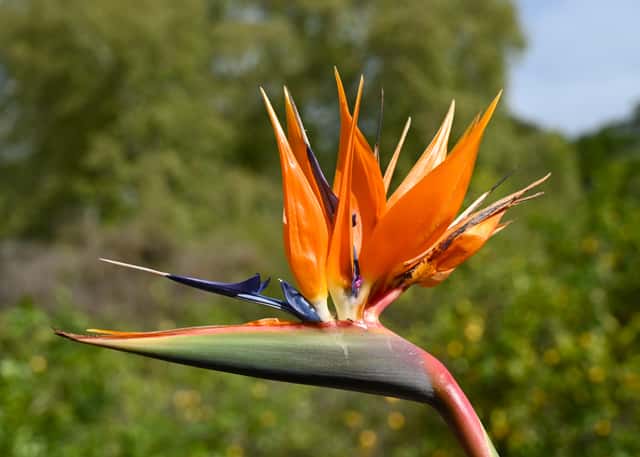
Bird of Paradise (Strelitzia reginae) is a medium-care plant from the Strelitziaceae family. Strelitzia reginae, commonly known as Bird of Paradise or Crane Flower, is a striking tropical plant native to South Africa. Famous for its spectacular orange and blue flowers that resemble an exotic bird in flight, it has become the official flower of the City of Los Angeles. This evergreen perenni...
Bird of Paradise grows up to 1.8m, spread of 120cm, watering every 7 days, 13°C – 32°C, 60–70% humidity. It is suitable for indoor environments and not safe for pets.
Without precautions, ingestion can cause irritation in pets. Keep out of reach of cats and dogs. Without adequate drainage, root rot can develop within 14 days.
How to Care for Bird of Paradise?
TLDR: Bird of Paradise needs Bright indirect, watering every 7 days, and temperatures between 13-32°C with 60-70% humidity.
How Often Should You Water Bird of Paradise?
Water once a week during spring and summer, reducing to every two weeks in winter. Allow the top 2 inches of soil to dry between waterings. Ensure proper drainage to prevent root rot as this plant has fleshy roots prone to rot in excess moisture.
How Much Light Does Bird of Paradise Need?
Provide bright, indirect light with some direct morning or evening sun. Avoid harsh afternoon sun which can burn the large leaves. At least 3-4 hours of sunlight daily is ideal for flowering.
What Is the Best Soil for Bird of Paradise?
Use well-draining, fertile loamy soil rich in organic matter. Sandy or loamy soils work best. Maintain a slightly acidic to neutral pH (6.0-7.0).
What Pot Should You Use for Bird of Paradise?
Use a heavy pot to prevent tipping as the plant becomes top-heavy. Terracotta or ceramic pots with drainage holes work well. The plant flowers best when slightly root-bound.
Care Schedule
Fertilize
Every 14 days
Misting
Every 7 days
Rotate
Every 14 days
Repot
Every 730 days
What Is Bird of Paradise and Where Does It Come From?
Strelitzia reginae, commonly known as Bird of Paradise or Crane Flower, is a striking tropical plant native to South Africa. Famous for its spectacular orange and blue flowers that resemble an exotic bird in flight, it has become the official flower of the City of Los Angeles. This evergreen perennial forms clumps of banana-like grey-green leaves and produces long-lasting cut flowers that can survive up to 2 weeks in a vase.
How to Propagate Bird of Paradise?
Division
Best done in spring. Each division should have at least 3 fans of leaves.
- 1 Wait until the plant is at least 3 years old
- 2 Carefully remove the plant from its pot
- 3 Divide the rhizome ensuring each section has roots and leaves
- 4 Plant divisions in fresh, well-draining soil
- 5 Keep soil moist but not waterlogged until established
Materials needed:
Seeds
Seeds have low germination rates. Plants grown from seed take 5-7 years to flower.
- 1 Soak seeds in warm water for 24-48 hours
- 2 Scarify the hard seed coat with sandpaper
- 3 Plant 1 inch deep in moist seed-starting mix
- 4 Keep warm (25-30°C) and maintain humidity
- 5 Germination takes 1-3 months
Materials needed:
How Big Does Bird of Paradise Grow?
TLDR: Bird of Paradise can reach up to 1.8m tall with Slow growth rate.
Max height
1.8m
Spread
1.2m
Growth rate
Slow
Foliage
Evergreen
Warning: Toxic Plant
This plant can be toxic if ingested. Keep out of reach of:
Plant Uses
Ornamental
Great for decoration
Air Purifying
Improves air quality
Is your plant showing symptoms?
Click on the symptom to discover possible causes:
What Diseases Commonly Affect Bird of Paradise?
TLDR: Bird of Paradise is susceptible to 25 known diseases. Monitor regularly for early detection.
Scale Insects
Scale insects are small sap-sucking pests that appear as brown, shell-like bumps on plant stems and leaves. There are over 25 species, divided into armored (hard) and unarmored (soft) scales. They feed by piercing plant tissue and extracting sap, which weakens the plant and can lead to yellowing, stunted growth, and even death if left untreated. They also excrete honeydew, which attracts ants and promotes sooty mold growth.
Mealybugs
Mealybugs are small, soft-bodied insects covered with a white, waxy, cottony material. They are common pests of houseplants and outdoor plants in mild climates. These sap-sucking insects feed on plant tissue, causing damage, stunted growth, and can lead to plant death if left untreated. They produce sticky honeydew which attracts sooty mold.
Spider Mites
Spider mites are tiny arachnids (less than 1/20 inch long) related to spiders and ticks that feed on plant sap. They thrive in hot, dry conditions and can cause significant damage to ornamental and vegetable plants. During severe infestations, crop losses can reach 14% or higher as these pests disrupt vital plant processes including photosynthesis, carbon dioxide absorption, and transpiration.
Aphids
Aphids are small, soft-bodied, pear-shaped insects (1/16 to 1/8 inch long) that feed by sucking nutrient-rich sap from plants. They reproduce rapidly and can quickly weaken plants, causing distorted growth and transmitting plant viruses. Aphids come in various colors including green, black, red, yellow, brown, and gray. They secrete honeydew, a sticky substance that attracts ants and encourages sooty mold growth.
Meaning & Symbolism
Symbolizes freedom, beauty, paradise, and joy. It is the official flower of Los Angeles and appears on the South African 50-cent coin.
Compare with similar plants
| Attribute | Difficulty | Light | Watering | Pet Safe |
|---|---|---|---|---|
| Dark Fieldcap | Medium | Low light | 2d | ⚠️ |
| Azalea | Medium | Partial shade | 3d | ⚠️ |
| Bougainvillea | Medium | Direct sun | 7d | ⚠️ |
| Wild Lettuce | Medium | Direct sun | 7d | ⚠️ |



