Ericaceae
Alabama azalea: Complete Care Guide
Rhododendron alabamense
Alabama azalea is a low-maintenance deciduous shrub that thrives in part shade and moist, acidic, well-drained soil. Mulch annually with leaf mold to retain moisture and keep roots cool. Remove spent flowers to encourage new growth. Once established, it tolerates heat, humidity, and some drought. Protect from strong winter winds.
Every 7 days
Partial shade
7° - 30°C
40% - 70%
Categories
What is Alabama azalea?
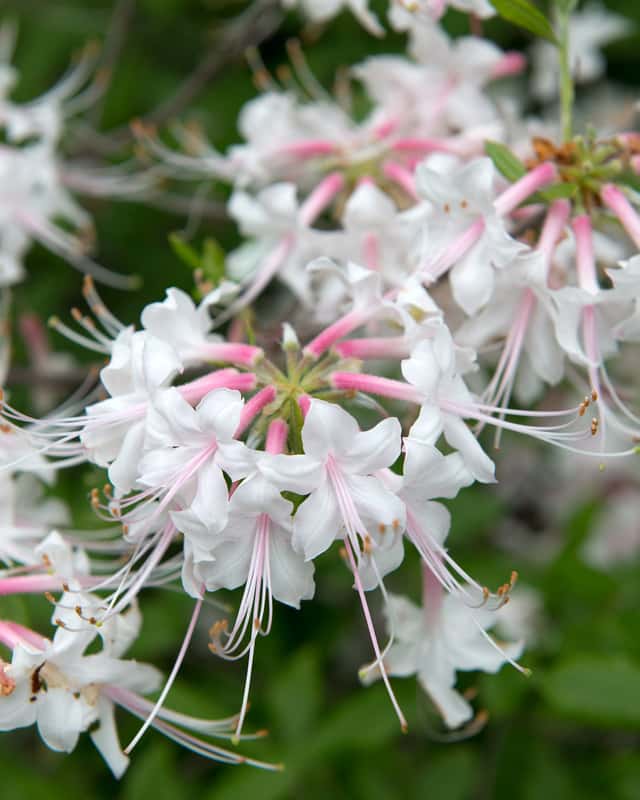
Alabama azalea (Rhododendron alabamense) is a medium-care plant from the Ericaceae family. Rhododendron alabamense is a refined, rounded deciduous azalea native to the southeastern United States. It produces lemon-scented white flowers with a prominent yellow blotch on the upper petal, arranged in clusters of 6–10 blooms. Flowers emerge before or alongside the foliage in mid to late sprin...
Alabama azalea grows up to 1.8m, spread of 183cm, watering every 7 days, 7°C – 30°C, 40–70% humidity. It is not suitable for indoor environments and not safe for pets.
Without precautions, ingestion can cause irritation in pets. Keep out of reach of cats and dogs.
How to Care for Alabama azalea?
TLDR: Alabama azalea needs Partial shade, watering every 7 days, and temperatures between 7-30°C with 40-70% humidity.
How Often Should You Water Alabama azalea?
Water regularly to maintain average moisture, especially during the first growing season. Avoid waterlogged or poorly drained soils. Mulch helps retain soil moisture during dry summers.
How Much Light Does Alabama azalea Need?
Prefers part shade or dappled light. Protect from strong afternoon sun and heavy winds, which can scorch the foliage and damage flower buds.
What Is the Best Soil for Alabama azalea?
Plant in moist, acidic (pH 4.5–6.0), humus-rich, well-drained soil. Plant shallowly — the crown should sit at or just above the soil line. Amend clay soils with organic matter to improve drainage.
What Pot Should You Use for Alabama azalea?
Best planted in the ground in a naturalistic or woodland garden setting. If grown in a container, choose a wide, shallow terracotta or glazed ceramic pot with excellent drainage. Use an acidic potting mix formulated for azaleas and rhododendrons.
What Is Alabama azalea and Where Does It Come From?
Rhododendron alabamense is a refined, rounded deciduous azalea native to the southeastern United States. It produces lemon-scented white flowers with a prominent yellow blotch on the upper petal, arranged in clusters of 6–10 blooms. Flowers emerge before or alongside the foliage in mid to late spring, creating a striking display against simple, dark green deciduous leaves. The plant naturally occurs in hardwood forests, slopes, and ridges, spreading via underground runners to form loose colonies. It grows 4–6 feet tall and wide, making it an excellent choice for naturalistic woodland gardens. All parts of the plant are toxic if ingested.
How Big Does Alabama azalea Grow?
TLDR: Alabama azalea can reach up to 1.8m tall with Medium growth rate.
Max height
1.8m
Spread
1.8m
Growth rate
Medium
Foliage
Deciduous
Warning: Toxic Plant
This plant can be toxic if ingested. Keep out of reach of:
Plant Uses
Ornamental
Great for decoration
Is your plant showing symptoms?
Click on the symptom to discover possible causes:
What Diseases Commonly Affect Alabama azalea?
TLDR: Alabama azalea is susceptible to 9 known diseases. Monitor regularly for early detection.
Aphids
Aphids are small, soft-bodied, pear-shaped insects (1/16 to 1/8 inch long) that feed by sucking nutrient-rich sap from plants. They reproduce rapidly and can quickly weaken plants, causing distorted growth and transmitting plant viruses. Aphids come in various colors including green, black, red, yellow, brown, and gray. They secrete honeydew, a sticky substance that attracts ants and encourages sooty mold growth.
Powdery Mildew
Powdery mildew is a common fungal disease caused by various fungi species including Erysiphe, Podosphaera, Oïdium, and Leveillula. It affects over 10,000 plant species worldwide. The disease thrives in warm, dry climates with high humidity and appears as a distinctive white powdery coating on plant surfaces.
Root Rot
Root rot is a serious fungal disease that affects the root system of plants, causing them to decay and die. It is primarily caused by overwatering, poor drainage, or soil-borne fungi such as Pythium, Phytophthora, Rhizoctonia, and Fusarium. The disease thrives in waterlogged conditions where roots are deprived of oxygen, making them susceptible to fungal infection.
Phytophthora Root Rot
Disease caused by fungus-like organisms (oomycetes) that live in soil and can survive for years. It affects roots, stem, and crown of plants, being especially severe in waterlogged or poorly drained soils. It is the second most common cause of root rot in trees and shrubs.
Meaning & Symbolism
In the language of flowers, azaleas symbolize fragility, beauty, and the reminder to take care of oneself. White azaleas in particular represent purity, innocence, and new beginnings, making them popular in spring garden displays and memorial plantings.
Compare with similar plants
| Attribute | Difficulty | Light | Watering | Pet Safe |
|---|---|---|---|---|
| Azalea | Medium | Partial shade | 3d | ⚠️ |
| Wild Lettuce | Medium | Direct sun | 7d | ⚠️ |
| Cape Primrose | Medium | Partial shade | 7d | ✓ |
| Honey Locust | Medium | Direct sun | 14d | ✓ |