Ericaceae
Hillside Blueberry (Vaccinium pallidum): Native Edible Shrub Care Guide
Vaccinium pallidum
Vaccinium pallidum is a low-maintenance native shrub best suited for outdoor acidic, well-drained soils in full sun to partial shade. Water moderately, allowing the soil to partially dry between waterings. It is highly drought-tolerant once established. Prune lightly in late winter to maintain shape. Fertilize with an acidic fertilizer in spring if desired, though the plant thrives with minimal inputs. It is not suitable for indoor growing.
Every 10 days
Bright indirect
-26° - 35°C
40% - 70%
Categories
What is Hillside Blueberry?
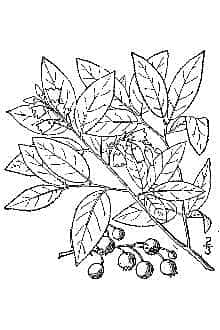
Hillside Blueberry (Vaccinium pallidum) is a easy-care plant from the Ericaceae family. Vaccinium pallidum, commonly called the Hillside Blueberry or Blue Ridge Blueberry, is a native deciduous shrub of eastern North America belonging to the Ericaceae family. Growing 2–3 feet tall and wide, it produces delicate white bell-shaped flowers in spring followed by sweet, edible blue-black be...
Hillside Blueberry grows up to 91cm, spread of 91cm, watering every 10 days, -26°C – 35°C, 40–70% humidity. It is not suitable for indoor environments and safe for pets.
Unlike many tropical plants, Hillside Blueberry tolerates watering mistakes. Best for beginners. Unlike many popular species, Hillside Blueberry is safe to keep around pets.
How to Care for Hillside Blueberry?
TLDR: Hillside Blueberry needs Bright indirect, watering every 10 days, and temperatures between -26-35°C with 40-70% humidity.
How Often Should You Water Hillside Blueberry?
Water every 7–14 days, allowing the top inch of soil to dry out between sessions. Once fully established (after 1–2 growing seasons), Hillside Blueberry is notably drought-tolerant and rarely needs supplemental irrigation except during prolonged dry spells. Avoid waterlogging at all costs, as this can rapidly cause root rot.
How Much Light Does Hillside Blueberry Need?
Plant in full sun (at least 6 hours of direct sunlight daily) for maximum berry production and the best fall color. In hotter climates, light afternoon shade is acceptable. Avoid deep shade, which will reduce flowering, fruiting, and the vigor of the plant.
What Is the Best Soil for Hillside Blueberry?
Provide acidic, well-draining soil with a pH between 4.5 and 5.5. Sandy loam amended with pine bark or peat moss works excellently. Never plant in alkaline or clay-heavy soils without amendment. A 2–3 inch layer of pine straw or bark mulch helps maintain soil acidity, retains moisture, and suppresses weeds.
What Pot Should You Use for Hillside Blueberry?
As an outdoor native shrub, Vaccinium pallidum does not require a traditional pot. For patio or container growing, choose a large (at least 15-gallon) pot with excellent drainage. Use a specialized blueberry or azalea potting mix to maintain the required acidic pH. Terracotta or unglazed ceramic pots can help regulate moisture and prevent waterlogging.
What Is Hillside Blueberry and Where Does It Come From?
Vaccinium pallidum, commonly called the Hillside Blueberry or Blue Ridge Blueberry, is a native deciduous shrub of eastern North America belonging to the Ericaceae family. Growing 2–3 feet tall and wide, it produces delicate white bell-shaped flowers in spring followed by sweet, edible blue-black berries in summer. The plant is celebrated for its brilliant scarlet fall foliage and its exceptional value to native wildlife, serving as a host plant for the Brown Elfin butterfly and a critical food source for birds, small mammals, and pollinators. It thrives in acidic, well-drained soils across USDA hardiness zones 5a–9b, making it an ideal choice for native gardens, edible landscapes, and naturalized woodland settings.
How to Propagate Hillside Blueberry?
Seed Propagation
Seed propagation is slow and difficult. Purchasing native nursery-grown plants or using cuttings is strongly preferred for reliable results.
- 1 Collect ripe berries in summer and extract the seeds by mashing and rinsing.
- 2 Cold-stratify seeds in moist peat moss in the refrigerator for 60–90 days.
- 3 Sow in acidic, well-draining seed-starting mix under grow lights.
- 4 Keep soil consistently moist at 18–21°C until germination.
- 5 Transplant seedlings outdoors after the last frost once well-established.
Materials needed:
Semi-Hardwood Cutting
Maintain high humidity around cuttings using a plastic dome or humidity tent. Bottom heat (21°C) can significantly improve rooting success.
- 1 Take 4–6 inch semi-hardwood cuttings in late summer from the current season's growth.
- 2 Remove all leaves except the top 2–3 pairs.
- 3 Dip the cut end in rooting hormone powder.
- 4 Insert into a mix of perlite and acidic peat moss in individual pots.
- 5 Keep cuttings in a humid environment at 18–22°C out of direct sun until rooted.
Materials needed:
How Big Does Hillside Blueberry Grow?
TLDR: Hillside Blueberry can reach up to 91cm tall with Medium growth rate.
Max height
91cm
Spread
91cm
Growth rate
Medium
Foliage
Deciduous
Plant Uses
Edible
Can be consumed
Ornamental
Great for decoration
Ground Cover
Soil coverage
Medicinal Uses
- Berries have been used traditionally in folk remedies as a mild astringent for digestive complaints
Culinary Uses
- Fresh berries eaten out of hand or with cream
- Blueberry jam and preserves
- Baked goods such as muffins, pies, and cobblers
- Smoothies, pancakes, and fruit salads
Is your plant showing symptoms?
Click on the symptom to discover possible causes:
What Diseases Commonly Affect Hillside Blueberry?
TLDR: Hillside Blueberry is susceptible to 5 known diseases. Monitor regularly for early detection.
Root Rot
Root rot is a serious fungal disease that affects the root system of plants, causing them to decay and die. It is primarily caused by overwatering, poor drainage, or soil-borne fungi such as Pythium, Phytophthora, Rhizoctonia, and Fusarium. The disease thrives in waterlogged conditions where roots are deprived of oxygen, making them susceptible to fungal infection.
Powdery Mildew
Powdery mildew is a common fungal disease caused by various fungi species including Erysiphe, Podosphaera, Oïdium, and Leveillula. It affects over 10,000 plant species worldwide. The disease thrives in warm, dry climates with high humidity and appears as a distinctive white powdery coating on plant surfaces.
Gray Mold (Botrytis Blight)
Gray mold, caused by the fungus Botrytis cinerea, is one of the most common fungal diseases in plants. It affects over 200 plant species, including ornamentals, vegetables, fruits, and houseplants. The disease thrives in cool, humid conditions with poor air circulation, causing grayish spots and soft rot on infected tissues.
Aphids
Aphids are small, soft-bodied, pear-shaped insects (1/16 to 1/8 inch long) that feed by sucking nutrient-rich sap from plants. They reproduce rapidly and can quickly weaken plants, causing distorted growth and transmitting plant viruses. Aphids come in various colors including green, black, red, yellow, brown, and gray. They secrete honeydew, a sticky substance that attracts ants and encourages sooty mold growth.
Meaning & Symbolism
In North American folk tradition, blueberries symbolize resilience, abundance, and a deep connection to the land. The Hillside Blueberry, as a wild native species, evokes themes of self-sufficiency, the richness of the natural world, and the rewards of working in harmony with native ecosystems.
Fun Facts
Vaccinium pallidum is the host plant for the Brown Elfin butterfly (Callophrys augustinus), making it a prized plant for butterfly gardens.
The berries are a critical late-spring food source for over 100 species of birds, including thrushes, waxwings, and wild turkeys.
Fall foliage turns a spectacular scarlet red, providing multi-season ornamental interest.
This plant was formerly classified as Vaccinium vacillans before being reclassified as V. pallidum.
Frequently asked questions
What soil pH does Hillside Blueberry need?
Are Hillside Blueberries edible?
How much sun does Hillside Blueberry need?
Is Hillside Blueberry toxic to pets or children?
How often should I water my Hillside Blueberry?
Compare with similar plants
| Attribute | Difficulty | Light | Watering | Pet Safe |
|---|---|---|---|---|
| Azalea | Medium | Partial shade | 3d | ⚠️ |
| Field Maple | Easy | Bright indirect | 14d | ✓ |
| Silver Birch | Easy | Direct sun | 14d | ✓ |
| Cushion Bush | Easy | Direct sun | 14d | ✓ |





