Malvaceae
Okra: Edible Plant
Abelmoschus esculentus
Grow okra in a full sun location with fertile, well-drained soil. Water deeply every 2-3 days, avoiding waterlogging. Maintain temperatures above 15°C (59°F), ideally between 25°C and 35°C (77°F-95°F), and fertilize every two weeks during the growth and fruiting period.
Every 3 days
Direct sun
15° - 35°C
40% - 80%
Categories
What is Okra?
Okra (Abelmoschus esculentus) is a easy-care plant from the Malvaceae family. Okra (Abelmoschus esculentus) is an annual vegetable in the Malvaceae family, native to tropical regions of Africa. It is cultivated for its green, elongated, and mucilaginous fruits, which are harvested while still immature for culinary use. It is a robust, fast-growing plant that requires full sun...
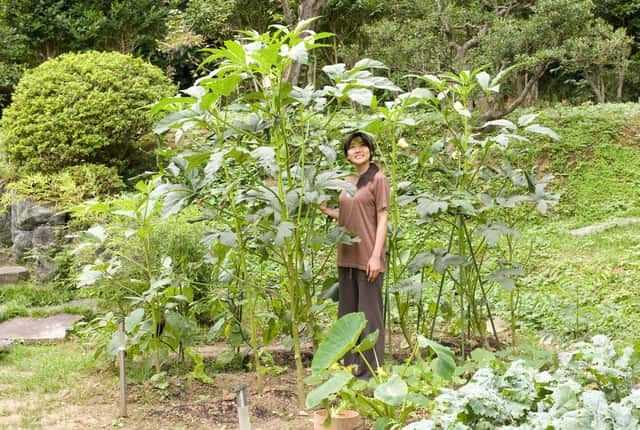
Okra grows up to 2.0m, spread of 90cm, watering every 3 days, 15°C – 35°C, 40–80% humidity. It is not suitable for indoor environments and safe for pets.
Unlike many tropical plants, Okra tolerates watering mistakes. Best for beginners. Unlike many popular species, Okra is safe to keep around pets.
How to Care for Okra?
TLDR: Okra needs Direct sun, watering every 3 days, and temperatures between 15-35°C with 40-80% humidity.
How Often Should You Water Okra?
Water deeply every 2-3 days, allowing the top layer of soil to dry out between waterings. Avoid waterlogged soil, as okra is sensitive to excess water and root rot.
How Much Light Does Okra Need?
Needs at least 6 hours of direct sunlight per day. In low-light environments, growth and fruit production are significantly hindered.
What Is the Best Soil for Okra?
Prefers fertile soil, rich in organic matter, deep and well-drained, with a pH between 6.0 and 7.0. Sandy-loam soils work well, provided they are permeable.
What Pot Should You Use for Okra?
If grown in a pot, choose a large and deep container (minimum 16 inches deep and 8-10 gallons), with good drainage, as okra develops a deep taproot.
Care Schedule
Fertilize
Every 14 days
What Is Okra and Where Does It Come From?
Okra (Abelmoschus esculentus) is an annual vegetable in the Malvaceae family, native to tropical regions of Africa. It is cultivated for its green, elongated, and mucilaginous fruits, which are harvested while still immature for culinary use. It is a robust, fast-growing plant that requires full sun and a warm climate to fruit well, and it is very sensitive to frost.
How Big Does Okra Grow?
TLDR: Okra can reach up to 2.0m tall with Fast growth rate.
Max height
2.0m
Spread
90cm
Growth rate
Fast
Foliage
Deciduous
Plant Uses
Edible
Can be consumed
Medicinal
Medicinal properties
Medicinal Uses
- Studied as an adjuvant in glycemic control
- Source of soluble fiber and antioxidants
- Researched for its potential effect on reducing cholesterol
Culinary Uses
- Sautéed or fried as a side dish
- Base for caruru and other Afro-Brazilian dishes
- Cooked in soups and stews (also used to thicken broths)
- Pickled (okra pickles)
Is your plant showing symptoms?
Click on the symptom to discover possible causes:
What Diseases Commonly Affect Okra?
TLDR: Okra is susceptible to 14 known diseases. Monitor regularly for early detection.
Powdery Mildew
Powdery mildew is a common fungal disease caused by various fungi species including Erysiphe, Podosphaera, Oïdium, and Leveillula. It affects over 10,000 plant species worldwide. The disease thrives in warm, dry climates with high humidity and appears as a distinctive white powdery coating on plant surfaces.
Fusarium Wilt
Fusarium wilt is a serious fungal disease caused by the soil-borne fungus Fusarium oxysporum. The fungus invades roots and blocks the water-conducting vessels (xylem) of the plant, causing progressive wilting and eventual death. Host-specific forms of the pathogen exist that attack different plant species.
Verticillium Wilt
Verticillium wilt is a soil-borne fungal disease caused primarily by the fungi Verticillium dahliae and V. albo-atrum. These pathogens infect plant roots and grow within the vascular tissues, blocking water and nutrient transport, resulting in wilting and eventual plant death. The disease affects over 350 plant species including vegetables, fruits, ornamental flowers, and trees. The fungi can survive in soil for more than 10 years as resistant structures called microsclerotia.
Cercospora Leaf Spot
Cercospora leaf spot is a common fungal disease caused by Cercospora species that affects many plant types, particularly beets, roses, and leafy vegetables. The disease thrives in warm, humid conditions and can cause significant defoliation, reducing plant vigor and yield. It spreads rapidly through water splash, wind, and contaminated tools.
Meaning & Symbolism
A plant associated with the abundance of home gardens and Afro-Brazilian cuisine, especially in traditional dishes like caruru.
Compare with similar plants
| Attribute | Difficulty | Light | Watering | Pet Safe |
|---|---|---|---|---|
| Field Maple | Easy | Bright indirect | 14d | ✓ |
| Silver Birch | Easy | Direct sun | 14d | ✓ |
| Cushion Bush | Easy | Direct sun | 14d | ✓ |
| Peruvian peppertree | Easy | Direct sun | 14d | ⚠️ |
Choose & Compare
Sources & References
- The Complete Okra Plant Care Guide: Water, Light & Beyond
- Abelmoschus esculentus (Okra): Complete Care & Growing Guide
- Okra (Abelmoschus Esculentus) as a Potential Dietary Supplement
- Principais cuidados no cultivo de quiabo
- Arthropod Pests, Nematodes, and Microbial Pathogens of Okra
- 12 Important Diseases of Okra (Abelmoschus esculentus)