Begoniaceae
Wax Begonia (Begonia × semperflorens-cultorum)
Begonia × semperflorens-cultorum
Keep in bright indirect light. Water when the top inch of soil is dry, every 5–8 days in summer. Fertilize every 2 weeks during the growing season. Protect from frost.
Every 7 days
Partial shade
13° - 28°C
40% - 60%
Categories
What is Wax Begonia?
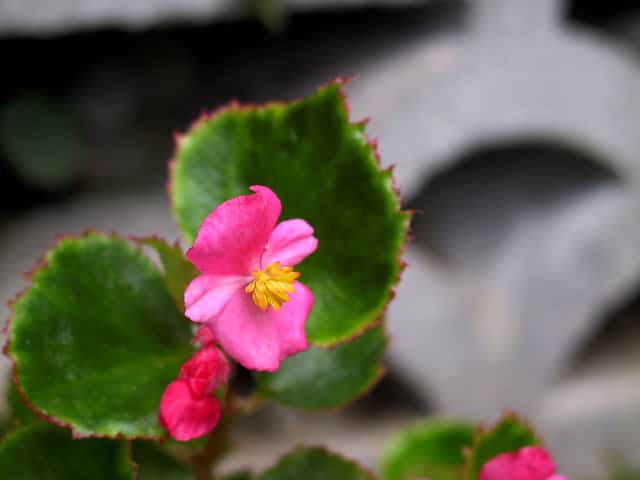
Wax Begonia (Begonia × semperflorens-cultorum) is a easy-care plant from the Begoniaceae family. Wax Begonia (Begonia × semperflorens-cultorum) is a popular flowering annual and tender perennial prized for its glossy, waxy foliage and prolific blooms in shades of white, pink, and red. It thrives in borders, containers, and as a houseplant, blooming almost continuously from spring to fall.
Wax Begonia grows up to 30cm, spread of 30cm, watering every 7 days, 13°C – 28°C, 40–60% humidity. It is suitable for indoor environments and not safe for pets.
Unlike many tropical plants, Wax Begonia tolerates watering mistakes. Best for beginners. Without precautions, ingestion can cause irritation in pets. Keep out of reach of cats and dogs. Without adequate drainage, root rot can develop within 14 days.
How to Care for Wax Begonia?
TLDR: Wax Begonia needs Partial shade, watering every 7 days, and temperatures between 13-28°C with 40-60% humidity.
How Often Should You Water Wax Begonia?
Water at soil level every 5–8 days in summer (10–14 days in winter) when the top inch feels dry. Avoid wetting the foliage to prevent fungal issues.
How Much Light Does Wax Begonia Need?
Provide bright indirect light or gentle morning sun (2–4 hours). East-facing windows are ideal indoors. Avoid harsh afternoon sun which can scorch leaves.
What Is the Best Soil for Wax Begonia?
Use a light, well-draining mix with perlite. A pH of 5.8–6.5 (slightly acidic) is optimal. Ensure pots have drainage holes to prevent root rot.
What Pot Should You Use for Wax Begonia?
Terracotta or ceramic pot with drainage holes. Avoid large pots — slightly snug containers promote blooming.
Care Schedule
Fertilize
Every 14 days
Repot
Every 365 days
What Is Wax Begonia and Where Does It Come From?
Wax Begonia (Begonia × semperflorens-cultorum) is a popular flowering annual and tender perennial prized for its glossy, waxy foliage and prolific blooms in shades of white, pink, and red. It thrives in borders, containers, and as a houseplant, blooming almost continuously from spring to fall.
How to Propagate Wax Begonia?
Stem Cutting
Seed
How Big Does Wax Begonia Grow?
TLDR: Wax Begonia can reach up to 30cm tall with Fast growth rate.
Max height
30cm
Spread
30cm
Growth rate
Fast
Foliage
Evergreen
Warning: Toxic Plant
This plant can be toxic if ingested. Keep out of reach of:
Plant Uses
Ornamental
Great for decoration
Ground Cover
Soil coverage
Is your plant showing symptoms?
Click on the symptom to discover possible causes:
What Diseases Commonly Affect Wax Begonia?
TLDR: Wax Begonia is susceptible to 15 known diseases. Monitor regularly for early detection.
Powdery Mildew
Powdery mildew is a common fungal disease caused by various fungi species including Erysiphe, Podosphaera, Oïdium, and Leveillula. It affects over 10,000 plant species worldwide. The disease thrives in warm, dry climates with high humidity and appears as a distinctive white powdery coating on plant surfaces.
Botrytis
Gray Mold (Botrytis Blight)
Gray mold, caused by the fungus Botrytis cinerea, is one of the most common fungal diseases in plants. It affects over 200 plant species, including ornamentals, vegetables, fruits, and houseplants. The disease thrives in cool, humid conditions with poor air circulation, causing grayish spots and soft rot on infected tissues.
Root Rot
Root rot is a serious fungal disease that affects the root system of plants, causing them to decay and die. It is primarily caused by overwatering, poor drainage, or soil-borne fungi such as Pythium, Phytophthora, Rhizoctonia, and Fusarium. The disease thrives in waterlogged conditions where roots are deprived of oxygen, making them susceptible to fungal infection.
Meaning & Symbolism
Wax begonias symbolize caution, deep thoughts, and gratitude. They are also associated with uniqueness and creativity.
Fun Facts
Wax begonias can bloom for 9+ months of the year indoors with adequate light.
The waxy coating on the leaves helps the plant retain moisture and resist pests.
Both green-leafed and bronze-leafed varieties exist — bronze types tolerate more sun.
Wax begonias are among the most popular bedding plants in the world.
All parts of the plant contain soluble calcium oxalates, making them toxic to pets.
Compare with similar plants
| Attribute | Difficulty | Light | Watering | Pet Safe |
|---|---|---|---|---|
| Field Maple | Easy | Bright indirect | 14d | ✓ |
| Silver Birch | Easy | Direct sun | 14d | ✓ |
| Cushion Bush | Easy | Direct sun | 14d | ✓ |
| Peruvian peppertree | Easy | Direct sun | 14d | ⚠️ |