Lamiaceae
Persian Catmint (Nepeta racemosa)
Nepeta racemosa
Persian Catmint is an easy-care perennial that thrives in full sun with well-draining soil. It is highly drought tolerant once established and requires minimal maintenance. Cut back stems by half after the first flush of blooms to encourage a second wave of flowers. Divide clumps every 3-4 years to maintain vigor.
Every 7 days
Bright indirect
-20° - 35°C
30% - 60%
Categories
What is Persian Catmint?
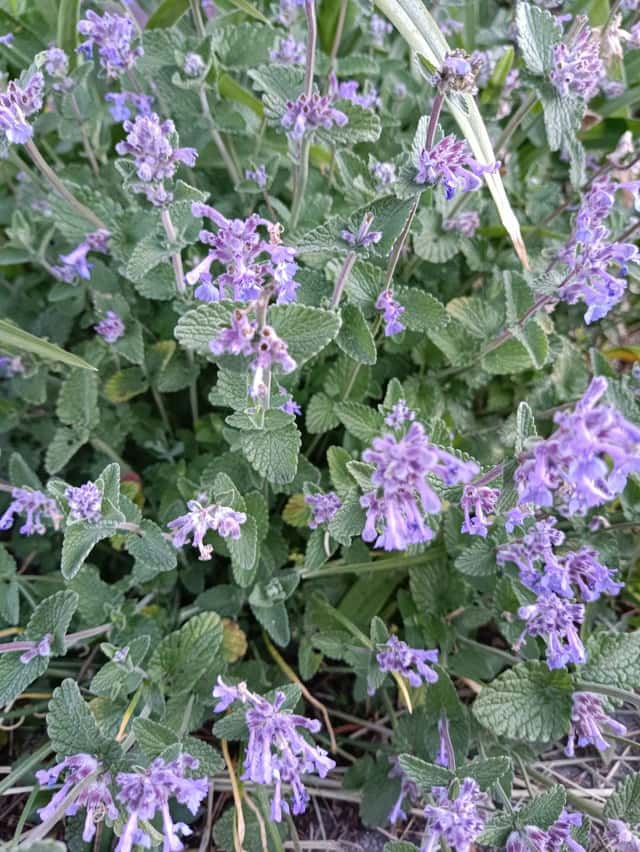
Persian Catmint (Nepeta racemosa) is a easy-care plant from the Lamiaceae family. Nepeta racemosa, commonly known as Persian Catmint, is a low-growing aromatic perennial herb native to the Caucasus and southwestern Asia. It produces cascading mounds of gray-green foliage adorned with abundant lavender-blue flowers from late spring through fall, making it a beloved choice for gard...
Persian Catmint grows up to 90cm, spread of 120cm, watering every 7 days, -20°C – 35°C, 30–60% humidity. It is not suitable for indoor environments and safe for pets.
Unlike many tropical plants, Persian Catmint tolerates watering mistakes. Best for beginners. Unlike many popular species, Persian Catmint is safe to keep around pets.
How to Care for Persian Catmint?
TLDR: Persian Catmint needs Bright indirect, watering every 7 days, and temperatures between -20-35°C with 30-60% humidity.
How Often Should You Water Persian Catmint?
Water deeply about once a week during establishment; once mature, catmint is very drought tolerant and needs watering only during prolonged dry spells (more than 2-3 weeks without rain). Avoid overwatering—soggy soil leads to root rot.
How Much Light Does Persian Catmint Need?
Plant in full sun for the most prolific blooming. At least 6-8 hours of direct sunlight daily is ideal. In hot climates, afternoon shade is tolerated but flowering may be reduced.
What Is the Best Soil for Persian Catmint?
Use well-draining, lean to moderately fertile soil. Sandy, loamy, or chalky soils are all suitable. Avoid heavy clay or consistently wet conditions. Catmint does not require rich soil and actually blooms better in leaner substrates.
What Pot Should You Use for Persian Catmint?
Terracotta pot or raised garden bed. Excellent drainage is essential—avoid pots without drainage holes.
Care Schedule
Fertilize
Every 90 days
What Is Persian Catmint and Where Does It Come From?
Nepeta racemosa, commonly known as Persian Catmint, is a low-growing aromatic perennial herb native to the Caucasus and southwestern Asia. It produces cascading mounds of gray-green foliage adorned with abundant lavender-blue flowers from late spring through fall, making it a beloved choice for garden borders, rock gardens, and pollinator gardens. Unlike true catnip (Nepeta cataria), it is valued primarily as an ornamental and is highly attractive to bees and butterflies.
How to Propagate Persian Catmint?
Division
Division every 3-4 years refreshes the plant and maintains its vigor. Spring is the best time but fall also works.
- 1 Dig up the entire clump in early spring before new growth begins
- 2 Split the root ball into sections using a sharp spade or knife, ensuring each section has healthy roots and shoots
- 3 Replant divisions at the same depth and water well
- 4 Keep moist until established
Materials needed:
Stem Cutting
Cuttings root very quickly. Mist regularly to maintain humidity.
- 1 Take 3-4 inch softwood cuttings in spring from non-flowering stems
- 2 Remove lower leaves and dip the cut end in rooting hormone
- 3 Insert into moist, well-draining propagation medium
- 4 Keep in bright indirect light until roots develop
Materials needed:
How Big Does Persian Catmint Grow?
TLDR: Persian Catmint can reach up to 90cm tall with Medium growth rate.
Max height
90cm
Spread
1.2m
Growth rate
Medium
Foliage
Deciduous
Plant Uses
Ornamental
Great for decoration
Aromatic
Pleasant fragrance
Ground Cover
Soil coverage
Medicinal
Medicinal properties
Medicinal Uses
- Traditionally used as a mild sedative and digestive aid in herbal medicine
- May help relieve headaches and mild anxiety
- Used in teas for relaxation and to ease minor digestive complaints
Culinary Uses
- Young leaves and flowers are edible with a mild minty flavor
- Can be used sparingly in salads, teas, or as a herb garnish
Is your plant showing symptoms?
Click on the symptom to discover possible causes:
What Diseases Commonly Affect Persian Catmint?
TLDR: Persian Catmint is susceptible to 7 known diseases. Monitor regularly for early detection.
Powdery Mildew
Powdery mildew is a common fungal disease caused by various fungi species including Erysiphe, Podosphaera, Oïdium, and Leveillula. It affects over 10,000 plant species worldwide. The disease thrives in warm, dry climates with high humidity and appears as a distinctive white powdery coating on plant surfaces.
Root Rot
Root rot is a serious fungal disease that affects the root system of plants, causing them to decay and die. It is primarily caused by overwatering, poor drainage, or soil-borne fungi such as Pythium, Phytophthora, Rhizoctonia, and Fusarium. The disease thrives in waterlogged conditions where roots are deprived of oxygen, making them susceptible to fungal infection.
Aphids
Aphids are small, soft-bodied, pear-shaped insects (1/16 to 1/8 inch long) that feed by sucking nutrient-rich sap from plants. They reproduce rapidly and can quickly weaken plants, causing distorted growth and transmitting plant viruses. Aphids come in various colors including green, black, red, yellow, brown, and gray. They secrete honeydew, a sticky substance that attracts ants and encourages sooty mold growth.
Spider Mites
Spider mites are tiny arachnids (less than 1/20 inch long) related to spiders and ticks that feed on plant sap. They thrive in hot, dry conditions and can cause significant damage to ornamental and vegetable plants. During severe infestations, crop losses can reach 14% or higher as these pests disrupt vital plant processes including photosynthesis, carbon dioxide absorption, and transpiration.
Meaning & Symbolism
Catmint symbolizes serenity, playfulness, and resilience. Its irresistible attraction to cats lends it a mystical, whimsical quality. In herbal traditions it has been associated with love, calming energy, and feminine intuition.
Fun Facts
Persian Catmint is one of the best plants for attracting pollinators—particularly bees and butterflies
It is completely deer and rabbit resistant, a major advantage in wildlife-prone gardens
Cutting back after the first bloom triggers a second flowering wave extending color well into fall
The compound nepetalactone in catmint has been found to repel mosquitoes more effectively than DEET in some studies
Frequently asked questions
How often should I water Persian Catmint?
Does Persian Catmint spread aggressively?
Is Persian Catmint toxic to cats or dogs?
When and how should I prune Persian Catmint?
Why is my catmint not blooming well?
Compare with similar plants
| Attribute | Difficulty | Light | Watering | Pet Safe |
|---|---|---|---|---|
| Field Maple | Easy | Bright indirect | 14d | ✓ |
| Silver Birch | Easy | Direct sun | 14d | ✓ |
| Cushion Bush | Easy | Direct sun | 14d | ✓ |
| Peruvian peppertree | Easy | Direct sun | 14d | ⚠️ |





