Rosaceae
Common Hawthorn: Edible Plant
Crataegus monogyna
An exceptionally tough, low-maintenance tree that thrives in full sun to part shade and tolerates poor, chalky, or clay soils once established. Water regularly during the first growing season, then rely on rainfall. Prune hedges once or twice a year to keep growth dense and thorny.
Every 7 days
Bright indirect
-15° - 35°C
40% - 80%
Categories
What is Common Hawthorn?
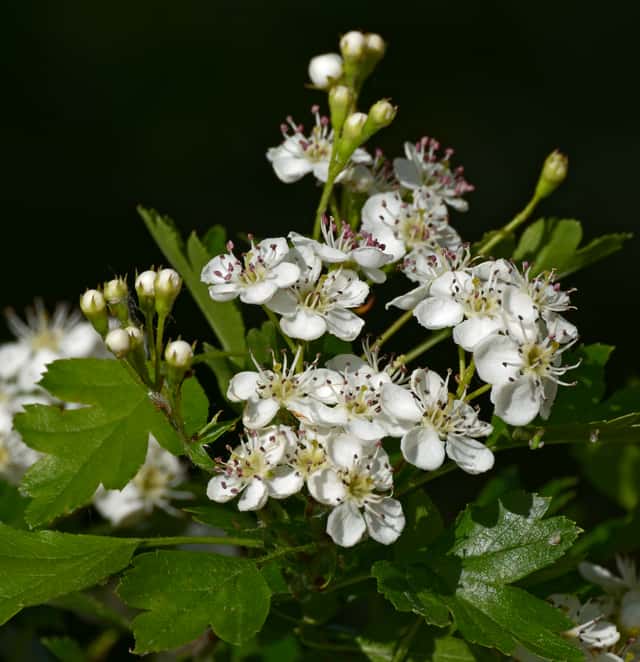
Common Hawthorn (Crataegus monogyna) is a easy-care plant from the Rosaceae family. Crataegus monogyna is a thorny, deciduous large shrub or small tree native to Europe, North Africa, and Western Asia. Prized for its clusters of white blossom in spring, deep red autumn haws, and dense, thorny growth, it has long been used as a hedging and wildlife plant across the British Isles and...
Common Hawthorn grows up to 8.0m, spread of 800cm, watering every 7 days, -15°C – 35°C, 40–80% humidity. It is not suitable for indoor environments and safe for pets.
Unlike many tropical plants, Common Hawthorn tolerates watering mistakes. Best for beginners. Unlike many popular species, Common Hawthorn is safe to keep around pets.
How to Care for Common Hawthorn?
TLDR: Common Hawthorn needs Bright indirect, watering every 7 days, and temperatures between -15-35°C with 40-80% humidity.
How Often Should You Water Common Hawthorn?
Water deeply and regularly during the first year to establish roots; afterwards the tree is drought-tolerant and only needs watering in prolonged dry spells.
How Much Light Does Common Hawthorn Need?
Grows best in full sun for the heaviest blossom and fruit, but tolerates part shade well, especially as a hedge or woodland-edge planting.
What Is the Best Soil for Common Hawthorn?
Adaptable to almost any well-drained soil, including chalky, clay, and poor soils; avoid waterlogged ground as it increases the risk of root rot.
What Pot Should You Use for Common Hawthorn?
Rarely grown in containers due to its eventual size, but young specimens can be kept for a few years in a large, deep terracotta or wooden planter with excellent drainage before planting out.
What Is Common Hawthorn and Where Does It Come From?
Crataegus monogyna is a thorny, deciduous large shrub or small tree native to Europe, North Africa, and Western Asia. Prized for its clusters of white blossom in spring, deep red autumn haws, and dense, thorny growth, it has long been used as a hedging and wildlife plant across the British Isles and mainland Europe.
How to Propagate Common Hawthorn?
Propagation from seed
Hawthorn seeds have a tough coat and complex dormancy, so germination is slow and irregular; sowing fresh seed outdoors in autumn and being patient over two winters gives the best results.
- 1 Collect ripe haws in autumn and remove the pulp from the seeds
- 2 Stratify seeds in moist sand or compost, keeping them cold and moist for 16-20 weeks
- 3 Sow stratified seeds in prepared seedbeds or pots in autumn or early spring
- 4 Keep soil consistently moist; germination can take one to two years due to a hard seed coat and double dormancy
- 5 Transplant seedlings once they have their first true leaves and a strong root system
Materials needed:
How Big Does Common Hawthorn Grow?
TLDR: Common Hawthorn can reach up to 8.0m tall with Medium growth rate.
Max height
8.0m
Spread
8.0m
Growth rate
Medium
Foliage
Deciduous
Warning: Toxic Plant
This plant can be toxic if ingested. Keep out of reach of:
Plant Uses
Ornamental
Great for decoration
Edible
Can be consumed
Medicinal
Medicinal properties
Medicinal Uses
- Traditional cardiovascular tonic (leaves, flowers, and berries used in herbal medicine for heart and circulation support)
- Used to support healthy blood pressure in folk and modern herbalism
- Mild digestive aid
Culinary Uses
- Ripe haws made into jellies, syrups, and wines
- Young spring leaves and buds eaten fresh in salads ("bread and cheese")
- Flowers used to flavor cordials and infusions
Is your plant showing symptoms?
Click on the symptom to discover possible causes:
What Diseases Commonly Affect Common Hawthorn?
TLDR: Common Hawthorn is susceptible to 6 known diseases. Monitor regularly for early detection.
Fire Blight
Fire blight is a highly destructive and contagious bacterial disease caused by Erwinia amylovora. It primarily affects plants in the Rosaceae family, including apple, pear, quince trees, and various ornamental plants. The disease can destroy an entire orchard in a single growing season under ideal conditions, with the bacterium moving approximately 11 inches per week in new growth.
Rust
Rust is a common fungal disease caused by fungi in the order Pucciniales that affects a wide variety of plants. The disease gets its name from the characteristic orange, yellow, or reddish-brown pustules that appear on leaves, resembling metal rust. This obligate fungal parasite requires living plants to survive and can cause significant economic losses in agricultural crops.
Powdery Mildew
Powdery mildew is a common fungal disease caused by various fungi species including Erysiphe, Podosphaera, Oïdium, and Leveillula. It affects over 10,000 plant species worldwide. The disease thrives in warm, dry climates with high humidity and appears as a distinctive white powdery coating on plant surfaces.
Leaf Spot
Leaf spot is a common fungal disease caused by various pathogens including Alternaria, Ascochyta, Colletotrichum, Septoria, and Venturia. It primarily affects leaves, causing discolored spots that can lead to premature leaf drop if left untreated.
Meaning & Symbolism
Deeply woven into European folklore, hawthorn is the archetypal 'fairy tree', associated with May Day/Beltane, protection, and fertility, yet traditionally considered unlucky to bring its blossom indoors, as the scent was linked to death and plague.
Compare with similar plants
| Attribute | Difficulty | Light | Watering | Pet Safe |
|---|---|---|---|---|
| Field Maple | Easy | Bright indirect | 14d | ✓ |
| Silver Birch | Easy | Direct sun | 14d | ✓ |
| Cushion Bush | Easy | Direct sun | 14d | ✓ |
| Peruvian peppertree | Easy | Direct sun | 14d | ⚠️ |





