Myrtaceae
Eucalyptus: Aromatic Plant
Eucalyptus
Eucalyptus requires full direct sun for at least 6 hours daily and thrives in well-draining, slightly acidic to neutral soil. Once established, it is highly drought-tolerant but needs regular watering while young. Avoid overwatering and waterlogged soil. Fertilize quarterly during the growing season. Best grown outdoors in USDA hardiness zones 8–11.
Every 7 days
Direct sun
10° - 38°C
30% - 50%
Categories
What is Eucalyptus?
Eucalyptus (Eucalyptus) is a medium-care plant from the Myrtaceae family. Eucalyptus is a large genus of fast-growing flowering trees and shrubs native primarily to Australia, comprising over 700 recognized species. Iconic for their aromatic silvery-blue foliage, peeling decorative bark, and clusters of distinctive brush-like flowers, eucalyptus trees are among the most w...
Eucalyptus grows up to 18.0m, spread of 600cm, watering every 7 days, 10°C – 38°C, 30–50% humidity. It is suitable for indoor environments and not safe for pets.
Without precautions, ingestion can cause irritation in pets. Keep out of reach of cats and dogs. Without adequate drainage, root rot can develop within 14 days.
How to Care for Eucalyptus?
TLDR: Eucalyptus needs Direct sun, watering every 7 days, and temperatures between 10-38°C with 30-50% humidity.
How Often Should You Water Eucalyptus?
Water when the top third of the soil feels dry, approximately every 7 days. Once established, eucalyptus is drought-tolerant but should never remain completely dry for extended periods. Avoid overwatering as this leads to root rot — always ensure pots have drainage holes.
How Much Light Does Eucalyptus Need?
Place in a location that receives at least 6 hours of direct sunlight daily. Indoors, position near the brightest south- or west-facing window available. Insufficient light results in poor growth, weak stems, and reduced aromatic oil production.
What Is the Best Soil for Eucalyptus?
Use a well-draining potting mix with slightly acidic to neutral pH (6.2–7.0). Add perlite or coarse sand to improve drainage. Eucalyptus cannot tolerate heavy, waterlogged soils. When growing in containers, always choose pots with drainage holes.
What Pot Should You Use for Eucalyptus?
Terracotta or unglazed clay pots for indoor container growing — these allow soil to breathe and prevent moisture buildup. For mature trees, open ground planting is strongly preferred to allow the root system to develop fully.
Care Schedule
Fertilize
Every 90 days
Repot
Every 730 days
What Is Eucalyptus and Where Does It Come From?
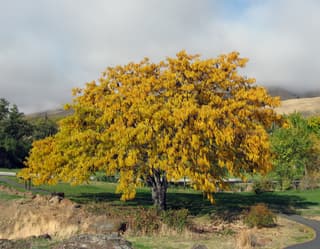
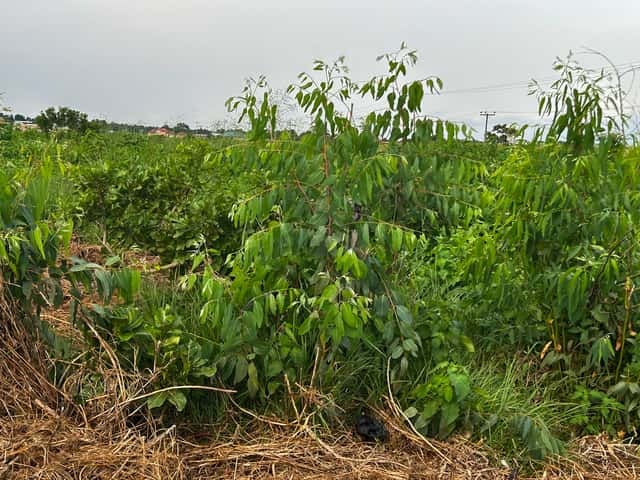
Eucalyptus is a large genus of fast-growing flowering trees and shrubs native primarily to Australia, comprising over 700 recognized species. Iconic for their aromatic silvery-blue foliage, peeling decorative bark, and clusters of distinctive brush-like flowers, eucalyptus trees are among the most widely planted trees in the world. While they grow into large trees outdoors, certain dwarf and compact varieties can be grown as potted ornamental plants.
How Big Does Eucalyptus Grow?
TLDR: Eucalyptus can reach up to 18.0m tall with Fast growth rate.
Max height
18.0m
Spread
6.0m
Growth rate
Fast
Foliage
Evergreen
Warning: Toxic Plant
This plant can be toxic if ingested. Keep out of reach of:
Plant Uses
Ornamental
Great for decoration
Medicinal
Medicinal properties
Aromatic
Pleasant fragrance
Medicinal Uses
- Essential oil used to relieve respiratory conditions (coughs, colds, bronchitis, sinusitis)
- Antiseptic and anti-inflammatory properties
- Active ingredient in many chest rubs, throat lozenges, and inhalants
- Antimicrobial activity against a broad range of bacteria and fungi
- Used in aromatherapy for mental clarity and stress relief
Is your plant showing symptoms?
Click on the symptom to discover possible causes:
What Diseases Commonly Affect Eucalyptus?
TLDR: Eucalyptus is susceptible to 9 known diseases. Monitor regularly for early detection.
Root Rot
Root rot is a serious fungal disease that affects the root system of plants, causing them to decay and die. It is primarily caused by overwatering, poor drainage, or soil-borne fungi such as Pythium, Phytophthora, Rhizoctonia, and Fusarium. The disease thrives in waterlogged conditions where roots are deprived of oxygen, making them susceptible to fungal infection.
Phytophthora Root Rot
Disease caused by fungus-like organisms (oomycetes) that live in soil and can survive for years. It affects roots, stem, and crown of plants, being especially severe in waterlogged or poorly drained soils. It is the second most common cause of root rot in trees and shrubs.
Canker
Canker is a disease caused by various fungi and bacteria that create necrotic, sunken areas on bark of branches, stems, and trunks. Pathogens enter through wounds and natural openings, especially when plants are stressed. Canker can gradually weaken or kill branches by disrupting water and nutrient flow.
Powdery Mildew
Powdery mildew is a common fungal disease caused by various fungi species including Erysiphe, Podosphaera, Oïdium, and Leveillula. It affects over 10,000 plant species worldwide. The disease thrives in warm, dry climates with high humidity and appears as a distinctive white powdery coating on plant surfaces.
Meaning & Symbolism
Eucalyptus symbolizes protection, healing, and purification. In Aboriginal Australian culture, the tree is sacred and represents connection to the land and spiritual renewal. Globally, it is associated with vitality, fresh starts, and respiratory health due to its medicinal oil.
Compare with similar plants
| Attribute | Difficulty | Light | Watering | Pet Safe |
|---|---|---|---|---|
| Azalea | Medium | Partial shade | 3d | ⚠️ |
| Wild Lettuce | Medium | Direct sun | 7d | ⚠️ |
| Cape Primrose | Medium | Partial shade | 7d | ✓ |
| Honey Locust | Medium | Direct sun | 14d | ✓ |