Myrtaceae
Cider Gum (Eucalyptus gunnii): Complete Care and Growing Guide
Eucalyptus gunnii
Plant in full sun with well-draining soil. Water every 7-14 days, allowing soil to dry between waterings. Fertilize monthly during spring and summer. Prune to control size or to encourage juvenile foliage production. Highly frost-tolerant once established.
Every 10 days
Direct sun
-18° - 38°C
40% - 70%
Categories
What is Cider Gum?
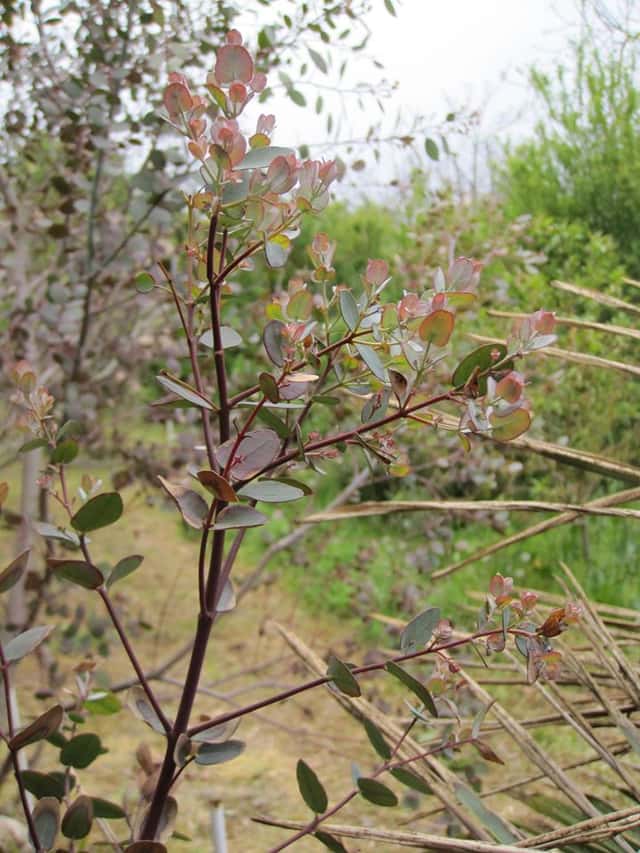
Cider Gum (Eucalyptus gunnii) is a easy-care plant from the Myrtaceae family. Eucalyptus gunnii, commonly known as Cider Gum, is a fast-growing evergreen tree native to Tasmania, Australia. It is one of the hardiest eucalyptus species, tolerating frost down to -18°C. Its distinctive silvery-blue rounded juvenile leaves are prized in floral arrangements and landscaping. The tr...
Cider Gum grows up to 30.0m, spread of 1200cm, watering every 10 days, -18°C – 38°C, 40–70% humidity. It is not suitable for indoor environments and not safe for pets.
Unlike many tropical plants, Cider Gum tolerates watering mistakes. Best for beginners. Without precautions, ingestion can cause irritation in pets. Keep out of reach of cats and dogs.
How to Care for Cider Gum?
TLDR: Cider Gum needs Direct sun, watering every 10 days, and temperatures between -18-38°C with 40-70% humidity.
How Often Should You Water Cider Gum?
Water every 7-14 days, allowing the top layer of soil to dry out between waterings. Reduce watering in winter. Avoid waterlogging, as it can cause root rot.
How Much Light Does Cider Gum Need?
Requires full sun — at least 6 hours of direct sunlight daily. Insufficient light leads to weak growth and loss of the characteristic silver-blue leaf color.
What Is the Best Soil for Cider Gum?
Prefers well-draining, slightly acidic to neutral soil (pH 5.5-7.0). Tolerates poor, sandy, loamy, and clay soils as long as drainage is adequate. Avoid compacted or waterlogged substrates.
What Pot Should You Use for Cider Gum?
Large terracotta pots or containers with good drainage holes for container growing; in gardens, plant directly in the ground in a sheltered but sunny location.
Care Schedule
Fertilize
Every 30 days
What Is Cider Gum and Where Does It Come From?
Eucalyptus gunnii, commonly known as Cider Gum, is a fast-growing evergreen tree native to Tasmania, Australia. It is one of the hardiest eucalyptus species, tolerating frost down to -18°C. Its distinctive silvery-blue rounded juvenile leaves are prized in floral arrangements and landscaping. The tree produces small white flowers in summer and has smooth, flaking bark in cream, pink, and brown tones.
How to Propagate Cider Gum?
Seed Propagation
Seeds have long viability. Harden off seedlings gradually before planting outdoors. Eucalyptus dislikes root disturbance, so plant in its final position as early as possible.
- 1 Surface sow seeds in well-draining compost in February or March
- 2 Keep in a warm, bright location
- 3 Pot up when the second set of leaves develops
- 4 Avoid disturbing roots during transplanting
Materials needed:
How Big Does Cider Gum Grow?
TLDR: Cider Gum can reach up to 30.0m tall with Fast growth rate.
Max height
30.0m
Spread
12.0m
Growth rate
Fast
Foliage
Evergreen
Warning: Toxic Plant
This plant can be toxic if ingested. Keep out of reach of:
Plant Uses
Ornamental
Great for decoration
Aromatic
Pleasant fragrance
Medicinal
Medicinal properties
Medicinal Uses
- Essential oil from leaves has antiseptic properties; used to relieve coughs, colds, and sore throats; antifungal and antimicrobial effects documented
Culinary Uses
- The sweet sap can be tapped from the trunk and drunk fresh or fermented into a cider-like drink; traditional use by Australian Aboriginal communities
Is your plant showing symptoms?
Click on the symptom to discover possible causes:
What Diseases Commonly Affect Cider Gum?
TLDR: Cider Gum is susceptible to 8 known diseases. Monitor regularly for early detection.
Root Rot
Root rot is a serious fungal disease that affects the root system of plants, causing them to decay and die. It is primarily caused by overwatering, poor drainage, or soil-borne fungi such as Pythium, Phytophthora, Rhizoctonia, and Fusarium. The disease thrives in waterlogged conditions where roots are deprived of oxygen, making them susceptible to fungal infection.
Leaf Spot
Leaf spot is a common fungal disease caused by various pathogens including Alternaria, Ascochyta, Colletotrichum, Septoria, and Venturia. It primarily affects leaves, causing discolored spots that can lead to premature leaf drop if left untreated.
Aphids
Aphids are small, soft-bodied, pear-shaped insects (1/16 to 1/8 inch long) that feed by sucking nutrient-rich sap from plants. They reproduce rapidly and can quickly weaken plants, causing distorted growth and transmitting plant viruses. Aphids come in various colors including green, black, red, yellow, brown, and gray. They secrete honeydew, a sticky substance that attracts ants and encourages sooty mold growth.
Mealybugs
Mealybugs are small, soft-bodied insects covered with a white, waxy, cottony material. They are common pests of houseplants and outdoor plants in mild climates. These sap-sucking insects feed on plant tissue, causing damage, stunted growth, and can lead to plant death if left untreated. They produce sticky honeydew which attracts sooty mold.
Meaning & Symbolism
Symbol of protection, healing, and renewal. Associated with vitality and strength; used in Feng Shui for purification and mental clarity.
Fun Facts
One of the most frost-hardy eucalyptus species, tolerating temperatures as low as -18°C (-0.4°F)
The sweet sap can be fermented into a cider-like beverage — hence the name 'Cider Gum'
Winner of the Royal Horticultural Society's Award of Garden Merit
Named after botanist Ronald Campbell Gunn, who collected specimens in Tasmania in the 19th century
Frequently asked questions
How often should I water Cider Gum?
Is Cider Gum toxic to pets?
Can Cider Gum be grown in a pot?
What light does Cider Gum need?
How do I propagate Cider Gum?
Compare with similar plants
| Attribute | Difficulty | Light | Watering | Pet Safe |
|---|---|---|---|---|
| Field Maple | Easy | Bright indirect | 14d | ✓ |
| Silver Birch | Easy | Direct sun | 14d | ✓ |
| Cushion Bush | Easy | Direct sun | 14d | ✓ |
| Peruvian peppertree | Easy | Direct sun | 14d | ⚠️ |





