Fabaceae
Perennial Lupine: Full Sun Plant
Lupinus polyphyllus
Perennial lupine is a hardy plant (zones 4–8) that prefers full sun and well-drained, slightly acidic to neutral soil (pH 6.0–7.5). It tolerates excessive heat and stagnant moisture poorly. Regular but moderate watering, every 3 to 5 days, is essential to keep the soil moist without waterlogging. The plant is toxic to cats, dogs, and humans due to its alkaloids (lupinine). It is cultivated exclusively outdoors and is not suitable for indoor pot cultivation.
Every 4 days
Direct sun
5° - 25°C
30% - 60%
Categories
What is Perennial Lupine?
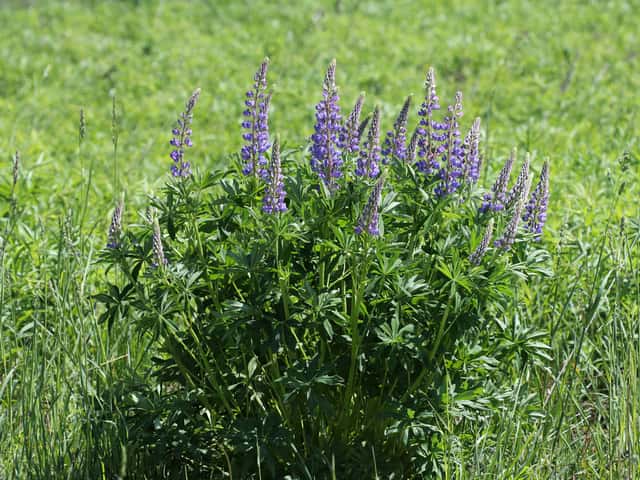
Perennial Lupine (Lupinus polyphyllus) is a medium-care plant from the Fabaceae family. Lupinus polyphyllus, commonly known as perennial lupine or bigleaf lupine, is a perennial herbaceous plant belonging to the Fabaceae family, native to western North America. It is distinguished by its large palmate leaves composed of 9 to 17 velvety leaflets and its majestic upright flower spikes th...
Perennial Lupine grows up to 1.2m, spread of 60cm, watering every 4 days, 5°C – 25°C, 30–60% humidity. It is not suitable for indoor environments and not safe for pets.
Without precautions, ingestion can cause irritation in pets. Keep out of reach of cats and dogs.
How to Care for Perennial Lupine?
TLDR: Perennial Lupine needs Direct sun, watering every 4 days, and temperatures between 5-25°C with 30-60% humidity.
How Often Should You Water Perennial Lupine?
Water deeply every 3 to 5 days, ensuring the soil remains cool and moist but never waterlogged. Lupine is particularly sensitive to overwatering, which quickly leads to root rot. During hot periods, monitor soil moisture more frequently. Avoid watering the foliage to limit the risk of fungal diseases.
How Much Light Does Perennial Lupine Need?
Perennial lupine thrives in full sun, with at least 6 hours of direct sunlight per day. It tolerates light partial shade, but flowering will be less abundant. In regions with hot summers, light afternoon shade can protect the plant from leaf scorch and prolong flowering.
What Is the Best Soil for Perennial Lupine?
Plant lupine in loamy, well-drained soil rich in organic matter. The ideal pH is between 6.0 and 7.5. Amend the soil with compost or well-rotted manure before planting. Avoid heavy, clayey soils that retain water. Lupine is a legume that fixes atmospheric nitrogen and naturally improves soil fertility.
What Pot Should You Use for Perennial Lupine?
Perennial lupine is generally not suitable for indoor pot cultivation due to its deep taproots and significant direct light requirements. If you wish to grow it in a container, opt for a large, deep pot of at least 40 cm, made of terracotta or wood, with numerous drainage holes. It must be placed outdoors.
Care Schedule
Fertilize
Every 60 days
What Is Perennial Lupine and Where Does It Come From?
Lupinus polyphyllus, commonly known as perennial lupine or bigleaf lupine, is a perennial herbaceous plant belonging to the Fabaceae family, native to western North America. It is distinguished by its large palmate leaves composed of 9 to 17 velvety leaflets and its majestic upright flower spikes that can reach 120 cm in height. Its butterfly-shaped flowers come in a wide range of colors, from blue to purple, as well as pink, white, red, and yellow. As a nitrogen-fixing plant thanks to its symbiotic root nodules, it naturally enriches poor soils while offering a remarkable floral display from spring to summer.
How to Propagate Perennial Lupine?
Sowing
Division
Stem Cuttings
How Big Does Perennial Lupine Grow?
TLDR: Perennial Lupine can reach up to 1.2m tall with Medium growth rate.
Max height
1.2m
Spread
60cm
Growth rate
Medium
Foliage
Deciduous
Warning: Toxic Plant
This plant can be toxic if ingested. Keep out of reach of:
Plant Uses
Ornamental
Great for decoration
Medicinal
Medicinal properties
Medicinal Uses
- Used in traditional herbal medicine for its diuretic and vermifuge properties
- Research on lupinine alkaloids for potential pharmaceutical applications
Culinary Uses
- The seeds of certain sweet varieties (low in alkaloids) are consumed as a legume after prolonged soaking
- Used in Mediterranean and Andean cuisine as pickled lupini beans
Is your plant showing symptoms?
Click on the symptom to discover possible causes:
What Diseases Commonly Affect Perennial Lupine?
TLDR: Perennial Lupine is susceptible to 10 known diseases. Monitor regularly for early detection.
Aphids
Aphids are small, soft-bodied, pear-shaped insects (1/16 to 1/8 inch long) that feed by sucking nutrient-rich sap from plants. They reproduce rapidly and can quickly weaken plants, causing distorted growth and transmitting plant viruses. Aphids come in various colors including green, black, red, yellow, brown, and gray. They secrete honeydew, a sticky substance that attracts ants and encourages sooty mold growth.
Anthracnose
Anthracnose is a fungal disease caused by fungi in the genus Colletotrichum that affects many plants, including vegetables, fruits, and trees. The disease thrives in cool, wet conditions, causing dark, sunken lesions on leaves, stems, flowers, and fruits.
Root Rot
Root rot is a serious fungal disease that affects the root system of plants, causing them to decay and die. It is primarily caused by overwatering, poor drainage, or soil-borne fungi such as Pythium, Phytophthora, Rhizoctonia, and Fusarium. The disease thrives in waterlogged conditions where roots are deprived of oxygen, making them susceptible to fungal infection.
Powdery Mildew
Powdery mildew is a common fungal disease caused by various fungi species including Erysiphe, Podosphaera, Oïdium, and Leveillula. It affects over 10,000 plant species worldwide. The disease thrives in warm, dry climates with high humidity and appears as a distinctive white powdery coating on plant surfaces.
Meaning & Symbolism
In the language of flowers, lupine symbolizes imagination, admiration, and happiness. Its Latin name comes from "lupus" (wolf), as it was once believed that the plant depleted soils, although the opposite is true. It also represents perseverance and quiet strength.
Compare with similar plants
| Attribute | Difficulty | Light | Watering | Pet Safe |
|---|---|---|---|---|
| Dark Fieldcap | Medium | Low light | 2d | ⚠️ |
| Azalea | Medium | Partial shade | 3d | ⚠️ |
| Bougainvillea | Medium | Direct sun | 7d | ⚠️ |
| Wild Lettuce | Medium | Direct sun | 7d | ⚠️ |



