Convolvulaceae
Blue Daze (Evolvulus glomeratus): Complete Care Guide
Evolvulus glomeratus
Blue Daze is an easy-care plant perfect for sunny gardens. It thrives in full sun with moderate watering and well-draining soil. Light trimming after the bloom period encourages bushy growth and continuous flowering throughout the warm season.
Every 7 days
Bright indirect
10° - 38°C
30% - 60%
Categories
What is Blue Daze?
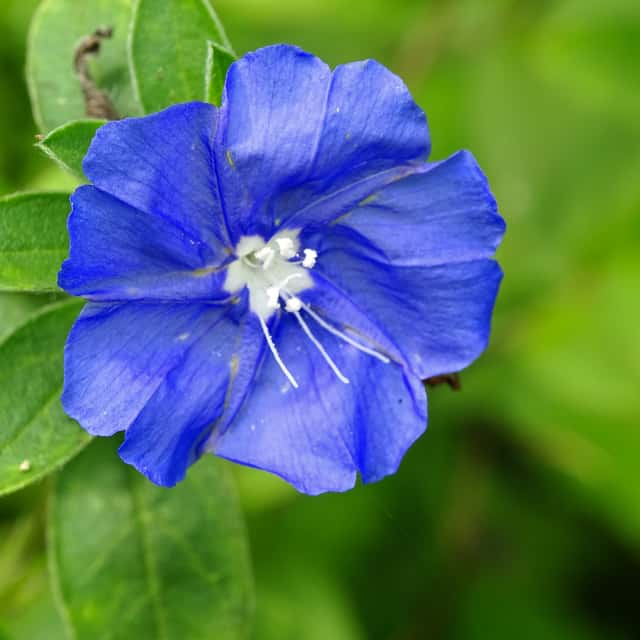
Blue Daze (Evolvulus glomeratus) is a easy-care plant from the Convolvulaceae family. Blue Daze (Evolvulus glomeratus) is a low-growing, spreading perennial native to Brazil, belonging to the Convolvulaceae family. It produces a continuous display of sky-blue flowers with white centers that open each morning and close in the evening or on cloudy days. It is widely used as ground cove...
Blue Daze grows up to 46cm, with spread of 90cm, watering every 7 days, 10°C – 38°C, 30–60% humidity. It is not suitable for indoor environments and safe for pets.
Unlike many tropical plants, Blue Daze tolerates watering mistakes. Best for beginners. Unlike many popular species, Blue Daze is safe to keep around pets.
How to Care for Blue Daze?
TLDR: Blue Daze needs Bright indirect, watering every 7 days, and temperatures between 10-38°C with 30-60% humidity.
How Often Should You Water Blue Daze?
Water every 7 days, allowing the top inch of soil to dry slightly between waterings. Avoid waterlogged soil as it leads to root rot. In hot summer weather, check soil moisture more frequently.
How Much Light Does Blue Daze Need?
Plant in full sun with at least 6 hours of direct sunlight per day. Good light is essential for abundant blooming — in partial shade the plant grows but flowers significantly less.
What Is the Best Soil for Blue Daze?
Use light, well-draining soil rich in organic matter. A mix of garden soil with coarse sand and compost works well. Avoid heavy clay soils that retain excess moisture.
What Pot Should You Use for Blue Daze?
Terra cotta or ceramic pots with drainage holes are ideal. Blue Daze also looks stunning in hanging baskets where its trailing stems can cascade over the edges.
Care Schedule
Fertilize
Every 30 days
Repot
Every 365 days
What Is Blue Daze and Where Does It Come From?
Blue Daze (Evolvulus glomeratus) is a low-growing, spreading perennial native to Brazil, belonging to the Convolvulaceae family. It produces a continuous display of sky-blue flowers with white centers that open each morning and close in the evening or on cloudy days. It is widely used as ground cover, border plant, and in hanging baskets.
How to Propagate Blue Daze?
Stem Cutting
Take cuttings in spring or summer for best results. Change water weekly if rooting in water. Use sterilized tools to prevent fungal infections.
- 1 Take a healthy 3-5 inch stem cutting just below a node
- 2 Remove leaves from the lower third of the cutting
- 3 Optionally dip the base in rooting hormone powder
- 4 Plant in moist, well-draining medium or place in water
- 5 Keep in bright indirect light with high humidity until roots develop
Materials needed:
How Big Does Blue Daze Grow?
TLDR: Blue Daze can reach up to 46cm tall with Medium growth rate.
Max height
46cm
Spread
90cm
Growth rate
Medium
Foliage
Evergreen
Plant Uses
Ornamental
Great for decoration
Ground Cover
Soil coverage
Is your plant showing symptoms?
Click on the symptom to discover possible causes:
What Diseases Commonly Affect Blue Daze?
TLDR: Blue Daze is susceptible to 4 known diseases. Monitor regularly for early detection.
Root Rot
Root rot is a serious fungal disease that affects the root system of plants, causing them to decay and die. It is primarily caused by overwatering, poor drainage, or soil-borne fungi such as Pythium, Phytophthora, Rhizoctonia, and Fusarium. The disease thrives in waterlogged conditions where roots are deprived of oxygen, making them susceptible to fungal infection.
Aphids
Aphids are small, soft-bodied, pear-shaped insects (1/16 to 1/8 inch long) that feed by sucking nutrient-rich sap from plants. They reproduce rapidly and can quickly weaken plants, causing distorted growth and transmitting plant viruses. Aphids come in various colors including green, black, red, yellow, brown, and gray. They secrete honeydew, a sticky substance that attracts ants and encourages sooty mold growth.
Spider Mites
Spider mites are tiny arachnids (less than 1/20 inch long) related to spiders and ticks that feed on plant sap. They thrive in hot, dry conditions and can cause significant damage to ornamental and vegetable plants. During severe infestations, crop losses can reach 14% or higher as these pests disrupt vital plant processes including photosynthesis, carbon dioxide absorption, and transpiration.
Whiteflies
Whiteflies are small, soft-bodied, winged insects closely related to aphids and mealybugs. They are moth-like in appearance, about 1/16 inch long, triangular in shape, and gray-white in color. These sap-sucking pests feed on plant tissue, causing yellowing, stunted growth, and wilting. They also excrete honeydew, which attracts ants and promotes sooty mold growth. Whiteflies can transmit serious plant viruses.
Meaning & Symbolism
Blue Daze symbolizes daily joy, constancy, and renewal — its flowers opening and closing each day represent the beauty of the moment and quiet perseverance.
Fun Facts
Blue Daze flowers open every morning and close at dusk — each individual flower lasts only a single day!
Native to Brazil, it is a staple of tropical landscaping and garden design worldwide.
The genus name Evolvulus comes from Latin meaning "without twining" — distinguishing it from its climbing relatives in the Convolvulaceae family.
Blue Daze is remarkably heat-tolerant and blooms prolifically through Brazil's hot summers with minimal care.
Frequently asked questions
How often should I water Blue Daze?
Does Blue Daze need full sun?
Is Blue Daze toxic to pets?
How do I get more blooms on my Blue Daze?
Can I grow Blue Daze in a container?
Compare with similar plants
| Attribute | Difficulty | Light | Watering | Pet Safe |
|---|---|---|---|---|
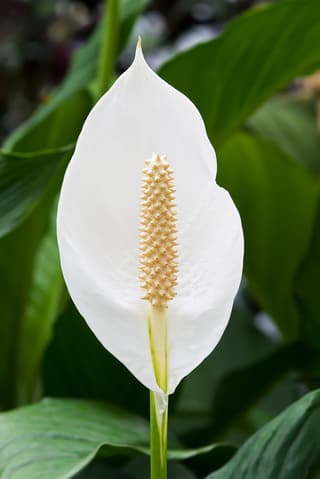
| Peace Lily | Easy | Low light | 4d | ⚠️ |
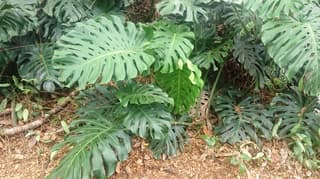
| Swiss Cheese Plant | Easy | Partial shade | 10d | ⚠️ |
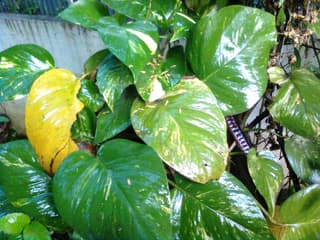
| Golden Pothos | Easy | Low light | 8d | ⚠️ |
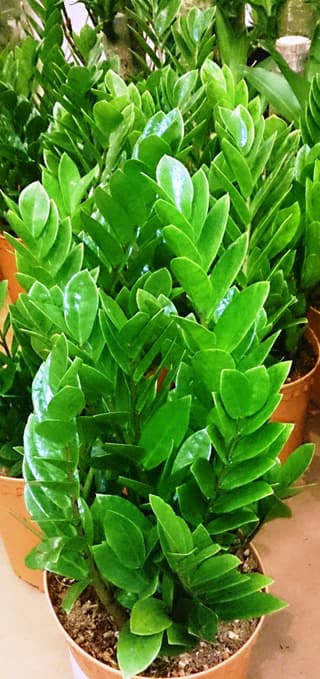
| ZZ Plant | Easy | Low light | 18d | ⚠️ |