Lamiaceae
Summer Savory: Aromatic Plant
Satureja hortensis
Summer savory is a sun-loving, fast-growing annual herb that thrives best in loose, well-draining soil with moderate, consistent watering. It is low-maintenance and requires few nutrients, but it is sensitive to overwatering and standing water, which can lead to root rot. Regular pinching and pruning can make the plant bushier and more productive.
Every 6 days
Direct sun
10° - 32°C
30% - 50%
Categories
What is Summer Savory?
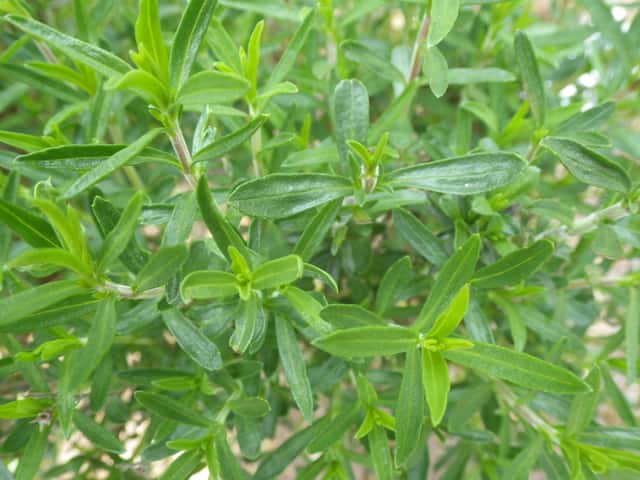
Summer Savory (Satureja hortensis) is a easy-care plant from the Lamiaceae family. Summer savory (Satureja hortensis) is a highly aromatic annual herb in the mint family (Lamiaceae), native to the Mediterranean region. It is a branched, hairy-stemmed plant growing 30–45 cm tall, with narrow, lanceolate leaves and small, white or pale lavender tubular flowers that appear in summer....
Summer Savory grows up to 45cm, spread of 45cm, watering every 6 days, 10°C – 32°C, 30–50% humidity. It is suitable for indoor environments and safe for pets.
Unlike many tropical plants, Summer Savory tolerates watering mistakes. Best for beginners. Unlike many popular species, Summer Savory is safe to keep around pets. Without adequate drainage, root rot can develop within 12 days.
How to Care for Summer Savory?
TLDR: Summer Savory needs Direct sun, watering every 6 days, and temperatures between 10-32°C with 30-50% humidity.
How Often Should You Water Summer Savory?
Water moderately, allowing the top layer of soil to dry out between waterings—summer savory tolerates drought better than waterlogged conditions.
How Much Light Does Summer Savory Need?
Choose a full-sun location with at least 6 hours of direct sunlight daily; in the shade, the plant will become leggy and develop poorly.
What Is the Best Soil for Summer Savory?
It requires loose, well-draining, moderately fertile soil with a slightly acidic to neutral pH (6.0–7.5); root rot easily develops in heavy, compacted, or water-saturated soil.
What Pot Should You Use for Summer Savory?
A clay or terracotta pot with good drainage holes is recommended, as it helps the soil dry out quickly and prevents root rot.
Care Schedule
Fertilize
Every 30 days
Rotate
Every 14 days
What Is Summer Savory and Where Does It Come From?
Summer savory (Satureja hortensis) is a highly aromatic annual herb in the mint family (Lamiaceae), native to the Mediterranean region. It is a branched, hairy-stemmed plant growing 30–45 cm tall, with narrow, lanceolate leaves and small, white or pale lavender tubular flowers that appear in summer. Its leaves emit a pungent, spicy aroma reminiscent of pepper and thyme, making it a popular seasoning for legumes and meats.
How to Propagate Summer Savory?
How Big Does Summer Savory Grow?
TLDR: Summer Savory can reach up to 45cm tall with Fast growth rate.
Max height
45cm
Spread
45cm
Growth rate
Fast
Foliage
Deciduous
Plant Uses
Edible
Can be consumed
Medicinal
Medicinal properties
Aromatic
Pleasant fragrance
Medicinal Uses
- Digestive aid and carminative effects
- Antioxidant essential oils and extracts
- Antimicrobial and anti-inflammatory properties
- Traditionally used to soothe sore throats and coughs
Culinary Uses
- Seasoning for beans and legumes
- Flavoring for meats, sausages, and stews
- Seasoning for soups and sauces
- Ingredient in herbal teas and spice blends
Is your plant showing symptoms?
Click on the symptom to discover possible causes:
What Diseases Commonly Affect Summer Savory?
TLDR: Summer Savory is susceptible to 6 known diseases. Monitor regularly for early detection.
Aphids
Aphids are small, soft-bodied, pear-shaped insects (1/16 to 1/8 inch long) that feed by sucking nutrient-rich sap from plants. They reproduce rapidly and can quickly weaken plants, causing distorted growth and transmitting plant viruses. Aphids come in various colors including green, black, red, yellow, brown, and gray. They secrete honeydew, a sticky substance that attracts ants and encourages sooty mold growth.
Spider Mites
Spider mites are tiny arachnids (less than 1/20 inch long) related to spiders and ticks that feed on plant sap. They thrive in hot, dry conditions and can cause significant damage to ornamental and vegetable plants. During severe infestations, crop losses can reach 14% or higher as these pests disrupt vital plant processes including photosynthesis, carbon dioxide absorption, and transpiration.
Whiteflies
Whiteflies are small, soft-bodied, winged insects closely related to aphids and mealybugs. They are moth-like in appearance, about 1/16 inch long, triangular in shape, and gray-white in color. These sap-sucking pests feed on plant tissue, causing yellowing, stunted growth, and wilting. They also excrete honeydew, which attracts ants and promotes sooty mold growth. Whiteflies can transmit serious plant viruses.
Damping Off
Damping off is a soil-borne fungal disease that affects seeds and young seedlings, causing rotting of stem and root tissues at and below the soil line. It is caused by several fungi including Pythium, Rhizoctonia, Fusarium, and Phytophthora. The disease thrives in cold, wet conditions with poor air circulation.
Meaning & Symbolism
Among the ancient Greeks and Romans, it was considered a plant associated with satyrs, symbolizing vitality and desire—this is also the origin of the name "Satureja."
Compare with similar plants
| Attribute | Difficulty | Light | Watering | Pet Safe |
|---|---|---|---|---|
| Field Maple | Easy | Bright indirect | 14d | ✓ |
| Silver Birch | Easy | Direct sun | 14d | ✓ |
| Common Blanketflower | Easy | Direct sun | 10d | ✓ |
| Cushion Bush | Easy | Direct sun | 14d | ✓ |
Choose & Compare
Sources & References
- Satureja hortensis (Cimbru, Savory, Summer Savory) - NC State Extension Gardener Plant Toolbox
- Phytochemical Profile and Biological Activities of Satureja hortensis L.: A Review of the Last Decade
- Summer savory Plant Care: Water, Light, Nutrients - Greg App
- How to Grow Summer Savory (Satureja hortensis)
- Borsikafű (Satureja hortensis) - Gondozása és termesztése





