Monimiaceae
Boldo: Medicinal Uses & Care Tips
Peumus boldus
Prefers full sun and soil with excellent drainage. It is resistant to moderate drought but sensitive to waterlogging and intense frosts.
Every 14 days
Bright indirect
2° - 35°C
30% - 60%
Categories
What is Boldo?
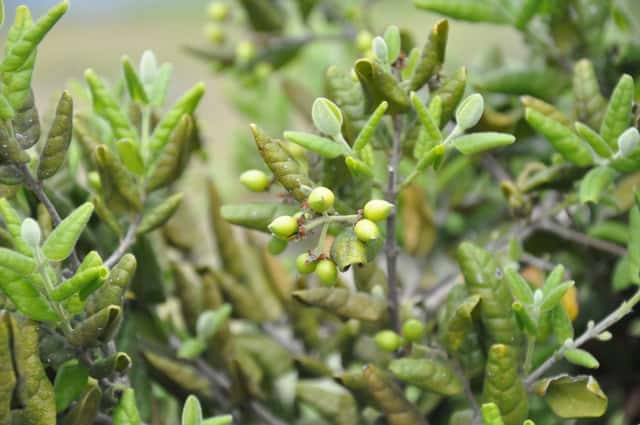
Boldo (Peumus boldus) is a medium-care plant from the Monimiaceae family. Peumus boldus, commonly known as Boldo, is an evergreen tree native to the central regions of Chile. Its leaves are leathery, grayish-green, and possess a very strong characteristic aroma due to the presence of essential oils and the alkaloid boldine. It is a slow-growing plant that can reach large...
Boldo grows up to 8.0m, spread of 400cm, watering every 14 days, 2°C – 35°C, 30–60% humidity. It is not suitable for indoor environments and not safe for pets.
Without precautions, ingestion can cause irritation in pets. Keep out of reach of cats and dogs.
How to Care for Boldo?
TLDR: Boldo needs Bright indirect, watering every 14 days, and temperatures between 2-35°C with 30-60% humidity.
How Often Should You Water Boldo?
Water deeply, but wait for the top 1 to 2 inches of soil to dry out completely before the next watering.
How Much Light Does Boldo Need?
For optimal production of medicinal oils, the plant requires at least 6 hours of direct sunlight daily.
What Is the Best Soil for Boldo?
Mix standard garden soil with coarse sand and organic matter to simulate Chilean Mediterranean soil.
What Pot Should You Use for Boldo?
Terracotta or ceramic pots with generous drainage holes to ensure the soil does not retain excessive moisture.
Care Schedule
Fertilize
Every 90 days
What Is Boldo and Where Does It Come From?
Peumus boldus, commonly known as Boldo, is an evergreen tree native to the central regions of Chile. Its leaves are leathery, grayish-green, and possess a very strong characteristic aroma due to the presence of essential oils and the alkaloid boldine. It is a slow-growing plant that can reach large proportions in its natural habitat, but in domestic cultivation or pots, it remains a robust shrub.
How to Propagate Boldo?
Stem cuttings
- Keep the cutting in indirect light until the first shoots appear
- Avoid overwatering to prevent the base from rotting
- 1 Stem selection
Cut a semi-woody stem approximately 6 inches long.
- 2 Preparation
Remove the leaves from the bottom half and dip the base in rooting hormone.
- 3 Planting
Insert into a light substrate composed of sand and peat, keeping it in a protected and humid location.
Materials needed:
Sowing
- Germination is slow and irregular
- Use fresh seeds for best results
- 1 Cleaning
Remove the pulp from ripe fruits and wash the seeds thoroughly.
- 2 Stratification
Seeds may require a cold period to break dormancy.
- 3 Sowing
Plant in well-drained soil and maintain constant moisture without waterlogging.
Materials needed:
How Big Does Boldo Grow?
TLDR: Boldo can reach up to 8.0m tall with Slow growth rate.
Max height
8.0m
Spread
4.0m
Growth rate
Slow
Foliage
Evergreen
Warning: Toxic Plant
This plant can be toxic if ingested. Keep out of reach of:
Plant Uses
Medicinal
Medicinal properties
Ornamental
Great for decoration
Medicinal Uses
- Digestive aid
- Treatment of liver problems
- Bile stimulant
- Antioxidant action
Culinary Uses
- Seasoning for meats (use sparingly)
- Flavoring for liqueurs
- Preserves
Is your plant showing symptoms?
Click on the symptom to discover possible causes:
What Diseases Commonly Affect Boldo?
TLDR: Boldo is susceptible to 8 known diseases. Monitor regularly for early detection.
Root Rot
Root rot is a serious fungal disease that affects the root system of plants, causing them to decay and die. It is primarily caused by overwatering, poor drainage, or soil-borne fungi such as Pythium, Phytophthora, Rhizoctonia, and Fusarium. The disease thrives in waterlogged conditions where roots are deprived of oxygen, making them susceptible to fungal infection.
Aphids
Aphids are small, soft-bodied, pear-shaped insects (1/16 to 1/8 inch long) that feed by sucking nutrient-rich sap from plants. They reproduce rapidly and can quickly weaken plants, causing distorted growth and transmitting plant viruses. Aphids come in various colors including green, black, red, yellow, brown, and gray. They secrete honeydew, a sticky substance that attracts ants and encourages sooty mold growth.
Scale Insects
Scale insects are small sap-sucking pests that appear as brown, shell-like bumps on plant stems and leaves. There are over 25 species, divided into armored (hard) and unarmored (soft) scales. They feed by piercing plant tissue and extracting sap, which weakens the plant and can lead to yellowing, stunted growth, and even death if left untreated. They also excrete honeydew, which attracts ants and promotes sooty mold growth.
Powdery Mildew
Powdery mildew is a common fungal disease caused by various fungi species including Erysiphe, Podosphaera, Oïdium, and Leveillula. It affects over 10,000 plant species worldwide. The disease thrives in warm, dry climates with high humidity and appears as a distinctive white powdery coating on plant surfaces.
Meaning & Symbolism
Represents physical healing and resilience in arid conditions.
Compare with similar plants
| Attribute | Difficulty | Light | Watering | Pet Safe |
|---|---|---|---|---|
| Dark Fieldcap | Medium | Low light | 2d | ⚠️ |
| Azalea | Medium | Partial shade | 3d | ⚠️ |
| Bougainvillea | Medium | Direct sun | 7d | ⚠️ |
| Wild Lettuce | Medium | Direct sun | 7d | ⚠️ |



