Apiaceae
Common Hogweed
Heracleum sphondylium
Common hogweed is a vigorous, low-maintenance plant ideal for naturalistic and wildlife gardens. Water regularly to keep soil moist, fertilize monthly during the growing season, and remove spent flower heads to prevent excessive self-seeding. Always wear gloves when handling.
Every 7 days
Partial shade
-20° - 25°C
50% - 70%
Categories
What is Common Hogweed?
Common Hogweed (Heracleum sphondylium) is a medium-care plant from the Apiaceae family. Heracleum sphondylium, commonly known as common hogweed or cow parsnip, is a robust herbaceous perennial in the carrot family Apiaceae, native to Europe and western Asia. It thrives in meadows, hedgerows, woodland edges and roadsides, growing up to 2 metres tall. In summer it produces spectacular la...
Common Hogweed grows up to 2.0m, spread of 120cm, watering every 7 days, -20°C – 25°C, 50–70% humidity. It is not suitable for indoor environments and not safe for pets.
Without precautions, ingestion can cause irritation in pets. Keep out of reach of cats and dogs.
How to Care for Common Hogweed?
TLDR: Common Hogweed needs Partial shade, watering every 7 days, and temperatures between -20-25°C with 50-70% humidity.
How Often Should You Water Common Hogweed?
Water regularly to maintain evenly moist soil. During dry summer spells, water every 5–7 days. Established plants are fairly drought-tolerant once roots are well-established. Avoid waterlogging.
How Much Light Does Common Hogweed Need?
Thrives in full sun to partial shade, ideally receiving at least 6 hours of direct sunlight daily. It can tolerate woodland shade, making it versatile for different garden positions.
What Is the Best Soil for Common Hogweed?
Prefers loamy, humus-rich soil with good drainage and moisture retention. Ideal pH 6.0–7.5. Amend poor soils with well-rotted compost before planting.
What Pot Should You Use for Common Hogweed?
Large terracotta pot or outdoor planter with adequate drainage holes. Better suited to open garden borders due to its substantial size.
Care Schedule
Fertilize
Every 28 days
What Is Common Hogweed and Where Does It Come From?
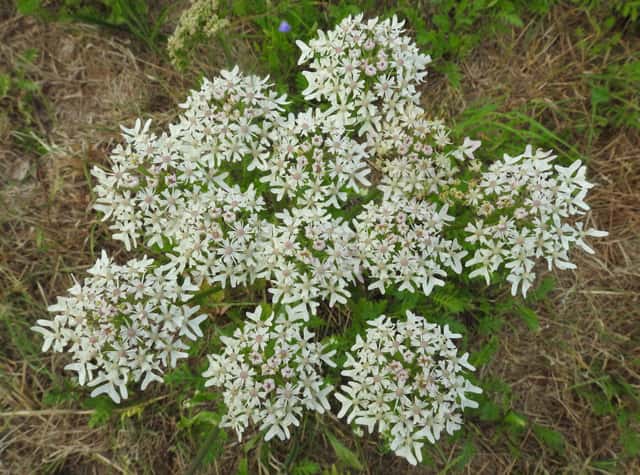
Heracleum sphondylium, commonly known as common hogweed or cow parsnip, is a robust herbaceous perennial in the carrot family Apiaceae, native to Europe and western Asia. It thrives in meadows, hedgerows, woodland edges and roadsides, growing up to 2 metres tall. In summer it produces spectacular large umbrella-shaped clusters of white flowers, making it a striking addition to naturalistic gardens. Its sap contains phototoxic compounds that can cause skin reactions in sensitive individuals.
How Big Does Common Hogweed Grow?
TLDR: Common Hogweed can reach up to 2.0m tall with Fast growth rate.
Max height
2.0m
Spread
1.2m
Growth rate
Fast
Foliage
Deciduous
Warning: Toxic Plant
This plant can be toxic if ingested. Keep out of reach of:
Plant Uses
Ornamental
Great for decoration
Edible
Can be consumed
Medicinal
Medicinal properties
Medicinal Uses
- Roots and leaves traditionally used as digestive aid and mild expectorant
- Historical use for bronchitis and laryngitis treatment
- Used in Eastern European folk medicine for various ailments
Culinary Uses
- Young shoots and stems are edible when cooked
- Seeds used as a spice with cardamom-like flavour
- Historical use in making alcohol and flavouring dishes
Is your plant showing symptoms?
Click on the symptom to discover possible causes:
What Diseases Commonly Affect Common Hogweed?
TLDR: Common Hogweed is susceptible to 5 known diseases. Monitor regularly for early detection.
Powdery Mildew
Powdery mildew is a common fungal disease caused by various fungi species including Erysiphe, Podosphaera, Oïdium, and Leveillula. It affects over 10,000 plant species worldwide. The disease thrives in warm, dry climates with high humidity and appears as a distinctive white powdery coating on plant surfaces.
Aphids
Aphids are small, soft-bodied, pear-shaped insects (1/16 to 1/8 inch long) that feed by sucking nutrient-rich sap from plants. They reproduce rapidly and can quickly weaken plants, causing distorted growth and transmitting plant viruses. Aphids come in various colors including green, black, red, yellow, brown, and gray. They secrete honeydew, a sticky substance that attracts ants and encourages sooty mold growth.
Leaf Spot
Leaf spot is a common fungal disease caused by various pathogens including Alternaria, Ascochyta, Colletotrichum, Septoria, and Venturia. It primarily affects leaves, causing discolored spots that can lead to premature leaf drop if left untreated.
Root Rot
Root rot is a serious fungal disease that affects the root system of plants, causing them to decay and die. It is primarily caused by overwatering, poor drainage, or soil-borne fungi such as Pythium, Phytophthora, Rhizoctonia, and Fusarium. The disease thrives in waterlogged conditions where roots are deprived of oxygen, making them susceptible to fungal infection.
Fun Facts
Ranked in the top 10 plants for nectar production in Europe
Its flowers attract over 100 species of insects including bees, wasps and flies
The common name hogweed comes from its historical use as fodder for pigs
Frequently asked questions
Is common hogweed dangerous?
Can you eat common hogweed?
Is it invasive?
Compare with similar plants
| Attribute | Difficulty | Light | Watering | Pet Safe |
|---|---|---|---|---|
| Dark Fieldcap | Medium | Low light | 2d | ⚠️ |
| Azalea | Medium | Partial shade | 3d | ⚠️ |
| Bougainvillea | Medium | Direct sun | 7d | ⚠️ |
| Wild Lettuce | Medium | Direct sun | 7d | ⚠️ |



