Myrtaceae
Bracelet Honey Myrtle: Aromatic Plant
Melaleuca armillaris
Melaleuca armillaris is a hardy and low-maintenance plant, ideal for Mediterranean, coastal, and sunny gardens. It thrives in well-drained soil, even poor ones, and becomes very drought-tolerant once established. Water regularly during the first year, then space out watering to approximately every two weeks. A light fertilization in spring is sufficient. Prune lightly after flowering to densify the silhouette. It is non-toxic to humans, cats, or dogs.
Every 14 days
Bright indirect
-6° - 40°C
40% - 70%
Categories
What is Bracelet Honey Myrtle?
Bracelet Honey Myrtle (Melaleuca armillaris) is a easy-care plant from the Myrtaceae family. Melaleuca armillaris, commonly known as the bracelet honey myrtle, is a large evergreen shrub or small tree native to southern Australia (South Australia, Victoria, and Tasmania). It can reach 15 to 30 feet (4.6 to 9 meters) in height with a similar spread and is characterized by grey, papery bark t...
Bracelet Honey Myrtle grows up to 9.1m, spread of 910cm, watering every 14 days, -6°C – 40°C, 40–70% humidity. It is not suitable for indoor environments and safe for pets.
Unlike many tropical plants, Bracelet Honey Myrtle tolerates watering mistakes. Best for beginners. Unlike many popular species, Bracelet Honey Myrtle is safe to keep around pets.
How to Care for Bracelet Honey Myrtle?
TLDR: Bracelet Honey Myrtle needs Bright indirect, watering every 14 days, and temperatures between -6-40°C with 40-70% humidity.
How Often Should You Water Bracelet Honey Myrtle?
Water generously twice a week during the first year of establishment. Once well-rooted, water deeply every 10 to 14 days, allowing the soil to dry out between waterings. This species is very drought-tolerant and also handles occasionally wet soils. Avoid excess standing water at the root level to prevent root rot.
How Much Light Does Bracelet Honey Myrtle Need?
Melaleuca armillaris requires full sun exposure (minimum 6 hours of direct sunlight per day) for optimal growth and abundant flowering. It can tolerate light partial shade, but its vigor and flowering will be reduced. It stands up well to strong winds and salt spray.
What Is the Best Soil for Bracelet Honey Myrtle?
Adapts to a very wide range of soils: sandy, loamy, clayey, acidic, or alkaline. Good drainage is essential. Avoid compacted and poorly drained soils without improvement. A pH between 5.5 and 7.5 is suitable. It does not need nutrient-rich soil; overly fertile soil can reduce flowering.
What Pot Should You Use for Bracelet Honey Myrtle?
Pot culture is not recommended for this fast-growing tree that can reach several meters in height. If grown in a container, choose a large wooden or terracotta tub (minimum 24 inches or 60 cm in diameter) with excellent drainage holes, to be placed in full sun on a terrace. Repot every 2 to 3 years.
Care Schedule
Fertilize
Every 90 days
What Is Bracelet Honey Myrtle and Where Does It Come From?
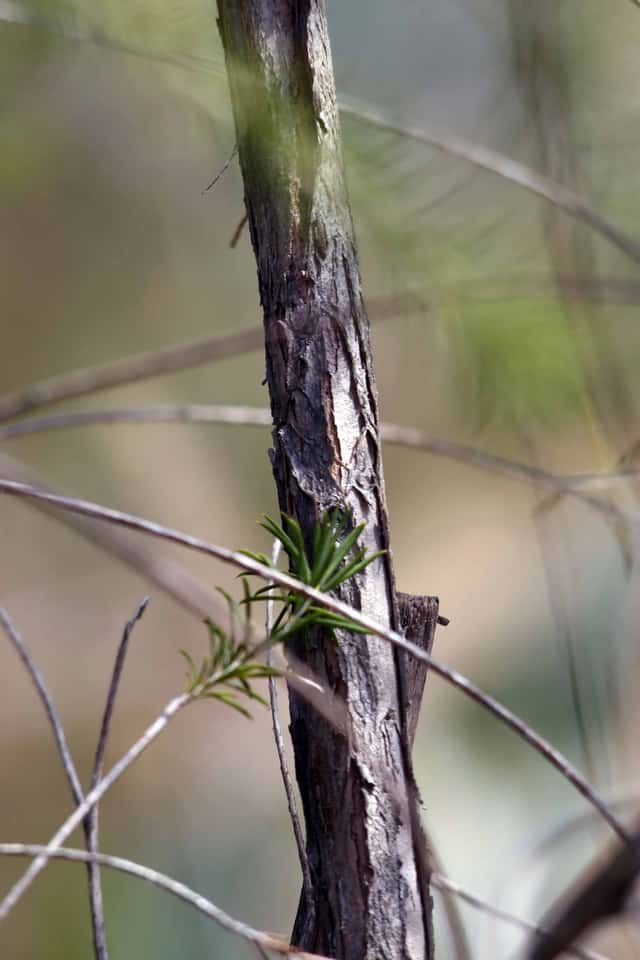
Melaleuca armillaris, commonly known as the bracelet honey myrtle, is a large evergreen shrub or small tree native to southern Australia (South Australia, Victoria, and Tasmania). It can reach 15 to 30 feet (4.6 to 9 meters) in height with a similar spread and is characterized by grey, papery bark that peels in strips, fine needle-like foliage of intense green, and spectacular cylindrical spikes of creamy-white flowers, resembling bottlebrushes, which bloom in spring and summer. Its species name 'armillaris' (from the Latin for bracelet) refers to the ring-like arrangement of its fruit capsules along the branches. Very hardy, it tolerates drought, wind, salt spray, and air pollution, making it an excellent windbreak or screening hedge in Mediterranean and coastal gardens. Its abundant nectar-rich flowering attracts honeyeaters, native bees, and many other pollinators. Its essential oil, rich in 1,8-cineole, possesses antibacterial and antifungal properties recognized by several scientific studies.
How to Propagate Bracelet Honey Myrtle?
cutting
seed
How Big Does Bracelet Honey Myrtle Grow?
TLDR: Bracelet Honey Myrtle can reach up to 9.1m tall with Fast growth rate.
Max height
9.1m
Spread
9.1m
Growth rate
Fast
Foliage
Evergreen
Plant Uses
Ornamental
Great for decoration
Aromatic
Pleasant fragrance
Medicinal
Medicinal properties
Medicinal Uses
- The essential oil extracted from the leaves is rich in 1,8-cineole (eucalyptol) and exhibits antibacterial, antifungal, and anti-inflammatory properties demonstrated in vitro.
- Scientific studies (NCBI) have shown its effectiveness against Staphylococcus aureus, particularly in combination with conventional antibiotics such as rifaximin or cloxacillin.
- Used in aromatherapy for its antiseptic and expectorant virtues, similar to tea tree oil (Melaleuca alternifolia).
- Traditional use in herbal medicine for minor respiratory ailments and superficial skin infections.
Is your plant showing symptoms?
Click on the symptom to discover possible causes:
What Diseases Commonly Affect Bracelet Honey Myrtle?
TLDR: Bracelet Honey Myrtle is susceptible to 3 known diseases. Monitor regularly for early detection.
Root Rot
Root rot is a serious fungal disease that affects the root system of plants, causing them to decay and die. It is primarily caused by overwatering, poor drainage, or soil-borne fungi such as Pythium, Phytophthora, Rhizoctonia, and Fusarium. The disease thrives in waterlogged conditions where roots are deprived of oxygen, making them susceptible to fungal infection.
Phytophthora Root Rot
Disease caused by fungus-like organisms (oomycetes) that live in soil and can survive for years. It affects roots, stem, and crown of plants, being especially severe in waterlogged or poorly drained soils. It is the second most common cause of root rot in trees and shrubs.
Caterpillars
Caterpillars are the larval stage of moths and butterflies that feed voraciously on plant foliage, stems, flowers, and fruits. Common species include cabbage loopers, tomato hornworms, armyworms, and cutworms. These pests can cause extensive damage by consuming large amounts of plant tissue in a short time. They vary in size from small (1/4 inch) to large (5 inches), with colors ranging from green to brown, often featuring stripes or spots. Caterpillars are highly mobile and can quickly spread throughout gardens, making them one of the most destructive common pests.
Meaning & Symbolism
In Australia, Melaleuca armillaris is associated with resilience and adaptability, embodying the ability to thrive in difficult conditions such as wind, salt, and drought. In Mediterranean gardens, it symbolizes natural generosity through its abundant nectar-rich flowers that feed local wildlife.
Compare with similar plants
| Attribute | Difficulty | Light | Watering | Pet Safe |
|---|---|---|---|---|
| Field Maple | Easy | Bright indirect | 14d | ✓ |
| Silver Birch | Easy | Direct sun | 14d | ✓ |
| Common Blanketflower | Easy | Direct sun | 10d | ✓ |
| Cushion Bush | Easy | Direct sun | 14d | ✓ |
Choose & Compare
Sources & References
- Melaleuca armillaris (Bracelet Honey Myrtle) - Gardenia.net
- Comment cultiver et entretenir Melaleuca armillaris - PictureThis
- Mélaleuque armillaris - Jardin Secrets
- How To Grow Melaleuca armillaris - EarthOne
- Melaleuca armillaris - Evergreen Trees Direct
- Melaleuca armillaris Essential Oil as an Antibacterial Agent - NIH





