Araliaceae
Persian Ivy (Hedera colchica) Care Guide
Hedera colchica
Easy to grow in bright indirect light to deep shade. Water when the top of the soil dries out, roughly every 7 days, and avoid soggy conditions that lead to root rot. Thrives in well-draining, organic-rich soil and tolerates a wide range of temperatures once established.
Every 7 days
Partial shade
5° - 24°C
40% - 60%
Categories
What is Persian Ivy?
Persian Ivy (Hedera colchica) is a easy-care plant from the Araliaceae family. Hedera colchica, known as Persian Ivy, is a vigorous evergreen climbing vine native to the Caucasus region and northern Turkey. It features the largest leaves of all Hedera species -- thick, leathery, and often fragrant when crushed. As a mature climber it clings to walls, trees, and trellises using...
Persian Ivy grows up to 30.0m, spread of 500cm, watering every 7 days, 5°C – 24°C, 40–60% humidity. It is suitable for indoor environments and not safe for pets.
Unlike many tropical plants, Persian Ivy tolerates watering mistakes. Best for beginners. Without precautions, ingestion can cause irritation in pets. Keep out of reach of cats and dogs. Without adequate drainage, root rot can develop within 14 days.
How to Care for Persian Ivy?
TLDR: Persian Ivy needs Partial shade, watering every 7 days, and temperatures between 5-24°C with 40-60% humidity.
How Often Should You Water Persian Ivy?
Allow the top 2-3 cm of soil to dry between waterings. Persian Ivy is far more tolerant of underwatering than overwatering -- soggy soil quickly leads to root rot.
How Much Light Does Persian Ivy Need?
Grows well in bright, indirect light to partial shade. Avoid harsh direct sun, which can scorch the large leaves, though it also tolerates deep shade better than most houseplants.
What Is the Best Soil for Persian Ivy?
Use a well-draining potting mix rich in organic matter -- a blend of potting soil, perlite, and compost or coco coir works well.
What Pot Should You Use for Persian Ivy?
Terracotta or any pot with good drainage holes; the porous material helps excess moisture evaporate, protecting against root rot.
Care Schedule
Fertilize
Every 30 days
Misting
Every 7 days
Repot
Every 730 days
What Is Persian Ivy and Where Does It Come From?
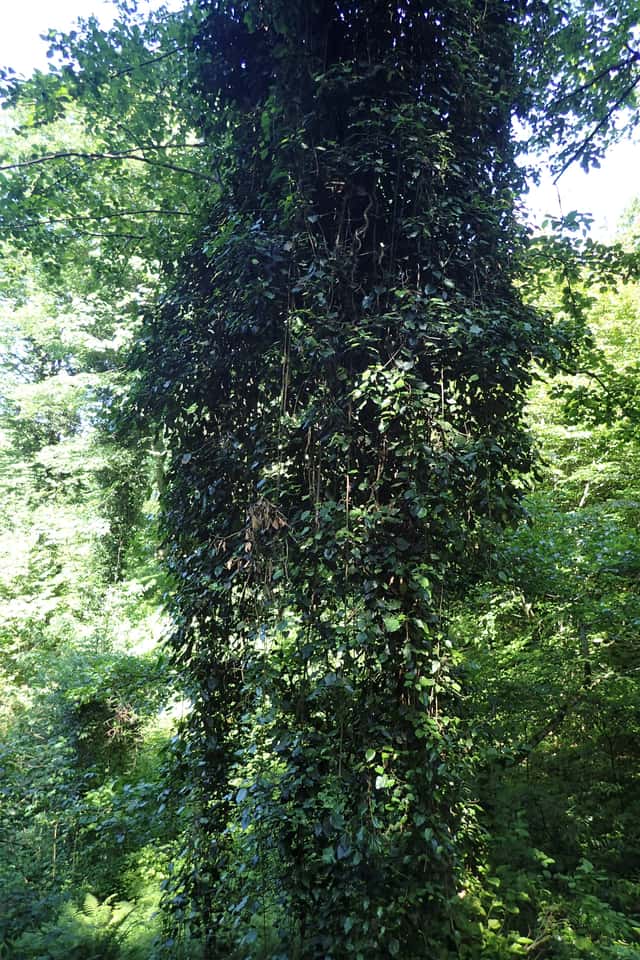
Hedera colchica, known as Persian Ivy, is a vigorous evergreen climbing vine native to the Caucasus region and northern Turkey. It features the largest leaves of all Hedera species -- thick, leathery, and often fragrant when crushed. As a mature climber it clings to walls, trees, and trellises using aerial rootlets, making it a popular choice for covering large vertical surfaces or serving as dense ground cover in shaded gardens.
How to Propagate Persian Ivy?
Stem Cutting
Use clean, sharp scissors and take cuttings from vigorous, disease-free stems for the best rooting success.
- 1 Cut a healthy stem section with 2-3 leaves and a node just below the cut
- 2 Remove the lowest leaf and place the cutting in water or moist, well-draining potting mix
- 3 Keep in bright, indirect light and change the water weekly if rooting in water
- 4 Once roots reach 2-3 cm, transplant into soil if not already potted
Materials needed:
How Big Does Persian Ivy Grow?
TLDR: Persian Ivy can reach up to 30.0m tall with Fast growth rate.
Max height
30.0m
Spread
5.0m
Growth rate
Fast
Foliage
Evergreen
Warning: Toxic Plant
This plant can be toxic if ingested. Keep out of reach of:
Plant Uses
Ornamental
Great for decoration
Ground Cover
Soil coverage
Is your plant showing symptoms?
Click on the symptom to discover possible causes:
What Diseases Commonly Affect Persian Ivy?
TLDR: Persian Ivy is susceptible to 6 known diseases. Monitor regularly for early detection.
Spider Mites
Spider mites are tiny arachnids (less than 1/20 inch long) related to spiders and ticks that feed on plant sap. They thrive in hot, dry conditions and can cause significant damage to ornamental and vegetable plants. During severe infestations, crop losses can reach 14% or higher as these pests disrupt vital plant processes including photosynthesis, carbon dioxide absorption, and transpiration.
Leaf Spot
Leaf spot is a common fungal disease caused by various pathogens including Alternaria, Ascochyta, Colletotrichum, Septoria, and Venturia. It primarily affects leaves, causing discolored spots that can lead to premature leaf drop if left untreated.
Slugs and Snails
Slugs and snails are mollusks that feed on plant tissue, causing irregular holes in leaves and damage to young seedlings. They are most active at night and in moist conditions, leaving characteristic silvery slime trails. These pests can quickly devastate gardens, especially during wet seasons.
Aphids
Aphids are small, soft-bodied, pear-shaped insects (1/16 to 1/8 inch long) that feed by sucking nutrient-rich sap from plants. They reproduce rapidly and can quickly weaken plants, causing distorted growth and transmitting plant viruses. Aphids come in various colors including green, black, red, yellow, brown, and gray. They secrete honeydew, a sticky substance that attracts ants and encourages sooty mold growth.
Meaning & Symbolism
In many cultures ivy represents fidelity, friendship, and eternal life; the oversized leaves of Persian Ivy are also associated with abundance and protection in the home.
Fun Facts
Persian Ivy has the largest leaves of any Hedera species, sometimes exceeding 25 cm across.
In the wild it can climb over 20 meters up mature trees using clinging aerial rootlets.
Its small greenish flowers are rich in nectar and bloom in late summer to fall, feeding pollinators when little else is in bloom.
Frequently asked questions
Is Persian Ivy toxic to cats and dogs?
How often should I water Persian Ivy?
Can Persian Ivy grow in low light?
How do I propagate Persian Ivy?
Compare with similar plants
| Attribute | Difficulty | Light | Watering | Pet Safe |
|---|---|---|---|---|
| Field Maple | Easy | Bright indirect | 14d | ✓ |
| Silver Birch | Easy | Direct sun | 14d | ✓ |
| Cushion Bush | Easy | Direct sun | 14d | ✓ |
| Peruvian peppertree | Easy | Direct sun | 14d | ⚠️ |





