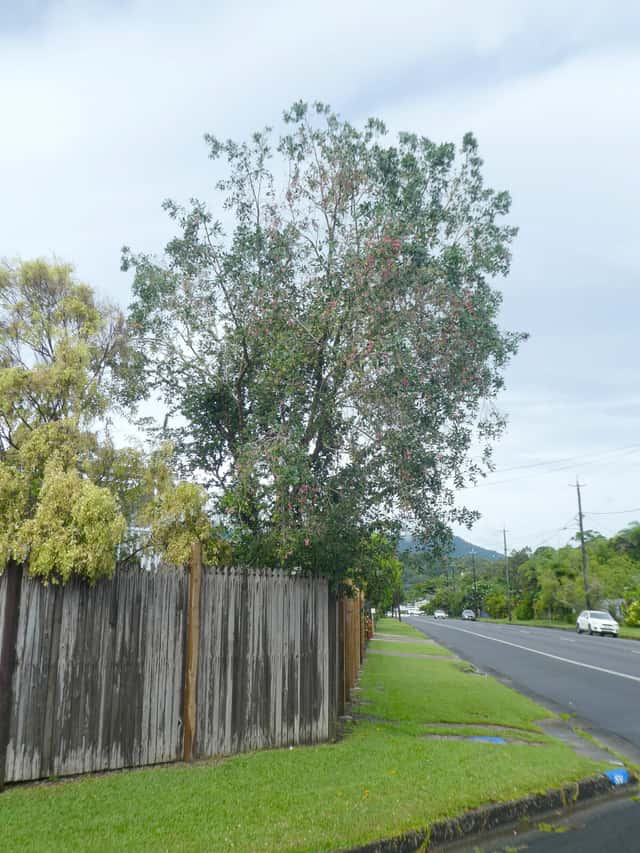
Myrtaceae
Brush Cherry: Edible Plant
Eugenia myrtifolia
Easy-growing plant that responds well to pruning and adapts to various environments. Prefers full sun to partial shade and fertile, well-drained soil. Keep soil moist but not waterlogged. Frost hardy to -7°C when established. Requires regular pruning for shape and density.
Every 3 days
Bright indirect
-7° - 35°C
60% - 90%
Categories
What is Brush Cherry?
Brush Cherry (Eugenia myrtifolia) is a easy-care plant from the Myrtaceae family. Evergreen shrub with bronze, green and red foliage producing delicate white flowers in spring and summer followed by edible magenta-red fruits. Height 4-6 meters in cultivation. Native to humid areas of eastern Australia. Highly valued as ornamental tree, hedging plant and for topiary. Non-toxic to...
Brush Cherry grows up to 6.0m, spread of 300cm, watering every 3 days, -7°C – 35°C, 60–90% humidity. It is suitable for indoor environments and safe for pets.
Unlike many tropical plants, Brush Cherry tolerates watering mistakes. Best for beginners. Unlike many popular species, Brush Cherry is safe to keep around pets. Without adequate drainage, root rot can develop within 7 days.
How to Care for Brush Cherry?
TLDR: Brush Cherry needs Bright indirect, watering every 3 days, and temperatures between -7-35°C with 60-90% humidity.
How Often Should You Water Brush Cherry?
Water regularly, especially during summer and first years after planting. Allow soil to dry slightly between waterings, avoiding waterlogging which causes root rot. Daily watering may be needed in hot, windy weather.
How Much Light Does Brush Cherry Need?
Grow in location with at least 6 hours of direct sunlight daily for best growth and fruiting. Tolerates partial shade but prefers full sun.
What Is the Best Soil for Brush Cherry?
Use well-draining, fertile soil with mild acidity preferred. For pots, mix universal substrate with 30% perlite or arlite for improved drainage.
What Pot Should You Use for Brush Cherry?
Terracotta or plastic pots with drainage holes, minimum 30cm deep
Care Schedule
Fertilize
Every 18 days
Misting
Every 5 days
Rotate
Every 30 days
Repot
Every 270 days
What Is Brush Cherry and Where Does It Come From?
Evergreen shrub with bronze, green and red foliage producing delicate white flowers in spring and summer followed by edible magenta-red fruits. Height 4-6 meters in cultivation. Native to humid areas of eastern Australia. Highly valued as ornamental tree, hedging plant and for topiary. Non-toxic to pets and humans.
How Big Does Brush Cherry Grow?
TLDR: Brush Cherry can reach up to 6.0m tall with Medium growth rate.
Max height
6.0m
Spread
3.0m
Growth rate
Medium
Foliage
Evergreen
Plant Uses
Ornamental
Great for decoration
Edible
Can be consumed
Culinary Uses
- Edible fruits consumed fresh or used in jellies and jams
- Juices and beverages
- Desserts
Is your plant showing symptoms?
Click on the symptom to discover possible causes:
What Diseases Commonly Affect Brush Cherry?
TLDR: Brush Cherry is susceptible to 12 known diseases. Monitor regularly for early detection.
Rust
Rust is a common fungal disease caused by fungi in the order Pucciniales that affects a wide variety of plants. The disease gets its name from the characteristic orange, yellow, or reddish-brown pustules that appear on leaves, resembling metal rust. This obligate fungal parasite requires living plants to survive and can cause significant economic losses in agricultural crops.
Root Rot
Root rot is a serious fungal disease that affects the root system of plants, causing them to decay and die. It is primarily caused by overwatering, poor drainage, or soil-borne fungi such as Pythium, Phytophthora, Rhizoctonia, and Fusarium. The disease thrives in waterlogged conditions where roots are deprived of oxygen, making them susceptible to fungal infection.
Phytophthora Root Rot
The Phytophthora genus consists of soil-borne oomycetes (water molds) that act as plant pathogens, primarily affecting trees and woody plants. It typically spreads through the root system, leading to systemic decline and eventual plant collapse.
Powdery Mildew
Powdery mildew is a common fungal disease caused by various fungi species including Erysiphe, Podosphaera, Oïdium, and Leveillula. It affects over 10,000 plant species worldwide. The disease thrives in warm, dry climates with high humidity and appears as a distinctive white powdery coating on plant surfaces.
Meaning & Symbolism
Prosperity and abundance
Compare with similar plants
| Attribute | Difficulty | Light | Watering | Pet Safe |
|---|---|---|---|---|
| Field Maple | Easy | Bright indirect | 14d | ✓ |
| Silver Birch | Easy | Direct sun | 14d | ✓ |
| Common Blanketflower | Easy | Direct sun | 10d | ✓ |
| Cushion Bush | Easy | Direct sun | 14d | ✓ |





