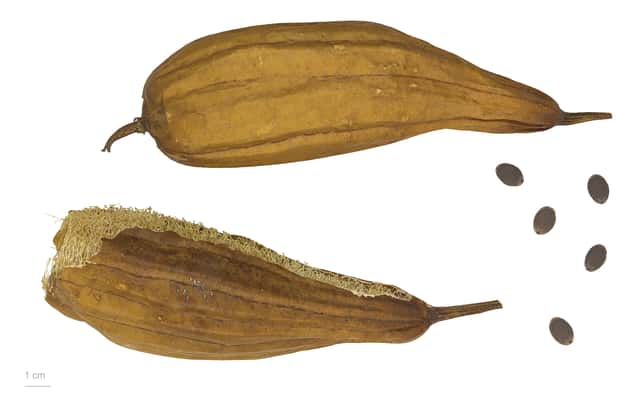
Cucurbitaceae
Sponge Gourd (Luffa aegyptiaca): Complete Growing Guide
Luffa aegyptiaca
Easy-to-grow tropical vine requiring full sun, regular watering, and a sturdy trellis. Fast-growing annual that completes its cycle in one season. Fertilize monthly for best fruit production.
Every 4 days
Direct sun
18° - 35°C
60% - 90%
Categories
What is Sponge Gourd?
Sponge Gourd (Luffa aegyptiaca) is a easy-care plant from the Cucurbitaceae family. Luffa aegyptiaca, commonly known as Sponge Gourd or Smooth Loofah, is a vigorous annual climbing vine in the Cucurbitaceae family, native to South and Southeast Asia. Widely cultivated throughout the tropics, it is prized for its fibrous mature fruits that dry into natural sponges used for bathing a...
Sponge Gourd grows up to 9.0m, spread of 90cm, watering every 4 days, 18°C – 35°C, 60–90% humidity. It is not suitable for indoor environments and safe for pets.
Unlike many tropical plants, Sponge Gourd tolerates watering mistakes. Best for beginners. Unlike many popular species, Sponge Gourd is safe to keep around pets.
How to Care for Sponge Gourd?
TLDR: Sponge Gourd needs Direct sun, watering every 4 days, and temperatures between 18-35°C with 60-90% humidity.
How Often Should You Water Sponge Gourd?
Water every 4 days, keeping the soil consistently moist but never waterlogged. Increase frequency during heatwaves. Avoid overwatering to prevent root rot.
How Much Light Does Sponge Gourd Need?
Requires full sun with at least 6–8 hours of direct sunlight per day. Shaded locations will significantly reduce fruit production.
What Is the Best Soil for Sponge Gourd?
Prefers fertile, well-draining soil rich in organic matter with a pH of 6.0–7.5. Amend with compost before planting for best results.
What Pot Should You Use for Sponge Gourd?
Not suitable for containers due to its vigorous climbing habit reaching up to 9 meters. Best planted directly in the ground with a trellis or fence.
Care Schedule
Fertilize
Every 30 days
What Is Sponge Gourd and Where Does It Come From?
Luffa aegyptiaca, commonly known as Sponge Gourd or Smooth Loofah, is a vigorous annual climbing vine in the Cucurbitaceae family, native to South and Southeast Asia. Widely cultivated throughout the tropics, it is prized for its fibrous mature fruits that dry into natural sponges used for bathing and cleaning. The plant produces showy bright yellow flowers and can reach up to 9 meters in length with proper support.
How to Propagate Sponge Gourd?
Direct Seeding
Sow in a sunny spot and use fresh seeds for higher germination rates. Protect young seedlings from frost.
- 1 Soak seeds in warm water for 24 hours before planting
- 2 Sow directly in the final location after last frost, 2 cm deep
- 3 Keep soil moist until germination
- 4 Install a trellis or support as soon as first stems appear
- 5 Thin seedlings to 60 cm apart, keeping the most vigorous plants
Materials needed:
How Big Does Sponge Gourd Grow?
TLDR: Sponge Gourd can reach up to 9.0m tall with Fast growth rate.
Max height
9.0m
Spread
90cm
Growth rate
Fast
Foliage
Deciduous
Plant Uses
Edible
Can be consumed
Medicinal
Medicinal properties
Ornamental
Great for decoration
Medicinal Uses
- Traditionally used as a mild laxative in folk medicine
- Leaf extracts used in skin treatments
- Seeds have anti-inflammatory properties
Culinary Uses
- Young fruits under 15 cm eaten cooked like zucchini
- Tender leaves used in salads and stir-fries
- Roasted seeds consumed as a snack
Is your plant showing symptoms?
Click on the symptom to discover possible causes:
What Diseases Commonly Affect Sponge Gourd?
TLDR: Sponge Gourd is susceptible to 8 known diseases. Monitor regularly for early detection.
Powdery Mildew
Powdery mildew is a common fungal disease caused by various fungi species including Erysiphe, Podosphaera, Oïdium, and Leveillula. It affects over 10,000 plant species worldwide. The disease thrives in warm, dry climates with high humidity and appears as a distinctive white powdery coating on plant surfaces.
Downy Mildew
Downy mildew is a fungal-like disease caused by oomycetes (water molds) that thrives in cool, wet conditions. It affects a wide range of plants, causing yellowing leaves with fuzzy white-gray growth underneath, leading to defoliation and reduced yields if left untreated.
Root Rot
Root rot is a serious fungal disease that affects the root system of plants, causing them to decay and die. It is primarily caused by overwatering, poor drainage, or soil-borne fungi such as Pythium, Phytophthora, Rhizoctonia, and Fusarium. The disease thrives in waterlogged conditions where roots are deprived of oxygen, making them susceptible to fungal infection.
Anthracnose
Anthracnose is a fungal disease caused by fungi in the genus Colletotrichum that affects many plants, including vegetables, fruits, and trees. The disease thrives in cool, wet conditions, causing dark, sunken lesions on leaves, stems, flowers, and fruits.
Meaning & Symbolism
Sustainability, purity, and conscious use of nature's resources
Fun Facts
A single Sponge Gourd plant can produce 10–30 natural sponges per season
Luffa has been cultivated for over 4,000 years in South Asia
Young fruits taste similar to zucchini and are widely used in Asian cuisine
Luffa fibers are used in industrial filters and acoustic insulation materials
Frequently asked questions
How often should I water Sponge Gourd?
Can Sponge Gourd be grown in a container?
When should I harvest the fruits for sponges?
What are the main pests of Sponge Gourd?
Is Sponge Gourd toxic?
Compare with similar plants
| Attribute | Difficulty | Light | Watering | Pet Safe |
|---|---|---|---|---|
| Field Maple | Easy | Bright indirect | 14d | ✓ |
| Silver Birch | Easy | Direct sun | 14d | ✓ |
| Cushion Bush | Easy | Direct sun | 14d | ✓ |
| Peruvian peppertree | Easy | Direct sun | 14d | ⚠️ |





