Lamiaceae
Self-Heal (Prunella vulgaris)
Prunella vulgaris
A low-maintenance, hardy perennial that thrives in full sun to partial shade. Plant in well-draining loamy soil with organic matter. Water every 12 days keeping soil slightly moist. No heavy fertilizing needed. Frost-tolerant and largely disease- and pest-resistant, making it ideal for medicinal herb gardens and ground cover.
Every 12 days
Partial shade
5° - 35°C
40% - 70%
Categories
What is Self-Heal?
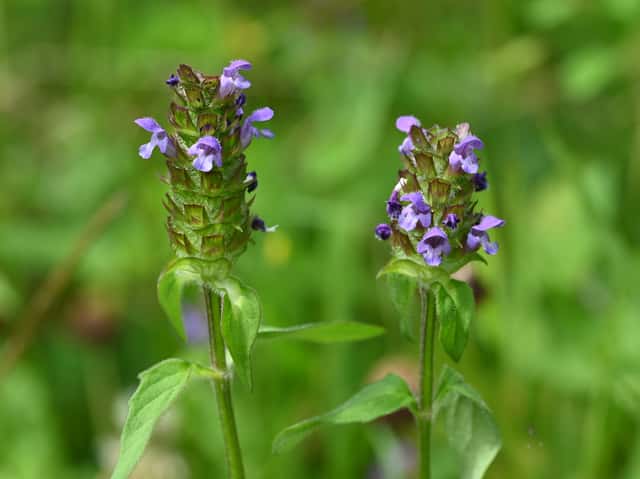
Self-Heal (Prunella vulgaris) is a easy-care plant from the Lamiaceae family. Prunella vulgaris, commonly known as self-heal or heal-all, is a low-growing perennial herb in the mint family (Lamiaceae), native to Europe, Asia, and North America. It produces dense spikes of small tubular flowers in shades of purple, pink, and white from late spring through fall, attracting bees...
Self-Heal grows up to 60cm, spread of 45cm, watering every 12 days, 5°C – 35°C, 40–70% humidity. It is not suitable for indoor environments and safe for pets.
Unlike many tropical plants, Self-Heal tolerates watering mistakes. Best for beginners. Unlike many popular species, Self-Heal is safe to keep around pets.
How to Care for Self-Heal?
TLDR: Self-Heal needs Partial shade, watering every 12 days, and temperatures between 5-35°C with 40-70% humidity.
How Often Should You Water Self-Heal?
Water when the top 3-4 inches of soil feel dry, applying enough to moisten the entire root zone. Avoid waterlogging. During hot summer periods, reduce interval to 7-10 days. Once established, plants are fairly drought-tolerant.
How Much Light Does Self-Heal Need?
Grows best in full sun to partial shade with at least 6 hours of direct sunlight daily. In hot climates, afternoon shade prevents leaf scorch. Adapts to a wide range of light conditions making it versatile in garden settings.
What Is the Best Soil for Self-Heal?
Plant in loamy, well-draining soil rich in organic matter. Ideal pH 6.0–7.5. Amend heavy clay soils with perlite or coarse sand to improve drainage and prevent root rot. Tolerates a wide range of soil types including chalk, clay, and sandy soils.
What Is Self-Heal and Where Does It Come From?
Prunella vulgaris, commonly known as self-heal or heal-all, is a low-growing perennial herb in the mint family (Lamiaceae), native to Europe, Asia, and North America. It produces dense spikes of small tubular flowers in shades of purple, pink, and white from late spring through fall, attracting bees and butterflies. The plant forms spreading mats of semi-evergreen foliage via stolons and is celebrated for its extensive medicinal and edible properties across many cultures.
How to Propagate Self-Heal?
Seed Sowing
Surface sow as seeds need light to germinate. Lightly scarify seeds before sowing to improve germination rate. Keep compost consistently moist but never waterlogged.
- 1 Sow seeds on the surface of moist, well-draining seed compost
- 2 Press seeds lightly without covering — light aids germination
- 3 Place in a warm spot with indirect light at 15-20°C (59-68°F)
- 4 Transplant seedlings when they have 4-6 true leaves
Materials needed:
Division
Divide in early spring or autumn for best results. Water the plant the day before dividing to reduce transplant stress.
- 1 Lift the plant clump carefully from the soil
- 2 Divide into smaller sections ensuring each has healthy roots
- 3 Replant divisions in enriched soil at the same depth
- 4 Water well and keep moist until established
Materials needed:
How Big Does Self-Heal Grow?
TLDR: Self-Heal can reach up to 60cm tall with Slow growth rate.
Max height
60cm
Spread
45cm
Growth rate
Slow
Foliage
Semi-evergreen
Plant Uses
Medicinal
Medicinal properties
Edible
Can be consumed
Ground Cover
Soil coverage
Ornamental
Great for decoration
Medicinal Uses
- Traditionally used for throat and mouth inflammation including sore throats and mouth ulcers
- Anti-inflammatory and immune-boosting properties documented in ethnobotanical literature
- Topical application in oils, salves, and compresses for minor wounds, bruises, and abrasions
- Used in Traditional Chinese Medicine for dizziness, red eyes, dry cough, and skin conditions
- After-meal tea for digestive support
Culinary Uses
- Young leaves eaten raw in salads
- Flowers and leaves in soups and stews
- Aerial parts brewed as a mild herbal tea
- Leaves used as a pot herb
Is your plant showing symptoms?
Click on the symptom to discover possible causes:
What Diseases Commonly Affect Self-Heal?
TLDR: Self-Heal is susceptible to 5 known diseases. Monitor regularly for early detection.
Powdery Mildew
Powdery mildew is a common fungal disease caused by various fungi species including Erysiphe, Podosphaera, Oïdium, and Leveillula. It affects over 10,000 plant species worldwide. The disease thrives in warm, dry climates with high humidity and appears as a distinctive white powdery coating on plant surfaces.
Root Rot
Root rot is a serious fungal disease that affects the root system of plants, causing them to decay and die. It is primarily caused by overwatering, poor drainage, or soil-borne fungi such as Pythium, Phytophthora, Rhizoctonia, and Fusarium. The disease thrives in waterlogged conditions where roots are deprived of oxygen, making them susceptible to fungal infection.
Aphids
Aphids are small, soft-bodied, pear-shaped insects (1/16 to 1/8 inch long) that feed by sucking nutrient-rich sap from plants. They reproduce rapidly and can quickly weaken plants, causing distorted growth and transmitting plant viruses. Aphids come in various colors including green, black, red, yellow, brown, and gray. They secrete honeydew, a sticky substance that attracts ants and encourages sooty mold growth.
Slugs and Snails
Slugs and snails are mollusks that feed on plant tissue, causing irregular holes in leaves and damage to young seedlings. They are most active at night and in moist conditions, leaving characteristic silvery slime trails. These pests can quickly devastate gardens, especially during wet seasons.
Meaning & Symbolism
Self-heal has symbolized healing, protection, and resilience across cultures for millennia. Indigenous peoples including the Cherokee, Blackfoot, and Cree used it for wound healing and throat complaints, associating it with the healing power of nature.
Fun Facts
Self-heal has been used medicinally for over 2,000 years across Europe, Asia, and the Americas
Its scientific genus name Prunella derives from the German word for a throat disease it historically treated
Indigenous peoples including the Cherokee and Blackfoot used it as a wound healer and eyewash
It is one of the few plants that is simultaneously a medicinal herb, edible plant, and attractive pollinator-friendly ground cover
Frequently asked questions
How often should I water self-heal?
Is Prunella vulgaris toxic to pets or humans?
How do I propagate self-heal?
When does self-heal bloom?
Can self-heal be invasive?
Compare with similar plants
| Attribute | Difficulty | Light | Watering | Pet Safe |
|---|---|---|---|---|
| Field Maple | Easy | Bright indirect | 14d | ✓ |
| Silver Birch | Easy | Direct sun | 14d | ✓ |
| Cushion Bush | Easy | Direct sun | 14d | ✓ |
| Peruvian peppertree | Easy | Direct sun | 14d | ⚠️ |