Cactaceae
Gymnocalycium pflanzii: Everything About Pflanz's Chin Cactus
Gymnocalycium pflanzii
Easy to grow and ideal for beginners. Prefers bright light, infrequent watering, and well-draining soil. Tolerates long dry periods and temperatures as low as 3°C. Avoid overwatering to prevent root rot.
Every 14 days
Bright indirect
3° - 38°C
20% - 50%
Categories
What is Pflanz's Chin Cactus?
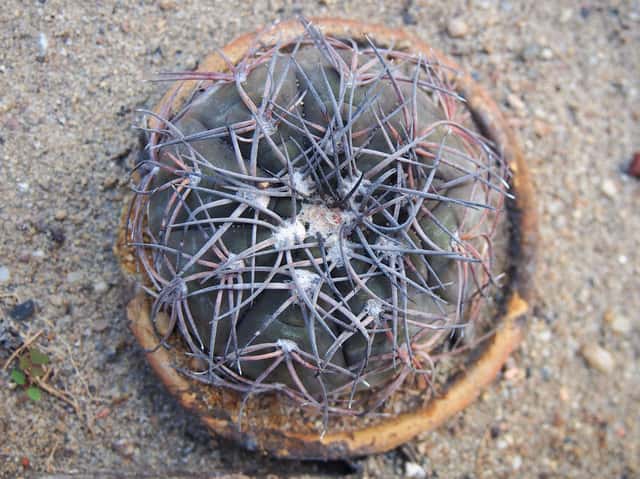
Pflanz's Chin Cactus (Gymnocalycium pflanzii) is a easy-care plant from the Cactaceae family. Gymnocalycium pflanzii is a slow-growing, globular cactus native to Bolivia and Paraguay, belonging to the Cactaceae family. It reaches approximately 15 cm in diameter and produces attractive pink, white, and orange flowers atop the plant during spring and summer. It is highly drought-tolerant and w...
Pflanz's Chin Cactus grows up to 15cm, spread of 20cm, watering every 14 days, 3°C – 38°C, 20–50% humidity. It is suitable for indoor environments and safe for pets.
Unlike many tropical plants, Pflanz's Chin Cactus tolerates watering mistakes. Best for beginners. Unlike many popular species, Pflanz's Chin Cactus is safe to keep around pets. Without adequate drainage, root rot can develop within 28 days.
How to Care for Pflanz's Chin Cactus?
TLDR: Pflanz's Chin Cactus needs Bright indirect, watering every 14 days, and temperatures between 3-38°C with 20-50% humidity.
How Often Should You Water Pflanz's Chin Cactus?
Water every 14 days in spring and summer, allowing the soil to dry completely between waterings. Reduce to monthly in autumn and withhold water almost completely through winter.
How Much Light Does Pflanz's Chin Cactus Need?
Place in a bright, sunny location or in bright indirect light. Avoid intense direct sunlight during peak summer hours to prevent scorching.
What Is the Best Soil for Pflanz's Chin Cactus?
Use cactus-specific mix with excellent drainage. Amend with perlite or coarse sand if needed. Ideal pH between 6.0 and 7.5.
What Pot Should You Use for Pflanz's Chin Cactus?
Terracotta pot with drainage hole, only slightly larger than the cactus body.
Care Schedule
Fertilize
Every 90 days
What Is Pflanz's Chin Cactus and Where Does It Come From?
Gymnocalycium pflanzii is a slow-growing, globular cactus native to Bolivia and Paraguay, belonging to the Cactaceae family. It reaches approximately 15 cm in diameter and produces attractive pink, white, and orange flowers atop the plant during spring and summer. It is highly drought-tolerant and well-adapted to arid environments.
How to Propagate Pflanz's Chin Cactus?
Seed propagation
Maintain moderate moisture until germination, then gradually reduce watering as seedlings establish.
- 1 Sow seeds in slightly moist cactus mix
- 2 Cover lightly with substrate
- 3 Maintain temperature between 20-25°C
- 4 Keep in indirect light until germination
Materials needed:
Offset division
Always plant offsets in dry soil to prevent rot at the cut site.
- 1 Wait for mature offsets to develop at the base
- 2 Remove offset carefully with clean tweezers or knife
- 3 Allow cut to callous for 2-3 days in a dry shaded area
- 4 Plant in dry cactus mix and water after 1 week
Materials needed:
How Big Does Pflanz's Chin Cactus Grow?
TLDR: Pflanz's Chin Cactus can reach up to 15cm tall with Slow growth rate.
Max height
15cm
Spread
20cm
Growth rate
Slow
Foliage
Evergreen
Plant Uses
Ornamental
Great for decoration
Is your plant showing symptoms?
Click on the symptom to discover possible causes:
What Diseases Commonly Affect Pflanz's Chin Cactus?
TLDR: Pflanz's Chin Cactus is susceptible to 7 known diseases. Monitor regularly for early detection.
Root Rot
Root rot is a serious fungal disease that affects the root system of plants, causing them to decay and die. It is primarily caused by overwatering, poor drainage, or soil-borne fungi such as Pythium, Phytophthora, Rhizoctonia, and Fusarium. The disease thrives in waterlogged conditions where roots are deprived of oxygen, making them susceptible to fungal infection.
Overwatering
Overwatering occurs when plants receive too much water, depriving roots of oxygen and causing root rot. This environmental stress is one of the most common causes of houseplant death, as waterlogged soil prevents roots from breathing and functioning properly.
Crown Rot
Crown rot is a serious fungal disease that attacks the crown (base) of the plant where the stem meets the soil. It is caused by various fungal pathogens including Phytophthora, Fusarium, and Rhizoctonia. The disease thrives in waterlogged conditions and can quickly spread to kill the entire plant if not addressed promptly.
Powdery Mildew
Powdery mildew is a common fungal disease caused by various fungi species including Erysiphe, Podosphaera, Oïdium, and Leveillula. It affects over 10,000 plant species worldwide. The disease thrives in warm, dry climates with high humidity and appears as a distinctive white powdery coating on plant surfaces.
Meaning & Symbolism
Symbolizes resilience and adaptation in harsh, unforgiving environments.
Fun Facts
Native to Bolivia and Paraguay, it is one of the most popular Gymnocalycium species in cactus collections
Flowers emerge from the crown of the cactus and can be pink, white, or orange
The genus name Gymnocalycium means "naked calyx" in Greek, referring to the bare, hairless flower bud scales
It can tolerate temperatures down to 3°C, making it hardier than many tropical cacti
Frequently asked questions
How often should I water Gymnocalycium pflanzii?
Does Gymnocalycium pflanzii need direct sunlight?
What soil should I use for Gymnocalycium pflanzii?
Is Gymnocalycium pflanzii toxic to pets?
Why is my Gymnocalycium pflanzii not flowering?
Compare with similar plants
| Attribute | Difficulty | Light | Watering | Pet Safe |
|---|---|---|---|---|
| Field Maple | Easy | Bright indirect | 14d | ✓ |
| Silver Birch | Easy | Direct sun | 14d | ✓ |
| Cushion Bush | Easy | Direct sun | 14d | ✓ |
| Peruvian peppertree | Easy | Direct sun | 14d | ⚠️ |