Cactaceae
Old Man Cactus: Low Water Needs
Espostoa lanata
A relatively easy-to-grow cactus as long as it receives plenty of sun and infrequent watering. It is quite sensitive to overwatering, so the substrate must dry out completely between waterings. It prefers dry, warm, and well-ventilated environments with porous, well-draining soil.
Every 18 days
Bright indirect
10° - 35°C
20% - 40%
Categories
What is Old Man Cactus?
Old Man Cactus (Espostoa lanata) is a medium-care plant from the Cactaceae family. Espostoa lanata, commonly known as the Old Man Cactus, is a columnar cactus native to the Andean slopes from southern Ecuador to northern Peru. Its stem is densely covered in woolly white hairs that hide sharp spines, giving it a fuzzy and ornamental appearance. In its natural habitat, it can exceed...
Old Man Cactus grows up to 7.0m, watering every 18 days, 10°C – 35°C, 20–40% humidity. It is suitable for indoor environments and safe for pets.
Unlike many popular species, Old Man Cactus is safe to keep around pets. Without adequate drainage, root rot can develop within 36 days.
How to Care for Old Man Cactus?
TLDR: Old Man Cactus needs Bright indirect, watering every 18 days, and temperatures between 10-35°C with 20-40% humidity.
How Often Should You Water Old Man Cactus?
Water only when the substrate is completely dry, every 2 to 3 weeks in spring and summer, reducing to once a month or less in fall and winter. Avoid getting the white hairs on the stem wet: water directly into the soil or by bottom-watering to prevent staining and rot.
How Much Light Does Old Man Cactus Need?
Needs full sun or very intense light, with at least 6 hours of direct sunlight daily. Indoors, place it near a sunny window; low light causes the plant to become etiolated and weakened.
What Is the Best Soil for Old Man Cactus?
Use a specific cactus substrate that is well-draining and sandy, mixing cactus soil with perlite or coarse sand and a bit of worm castings. Unglazed clay pots help prevent moisture buildup around the roots.
What Pot Should You Use for Old Man Cactus?
Prefer unglazed clay or ceramic pots with generous drainage holes, which help evaporate excess moisture and prevent root rot.
Care Schedule
Fertilize
Every 30 days
Repot
Every 1095 days
What Is Old Man Cactus and Where Does It Come From?
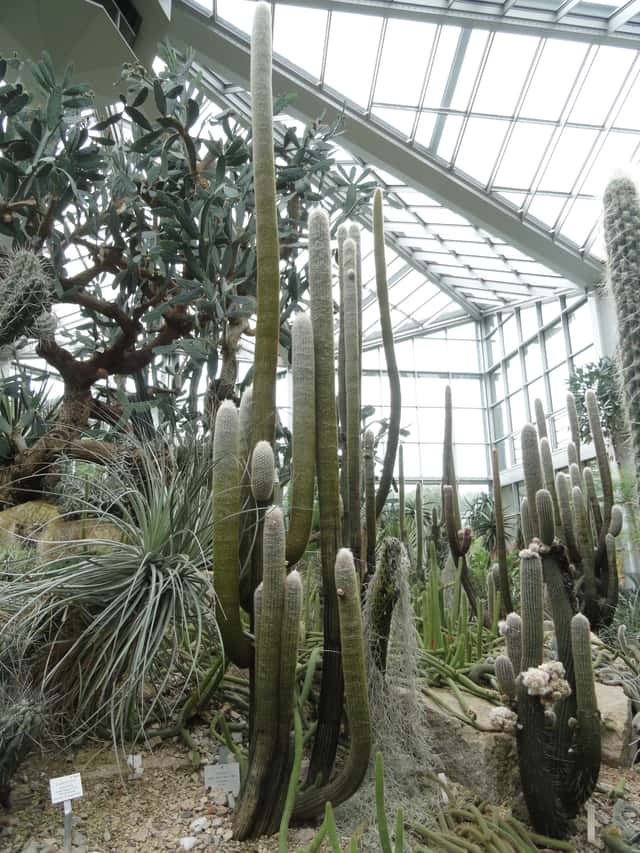
Espostoa lanata, commonly known as the Old Man Cactus, is a columnar cactus native to the Andean slopes from southern Ecuador to northern Peru. Its stem is densely covered in woolly white hairs that hide sharp spines, giving it a fuzzy and ornamental appearance. In its natural habitat, it can exceed 7 meters in height, but when grown in pots, it grows much more compactly and slowly.
How to Propagate Old Man Cactus?
How Big Does Old Man Cactus Grow?
TLDR: Old Man Cactus can reach up to 7.0m tall with Medium growth rate.
Max height
7.0m
Growth rate
Medium
Foliage
Evergreen
Plant Uses
Ornamental
Great for decoration
Is your plant showing symptoms?
Click on the symptom to discover possible causes:
What Diseases Commonly Affect Old Man Cactus?
TLDR: Old Man Cactus is susceptible to 5 known diseases. Monitor regularly for early detection.
Root Rot
Root rot is a serious fungal disease that affects the root system of plants, causing them to decay and die. It is primarily caused by overwatering, poor drainage, or soil-borne fungi such as Pythium, Phytophthora, Rhizoctonia, and Fusarium. The disease thrives in waterlogged conditions where roots are deprived of oxygen, making them susceptible to fungal infection.
Overwatering
Overwatering occurs when plants receive too much water, depriving roots of oxygen and causing root rot. This environmental stress is one of the most common causes of houseplant death, as waterlogged soil prevents roots from breathing and functioning properly.
Mealybugs
Mealybugs are small, soft-bodied insects covered with a white, waxy, cottony material. They are common pests of houseplants and outdoor plants in mild climates. These sap-sucking insects feed on plant tissue, causing damage, stunted growth, and can lead to plant death if left untreated. They produce sticky honeydew which attracts sooty mold.
Scale Insects
Scale insects are small sap-sucking pests that appear as brown, shell-like bumps on plant stems and leaves. There are over 25 species, divided into armored (hard) and unarmored (soft) scales. They feed by piercing plant tissue and extracting sap, which weakens the plant and can lead to yellowing, stunted growth, and even death if left untreated. They also excrete honeydew, which attracts ants and promotes sooty mold growth.
Meaning & Symbolism
The fuzzy appearance and resilience to the arid conditions of the Andes make Espostoa lanata a symbol of resilience and protection, associated with the wisdom and longevity evoked by its 'old man' appearance.
Compare with similar plants
| Attribute | Difficulty | Light | Watering | Pet Safe |
|---|---|---|---|---|
| Dark Fieldcap | Medium | Low light | 2d | ⚠️ |
| Azalea | Medium | Partial shade | 3d | ⚠️ |
| Bougainvillea | Medium | Direct sun | 7d | ⚠️ |
| Wild Lettuce | Medium | Direct sun | 7d | ⚠️ |




