Euphorbiaceae
Bull Nettle: Edible Plant
Cnidoscolus
Grow in full sun outdoors; this genus thrives in heat and direct sunlight. Water deeply but infrequently — allow soil to dry completely between waterings. Highly drought-tolerant once established. Avoid overwatering as roots are prone to rot in poorly drained soils. Always wear thick gloves when handling — urticating hairs on most species cause severe skin irritation. In frost-prone areas, the top growth may die back but plants regenerate from roots in spring.
Every 10 days
Direct sun
12° - 38°C
50% - 80%
Categories
What is Bull Nettle?
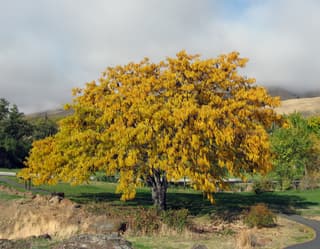
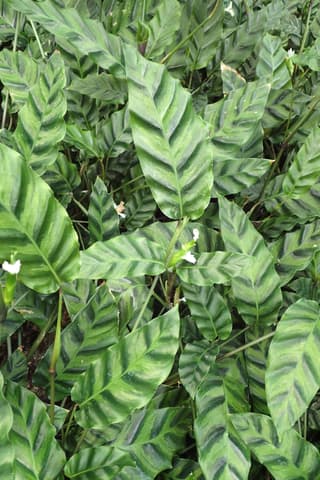
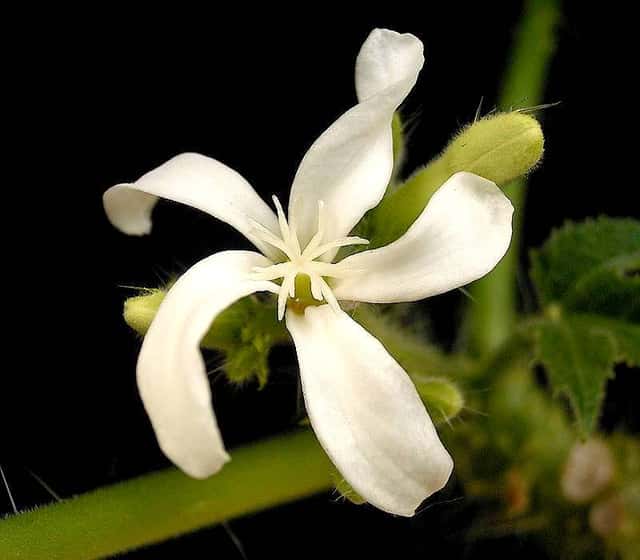
Bull Nettle (Cnidoscolus) is a medium-care plant from the Euphorbiaceae family. Cnidoscolus is a tropical and subtropical genus in the family Euphorbiaceae, native to the Americas and comprising approximately 100 species of shrubs and small trees. The genus is best known for its stinging urticating hairs (trichomes) that cover stems, leaves, and petioles in most wild species, c...
Bull Nettle grows up to 5.0m, spread of 400cm, watering every 10 days, 12°C – 38°C, 50–80% humidity. It is not suitable for indoor environments and not safe for pets.
Without precautions, ingestion can cause irritation in pets. Keep out of reach of cats and dogs.
How to Care for Bull Nettle?
TLDR: Bull Nettle needs Direct sun, watering every 10 days, and temperatures between 12-38°C with 50-80% humidity.
How Often Should You Water Bull Nettle?
Water deeply every 7-14 days during the growing season, allowing soil to dry completely between waterings. Reduce to once every 3-4 weeks in winter or during cool periods. Never allow the root zone to remain waterlogged. Drought-tolerant once established.
How Much Light Does Bull Nettle Need?
Requires full sun — minimum 6 hours of direct sunlight daily. Plants in partial shade grow leggy and produce fewer flowers. Best suited for open garden beds, xeriscaping, or tropical landscapes with unobstructed sun exposure.
What Is the Best Soil for Bull Nettle?
Tolerates a wide range of soils including sandy, loamy, and clay types, provided drainage is excellent. Prefers pH 5.5-7.5. Does not require rich soil — excessive nitrogen promotes lush foliage but may reduce flowering. Amend heavy clay soils with coarse sand or grit to improve drainage.
What Pot Should You Use for Bull Nettle?
Not recommended for container growing due to vigorous root systems and size. If grown in containers, use large (50+ litre) terracotta or unglazed ceramic pots with excellent drainage holes. Not suitable as an indoor plant.
Care Schedule
Fertilize
Every 60 days
What Is Bull Nettle and Where Does It Come From?
Cnidoscolus is a tropical and subtropical genus in the family Euphorbiaceae, native to the Americas and comprising approximately 100 species of shrubs and small trees. The genus is best known for its stinging urticating hairs (trichomes) that cover stems, leaves, and petioles in most wild species, causing intense burning and welts on contact. The milky latex sap also causes contact dermatitis. Cnidoscolus aconitifolius (Chaya or Tree Spinach) is a notable exception in cultivated forms — spineless varieties are grown across Central America as a highly nutritious leafy vegetable, with leaves containing 2-3x more protein, calcium, and iron than spinach. Leaves must be cooked for 15-20 minutes to neutralize naturally occurring cyanogenic glycosides. Other species such as C. texanus (Bull Nettle) are considered aggressive weeds in the southern United States.
How Big Does Bull Nettle Grow?
TLDR: Bull Nettle can reach up to 5.0m tall with Fast growth rate.
Max height
5.0m
Spread
4.0m
Growth rate
Fast
Foliage
Evergreen
Warning: Toxic Plant
This plant can be toxic if ingested. Keep out of reach of:
Plant Uses
Ornamental
Great for decoration
Edible
Can be consumed
Medicinal
Medicinal properties
Medicinal Uses
- Traditional use for blood glucose management in diabetic patients (documented in clinical studies)
- Anti-inflammatory properties documented in ethnobotanical research
- Used in traditional medicine for hypertension management
- Leaf decoctions used for gastrointestinal disorders
- Wound healing applications in indigenous communities
Culinary Uses
- Cooked leaves of C. aconitifolius (Chaya/Tree Spinach) used as a nutritious leafy vegetable — high in protein, calcium, iron, and vitamins A and C
- Leaves must be boiled for 15-20 minutes uncovered to neutralize cyanogenic glycosides (linamarin)
- Do NOT use aluminum pots when cooking Chaya leaves
- Seeds of C. texanus are edible when roasted
- Raw leaves of all species are toxic — never consume uncooked
Is your plant showing symptoms?
Click on the symptom to discover possible causes:
What Diseases Commonly Affect Bull Nettle?
TLDR: Bull Nettle is susceptible to 10 known diseases. Monitor regularly for early detection.
Leaf Spot
Leaf spot is a common fungal disease caused by various pathogens including Alternaria, Ascochyta, Colletotrichum, Septoria, and Venturia. It primarily affects leaves, causing discolored spots that can lead to premature leaf drop if left untreated.
Root Rot
Root rot is a serious fungal disease that affects the root system of plants, causing them to decay and die. It is primarily caused by overwatering, poor drainage, or soil-borne fungi such as Pythium, Phytophthora, Rhizoctonia, and Fusarium. The disease thrives in waterlogged conditions where roots are deprived of oxygen, making them susceptible to fungal infection.
Rust
Rust is a common fungal disease caused by fungi in the order Pucciniales that affects a wide variety of plants. The disease gets its name from the characteristic orange, yellow, or reddish-brown pustules that appear on leaves, resembling metal rust. This obligate fungal parasite requires living plants to survive and can cause significant economic losses in agricultural crops.
Powdery Mildew
Powdery mildew is a common fungal disease caused by various fungi species including Erysiphe, Podosphaera, Oïdium, and Leveillula. It affects over 10,000 plant species worldwide. The disease thrives in warm, dry climates with high humidity and appears as a distinctive white powdery coating on plant surfaces.
Meaning & Symbolism
In Mesoamerican traditions, Chaya (Cnidoscolus aconitifolius) was a sacred food plant of the Maya civilization, symbolizing sustenance, resilience, and the nourishing power of the earth. Its dual nature — armed with stinging hairs yet providing exceptional nutrition — represents the balance between protection and abundance.
Compare with similar plants
| Attribute | Difficulty | Light | Watering | Pet Safe |
|---|---|---|---|---|
| Azalea | Medium | Partial shade | 3d | ⚠️ |
| Wild Lettuce | Medium | Direct sun | 7d | ⚠️ |
| Cape Primrose | Medium | Partial shade | 7d | ✓ |
| Honey Locust | Medium | Direct sun | 14d | ✓ |