Sapindaceae
Camboata Tree: the pioneer species of the Atlantic Forest
Cupania
A slow-growing tree that thrives in full sun and fertile, slightly clayey, well-drained soil. It tolerates seasonal drought by shedding part of its foliage (semi-deciduous habit). Requires little maintenance once established, making it ideal for street planting and forest restoration projects.
Every 10 days
Bright indirect
10° - 32°C
50% - 80%
Categories
What is Camboata Tree?
Camboata Tree (Cupania) is a medium-care plant from the Sapindaceae family. Cupania is a genus of neotropical trees in the family Sapindaceae, comprising about 58 species distributed from Mexico and southern Florida through Central America, the Caribbean, and South America to northern Argentina. The best-known species, Cupania vernalis (camboata), is a semi-deciduous tree r...
Camboata Tree grows up to 20.0m, spread of 800cm, watering every 10 days, 10°C – 32°C, 50–80% humidity. It is not suitable for indoor environments and safe for pets.
Unlike many popular species, Camboata Tree is safe to keep around pets.
How to Care for Camboata Tree?
TLDR: Camboata Tree needs Bright indirect, watering every 10 days, and temperatures between 10-32°C with 50-80% humidity.
How Often Should You Water Camboata Tree?
Water regularly while young to keep soil moist; once established, it tolerates seasonal dry spells well.
How Much Light Does Camboata Tree Need?
Prefers full sun exposure; young seedlings benefit from partial shade in the nursery stage.
What Is the Best Soil for Camboata Tree?
Fertile, slightly clayey, well-draining soil with a neutral to slightly acidic pH.
What Pot Should You Use for Camboata Tree?
Large containers only during the seedling stage; this species is intended for planting in the ground, not for permanent pot culture
What Is Camboata Tree and Where Does It Come From?
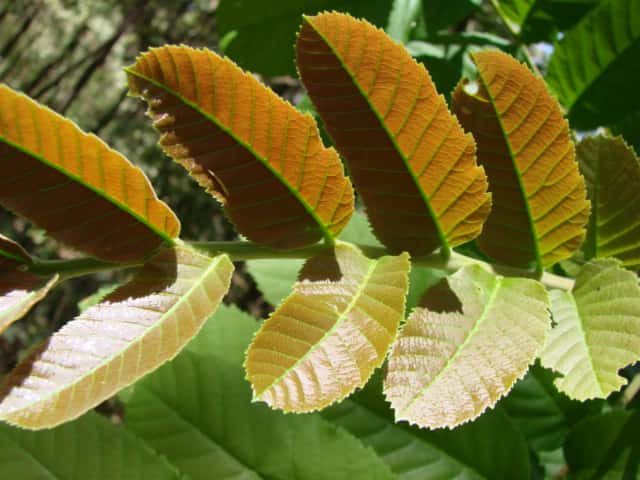
Cupania is a genus of neotropical trees in the family Sapindaceae, comprising about 58 species distributed from Mexico and southern Florida through Central America, the Caribbean, and South America to northern Argentina. The best-known species, Cupania vernalis (camboata), is a semi-deciduous tree reaching 10 to 22 meters tall with a dense, elongated crown. Its small, whitish-yellow to pale pink flowers bloom between summer and autumn and attract many pollinators. The fruits are capsules that turn from green to reddish, exposing black seeds wrapped in an orange aril that is highly attractive to birds. It is a pioneer species widely used in the restoration of degraded land and in urban tree planting.
How to Propagate Camboata Tree?
Seed sowing
Use freshly harvested seeds since germination rates are low and decline quickly with storage time. Young seedlings do not tolerate direct sun.
- 1 Collect fresh seeds, as viability drops quickly
- 2 Sow in sifted, slightly clayey substrate in a partially shaded nursery
- 3 Keep substrate moist until germination
- 4 Transplant 4-6 cm seedlings into individual containers
- 5 Keep in nursery for 8-10 months before final planting
Materials needed:
How Big Does Camboata Tree Grow?
TLDR: Camboata Tree can reach up to 20.0m tall with Slow growth rate.
Max height
20.0m
Spread
8.0m
Growth rate
Slow
Foliage
Semi-evergreen
Plant Uses
Ornamental
Great for decoration
Is your plant showing symptoms?
Click on the symptom to discover possible causes:
Meaning & Symbolism
A symbol of resilience and regeneration — a pioneer species associated with the recovery of native forests and the rebirth of the neotropical woodland.
Fun Facts
Its seeds have a bright orange aril that strongly attracts birds, which help disperse the species
It is considered a pioneer species, among the first to colonize degraded land during forest regeneration
The common name camboata is shared with freshwater fish, though there is no botanical relation
Frequently asked questions
Is the Camboata tree toxic to pets?
How long does it take for a Camboata tree to grow?
Can the Camboata tree be grown in a pot?
What is the best time to plant a Camboata tree?
Compare with similar plants
| Attribute | Difficulty | Light | Watering | Pet Safe |
|---|---|---|---|---|
| Dark Fieldcap | Medium | Low light | 2d | ⚠️ |
| Azalea | Medium | Partial shade | 3d | ⚠️ |
| Field Maple | Easy | Bright indirect | 14d | ✓ |
| Bougainvillea | Medium | Direct sun | 7d | ⚠️ |




