Campanulaceae
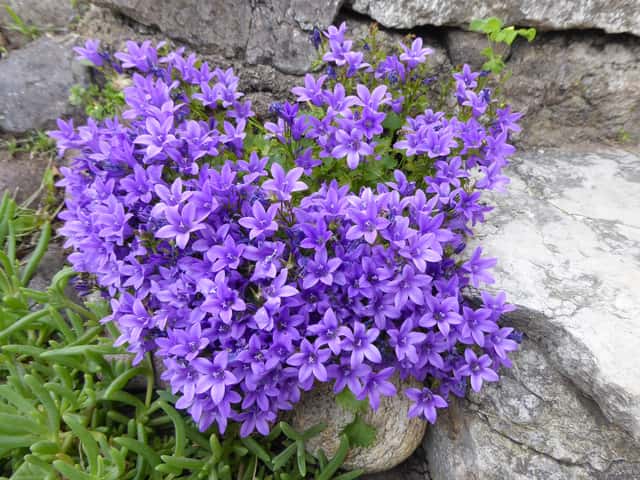
Dalmatian Bellflower (Campanula portenschlagiana)
Campanula portenschlagiana
An easy-care perennial thriving in full sun to partial shade with well-draining soil. Moderate watering, allowing the soil to partially dry between waterings. Frost-hardy down to -15°C (USDA zone 3). Deadhead spent flowers to encourage prolonged blooming. Divide clumps every few years to maintain vigor.
Every 3 days
Bright indirect
-15° - 30°C
40% - 70%
Categories
What is Dalmatian Bellflower?
Dalmatian Bellflower (Campanula portenschlagiana) is a easy-care plant from the Campanulaceae family. Campanula portenschlagiana, commonly known as the Dalmatian bellflower or wall bellflower, is a low-growing evergreen perennial native to the Dalmatian mountains of Croatia. It forms dense mats of heart-shaped leaves smothered in starry, funnel-shaped purple-blue bell flowers throughout summer. Extr...
Dalmatian Bellflower grows up to 25cm, spread of 100cm, watering every 3 days, -15°C – 30°C, 40–70% humidity. It is suitable for indoor environments and safe for pets.
Unlike many tropical plants, Dalmatian Bellflower tolerates watering mistakes. Best for beginners. Unlike many popular species, Dalmatian Bellflower is safe to keep around pets. Without adequate drainage, root rot can develop within 7 days.
How to Care for Dalmatian Bellflower?
TLDR: Dalmatian Bellflower needs Bright indirect, watering every 3 days, and temperatures between -15-30°C with 40-70% humidity.
How Often Should You Water Dalmatian Bellflower?
Water every 2-3 days during spring and summer, allowing the top layer of soil to partially dry out between waterings. Avoid waterlogging the roots, as excess moisture can cause fungal root rot. Reduce watering significantly in autumn and winter.
How Much Light Does Dalmatian Bellflower Need?
Thrives in full sun to dappled shade. In hotter climates, provide afternoon shade to prevent leaf scorch. Bright light encourages prolific flowering. Avoid deep shade, which reduces blooming.
What Is the Best Soil for Dalmatian Bellflower?
Plant in well-draining, loamy to sandy soil enriched with organic matter. Adding perlite or coarse grit improves drainage. Tolerates chalky and slightly alkaline soils. Avoid heavy clay or waterlogged conditions.
What Pot Should You Use for Dalmatian Bellflower?
Terracotta pot or alpine trough with excellent drainage holes. Hanging baskets also work well.
Care Schedule
Fertilize
Every 14 days
Misting
Every 3 days
Rotate
Every 7 days
Repot
Every 365 days
What Is Dalmatian Bellflower and Where Does It Come From?
Campanula portenschlagiana, commonly known as the Dalmatian bellflower or wall bellflower, is a low-growing evergreen perennial native to the Dalmatian mountains of Croatia. It forms dense mats of heart-shaped leaves smothered in starry, funnel-shaped purple-blue bell flowers throughout summer. Extremely vigorous and hardy, it thrives in rock gardens, walls, and as ground cover, earning the Royal Horticultural Society Award of Garden Merit.
How Big Does Dalmatian Bellflower Grow?
TLDR: Dalmatian Bellflower can reach up to 25cm tall with Medium growth rate.
Max height
25cm
Spread
1.0m
Growth rate
Medium
Foliage
Evergreen
Plant Uses
Ornamental
Great for decoration
Ground Cover
Soil coverage
Is your plant showing symptoms?
Click on the symptom to discover possible causes:
What Diseases Commonly Affect Dalmatian Bellflower?
TLDR: Dalmatian Bellflower is susceptible to 13 known diseases. Monitor regularly for early detection.
Slugs and Snails
Slugs and snails are mollusks that feed on plant tissue, causing irregular holes in leaves and damage to young seedlings. They are most active at night and in moist conditions, leaving characteristic silvery slime trails. These pests can quickly devastate gardens, especially during wet seasons.
Aphids
Aphids are small, soft-bodied, pear-shaped insects (1/16 to 1/8 inch long) that feed by sucking nutrient-rich sap from plants. They reproduce rapidly and can quickly weaken plants, causing distorted growth and transmitting plant viruses. Aphids come in various colors including green, black, red, yellow, brown, and gray. They secrete honeydew, a sticky substance that attracts ants and encourages sooty mold growth.
Spider Mites
Spider mites are tiny arachnids (less than 1/20 inch long) related to spiders and ticks that feed on plant sap. They thrive in hot, dry conditions and can cause significant damage to ornamental and vegetable plants. During severe infestations, crop losses can reach 14% or higher as these pests disrupt vital plant processes including photosynthesis, carbon dioxide absorption, and transpiration.
Thrips
Thrips are tiny cigar-shaped insects (1/25-inch long) that damage plants by sucking plant juices and scraping at fruits, flowers, and leaves. With over 6,000 species and rapid reproduction (lifecycle as short as 14 days), they can quickly infest plants and transmit viruses like tomato spotted wilt virus.
Meaning & Symbolism
Symbolizes joy, hope, and lightness.
Fun Facts
The Dalmatian bellflower has received the Royal Horticultural Society Award of Garden Merit, recognizing its outstanding garden performance.
It is native to the Dalmatian coast of Croatia, where it grows naturally in rocky crevices and on limestone walls.
A single plant can spread over 1 metre wide, forming a dense flowering mat that suppresses weeds effectively.
Its flowers attract bees and other pollinators, making it a valuable plant for wildlife-friendly gardens.
Frequently asked questions
Is the Dalmatian bellflower toxic to cats or dogs?
When does the Dalmatian bellflower bloom?
Is the Dalmatian bellflower invasive?
Can I grow it in a container?
Compare with similar plants
| Attribute | Difficulty | Light | Watering | Pet Safe |
|---|---|---|---|---|
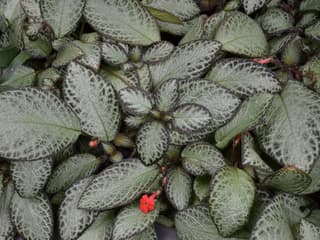
| Flame Violet | Easy | Partial shade | 7d | ✓ |
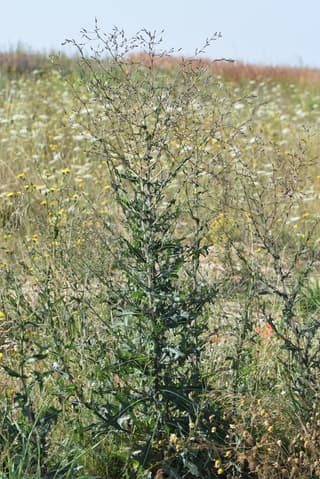
| Prickly Lettuce | Easy | Direct sun | 7d | ✓ |
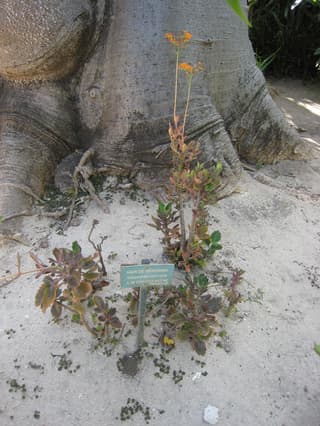
| Christmas Tree Plant | Easy | Bright indirect | 10d | ⚠️ |
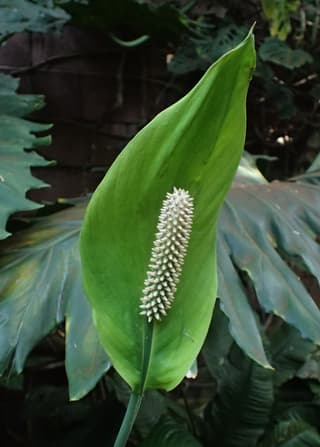
| Peace Lily | Easy | Low light | 7d | ⚠️ |