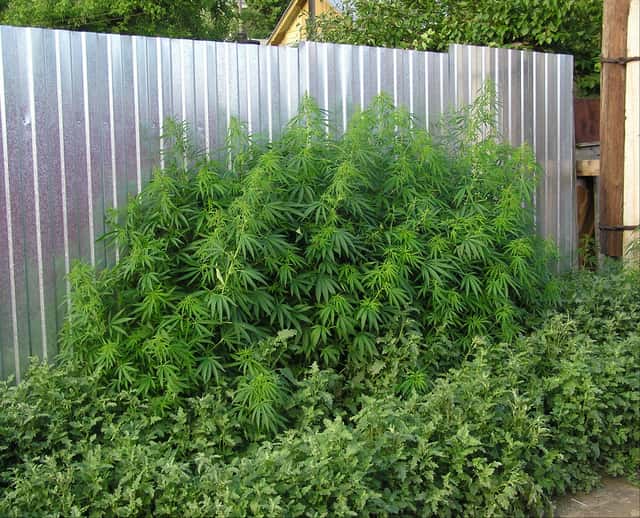
Cannabaceae
Ruderalis Cannabis (Cannabis ruderalis)
Cannabis ruderalis
Rugged and cold-hardy plant adapted to poor soils and harsh climates. Requires abundant direct sunlight, moderate watering with excellent drainage, and light, airy soil. Does not need photoperiod control to flower. Frost-tolerant but sensitive to waterlogging.
Every 4 days
Direct sun
-5° - 30°C
40% - 70%
Categories
What is Ruderalis Cannabis?
Ruderalis Cannabis (Cannabis ruderalis) is a medium-care plant from the Cannabaceae family. Cannabis ruderalis is a wild subspecies of Cannabis native to Central Asia, Russia, and Siberia. It is distinguished by its compact stature (rarely exceeding 60 cm) and its unique auto-flowering trait: it flowers based on plant maturity rather than light cycle (photoperiod). It has high CBD and low...
Ruderalis Cannabis grows up to 60cm, spread of 40cm, watering every 4 days, -5°C – 30°C, 40–70% humidity. It is not suitable for indoor environments and safe for pets.
Unlike many popular species, Ruderalis Cannabis is safe to keep around pets.
How to Care for Ruderalis Cannabis?
TLDR: Ruderalis Cannabis needs Direct sun, watering every 4 days, and temperatures between -5-30°C with 40-70% humidity.
How Often Should You Water Ruderalis Cannabis?
Water when the top layer of substrate is dry to the touch (every 3-5 days). Avoid overwatering as roots are susceptible to rot. Reduce frequency during colder periods.
How Much Light Does Ruderalis Cannabis Need?
Requires intense direct sunlight (minimum 20,000 lux). In controlled environments, thrives under 18-20 hours of light per day. Does not depend on photoperiod to initiate flowering.
What Is the Best Soil for Ruderalis Cannabis?
Prefers light, well-draining, airy substrate. Ideal pH 6.0-7.0. Naturally adapted to nutrient-poor soils typical of disturbed and arid environments in Central Asia.
What Pot Should You Use for Ruderalis Cannabis?
Terracotta or ceramic pot with large drainage holes. Avoid plastic pots that retain excessive moisture.
Care Schedule
Fertilize
Every 30 days
What Is Ruderalis Cannabis and Where Does It Come From?
Cannabis ruderalis is a wild subspecies of Cannabis native to Central Asia, Russia, and Siberia. It is distinguished by its compact stature (rarely exceeding 60 cm) and its unique auto-flowering trait: it flowers based on plant maturity rather than light cycle (photoperiod). It has high CBD and low THC content, making it the subject of significant medicinal research. IMPORTANT: cultivation and possession of Cannabis ruderalis are REGULATED in most jurisdictions and laws vary significantly by country. This is a botanical reference, not a cultivation guide.
How to Propagate Ruderalis Cannabis?
Seed Propagation
Use fresh seeds for best germination rates. Germination occurs within 5-10 days under ideal conditions.
- 1 Moisten a light, well-drained substrate
- 2 Plant seed 1-2 cm deep
- 3 Keep in a warm location (20-25°C) until germination
- 4 Expose to direct sunlight once germinated
Materials needed:
How Big Does Ruderalis Cannabis Grow?
TLDR: Ruderalis Cannabis can reach up to 60cm tall with Fast growth rate.
Max height
60cm
Spread
40cm
Growth rate
Fast
Foliage
Deciduous
Warning: Toxic Plant
This plant can be toxic if ingested. Keep out of reach of:
Plant Uses
Medicinal
Medicinal properties
Medicinal Uses
- Researched for potential treatment of anxiety, epilepsy, and depression due to high CBD content
- Used in Russian and Mongolian folk medicine for depression treatment
Is your plant showing symptoms?
Click on the symptom to discover possible causes:
What Diseases Commonly Affect Ruderalis Cannabis?
TLDR: Ruderalis Cannabis is susceptible to 7 known diseases. Monitor regularly for early detection.
Powdery Mildew
Powdery mildew is a common fungal disease caused by various fungi species including Erysiphe, Podosphaera, Oïdium, and Leveillula. It affects over 10,000 plant species worldwide. The disease thrives in warm, dry climates with high humidity and appears as a distinctive white powdery coating on plant surfaces.
Gray Mold (Botrytis Blight)
Gray mold, caused by the fungus Botrytis cinerea, is a widespread necrotrophic pathogen affecting over 1,400 plant species. It thrives in cool, humid conditions and attacks weakened or aging plant tissues, causing soft rot and characteristic gray fuzzy growth.
Root Rot
Root rot is a serious fungal disease that affects the root system of plants, causing them to decay and die. It is primarily caused by overwatering, poor drainage, or soil-borne fungi such as Pythium, Phytophthora, Rhizoctonia, and Fusarium. The disease thrives in waterlogged conditions where roots are deprived of oxygen, making them susceptible to fungal infection.
Spider Mites
Spider mites are tiny arachnids (less than 1/20 inch long) related to spiders and ticks that feed on plant sap. They thrive in hot, dry conditions and can cause significant damage to ornamental and vegetable plants. During severe infestations, crop losses can reach 14% or higher as these pests disrupt vital plant processes including photosynthesis, carbon dioxide absorption, and transpiration.
Meaning & Symbolism
Symbol of extreme resilience and adaptability, Cannabis ruderalis is scientifically valued for its auto-flowering trait and high CBD content. Cultivation and possession are REGULATED in most jurisdictions; laws vary significantly by country.
Fun Facts
Cannabis ruderalis was first scientifically described in 1924 by Russian botanist D.E. Janischewsky from specimens collected in southern Siberia
It is the only naturally auto-flowering Cannabis subspecies, blooming by maturity rather than photoperiod
Its high CBD and low THC content made it the foundation for modern medicinal cannabis variety development
It grows spontaneously on wasteland and roadsides in Russia, Mongolia, and Central Asian countries
Frequently asked questions
What makes Cannabis ruderalis different from other subspecies?
Is Cannabis ruderalis toxic to humans?
How does Cannabis ruderalis adapt to cold?
What is the scientific use of Cannabis ruderalis?
Compare with similar plants
| Attribute | Difficulty | Light | Watering | Pet Safe |
|---|---|---|---|---|
| Dark Fieldcap | Medium | Low light | 2d | ⚠️ |
| Azalea | Medium | Partial shade | 3d | ⚠️ |
| Bougainvillea | Medium | Direct sun | 7d | ⚠️ |
| Wild Lettuce | Medium | Direct sun | 7d | ⚠️ |



