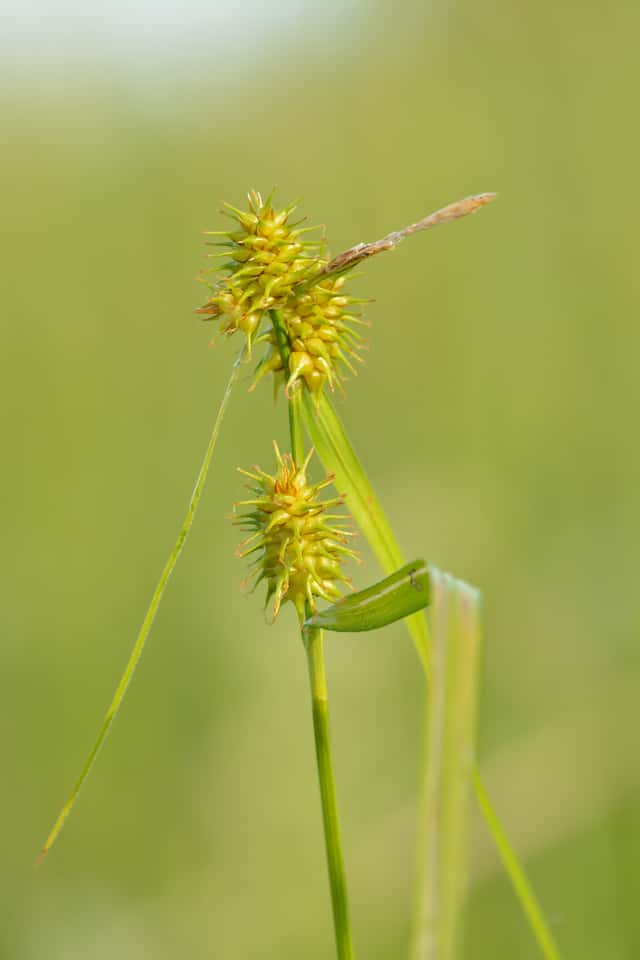
Cyperaceae
Carex Sedge: Everything About Growing and Care
Carex
Low-maintenance and highly adaptable. Prefers moist, well-drained soil, partial to full sun, and tolerates hard frosts depending on the species.
Every 7 days
Partial shade
-20° - 35°C
40% - 80%
Categories
What is Sedge?
Sedge (Carex) is a easy-care plant from the Cyperaceae family. Carex is a vast genus of sedges in the family Cyperaceae, comprising over 2,000 species worldwide. Widely grown as ornamental grasses for their graceful, arching foliage in borders, containers, and water gardens.
Sedge grows up to 1.2m, spread of 90cm, watering every 7 days, -20°C – 35°C, 40–80% humidity. It is suitable for indoor environments and safe for pets.
Unlike many tropical plants, Sedge tolerates watering mistakes. Best for beginners. Unlike many popular species, Sedge is safe to keep around pets. Without adequate drainage, root rot can develop within 14 days.
How to Care for Sedge?
TLDR: Sedge needs Partial shade, watering every 7 days, and temperatures between -20-35°C with 40-80% humidity.
How Often Should You Water Sedge?
Water when the top few centimeters of soil begin to dry slightly. Many species tolerate consistently moist soil and are ideal near water features.
How Much Light Does Sedge Need?
Thrives in full sun to partial shade. Variegated or golden-leaved varieties develop best color in brighter light.
What Is the Best Soil for Sedge?
Use rich, organic, well-drained soil that retains some moisture. pH 5.5–7.0.
What Pot Should You Use for Sedge?
Ceramic or plastic pots with good drainage; also works well in hanging baskets near water.
Care Schedule
Fertilize
Every 14 days
Misting
Every 3 days
Rotate
Every 7 days
Repot
Every 365 days
What Is Sedge and Where Does It Come From?
Carex is a vast genus of sedges in the family Cyperaceae, comprising over 2,000 species worldwide. Widely grown as ornamental grasses for their graceful, arching foliage in borders, containers, and water gardens.
How Big Does Sedge Grow?
TLDR: Sedge can reach up to 1.2m tall with Medium growth rate.
Max height
1.2m
Spread
90cm
Growth rate
Medium
Foliage
Evergreen
Plant Uses
Ornamental
Great for decoration
Ground Cover
Soil coverage
Is your plant showing symptoms?
Click on the symptom to discover possible causes:
What Diseases Commonly Affect Sedge?
TLDR: Sedge is susceptible to 6 known diseases. Monitor regularly for early detection.
Rust
Rust is a common fungal disease caused by fungi in the order Pucciniales that affects a wide variety of plants. The disease gets its name from the characteristic orange, yellow, or reddish-brown pustules that appear on leaves, resembling metal rust. This obligate fungal parasite requires living plants to survive and can cause significant economic losses in agricultural crops.
Leaf Spot
Leaf spot is a common fungal disease caused by various pathogens including Alternaria, Ascochyta, Colletotrichum, Septoria, and Venturia. It primarily affects leaves, causing discolored spots that can lead to premature leaf drop if left untreated.
Root Rot
Root rot is a serious fungal disease that affects the root system of plants, causing them to decay and die. It is primarily caused by overwatering, poor drainage, or soil-borne fungi such as Pythium, Phytophthora, Rhizoctonia, and Fusarium. The disease thrives in waterlogged conditions where roots are deprived of oxygen, making them susceptible to fungal infection.
Overwatering
Overwatering occurs when plants receive too much water, depriving roots of oxygen and causing root rot. This environmental stress is one of the most common causes of houseplant death, as waterlogged soil prevents roots from breathing and functioning properly.
Fun Facts
Carex is one of the largest genera in the plant kingdom, with over 2,000 recognized species.
Several Carex species are used in ecological restoration of wetlands and streambanks.
Though they resemble ornamental grasses, sedges belong to a completely different plant family.
Compare with similar plants
| Attribute | Difficulty | Light | Watering | Pet Safe |
|---|---|---|---|---|
| Field Maple | Easy | Bright indirect | 14d | ✓ |
| Silver Birch | Easy | Direct sun | 14d | ✓ |
| Cushion Bush | Easy | Direct sun | 14d | ✓ |
| Peruvian peppertree | Easy | Direct sun | 14d | ⚠️ |





