Lythraceae
Water Chestnut (Trapa natans)
Trapa natans
Keep submerged in still or slow-moving warm water with full sun exposure. Fast-growing and low-maintenance, though it requires monitoring to prevent uncontrolled spread.
Every 1 days
Direct sun
15° - 35°C
70% - 100%
Categories
What is Water Chestnut?
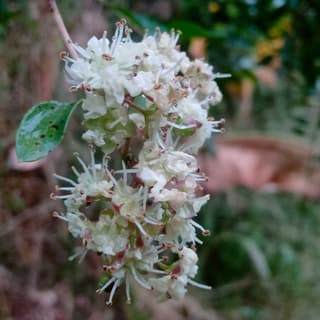
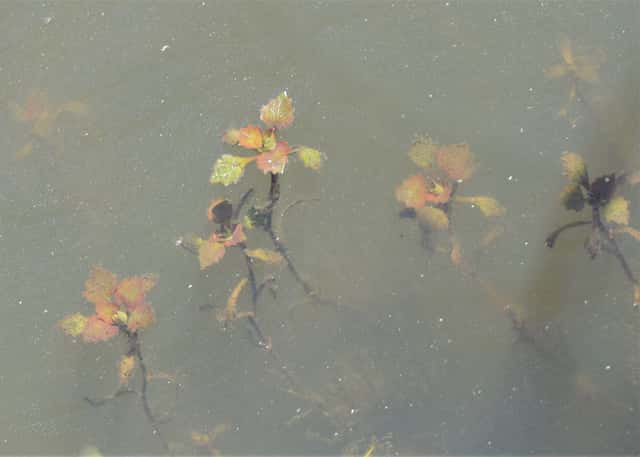
Water Chestnut (Trapa natans) is a medium-care plant from the Lythraceae family. Trapa natans, commonly known as water chestnut or water caltrop, is a floating annual aquatic plant native to Eurasia and Africa. It is recognized by its diamond-shaped floating leaves arranged in a rosette and its distinctive four-horned spiny nuts, which are edible and have been consumed by humans...
Water Chestnut grows up to 30cm, spread of 150cm, watering every 1 days, 15°C – 35°C, 70–100% humidity. It is not suitable for indoor environments and safe for pets.
Unlike many popular species, Water Chestnut is safe to keep around pets.
How to Care for Water Chestnut?
TLDR: Water Chestnut needs Direct sun, watering every 1 days, and temperatures between 15-35°C with 70-100% humidity.
How Often Should You Water Water Chestnut?
As a true aquatic plant, conventional watering does not apply. Keep it permanently in water 30–150 cm deep. Maintain water quality to prevent algae overgrowth.
How Much Light Does Water Chestnut Need?
Requires full sun (at least 6 hours of direct sunlight daily) for vigorous growth and fruiting. Tolerates partial shade but will produce fewer fruits.
What Is the Best Soil for Water Chestnut?
Prefers rich, loamy to muddy substrate at the pond bottom. Optimal pH 6.0–7.0. Dislikes calcium-rich (hard) water.
What Pot Should You Use for Water Chestnut?
Best grown in ponds, lakes, or large aquatic containers without drainage. Not suitable for conventional pots.
What Is Water Chestnut and Where Does It Come From?
Trapa natans, commonly known as water chestnut or water caltrop, is a floating annual aquatic plant native to Eurasia and Africa. It is recognized by its diamond-shaped floating leaves arranged in a rosette and its distinctive four-horned spiny nuts, which are edible and have been consumed by humans for over 3,000 years. It is considered an invasive species in North America.
How Big Does Water Chestnut Grow?
TLDR: Water Chestnut can reach up to 30cm tall with Fast growth rate.
Max height
30cm
Spread
1.5m
Growth rate
Fast
Foliage
Deciduous
Warning: Toxic Plant
This plant can be toxic if ingested. Keep out of reach of:
Plant Uses
Ornamental
Great for decoration
Edible
Can be consumed
Medicinal
Medicinal properties
Medicinal Uses
- Fruits historically used as febrifuge and for treating rheumatism and skin conditions
Culinary Uses
- Edible nuts can be eaten raw (with caution) or cooked; popular in Asian cuisine for over 3,000 years; can be dried and ground into flour
Is your plant showing symptoms?
Click on the symptom to discover possible causes:
What Diseases Commonly Affect Water Chestnut?
TLDR: Water Chestnut is susceptible to 8 known diseases. Monitor regularly for early detection.
Phytophthora Root Rot
Disease caused by fungus-like organisms (oomycetes) that live in soil and can survive for years. It affects roots, stem, and crown of plants, being especially severe in waterlogged or poorly drained soils. It is the second most common cause of root rot in trees and shrubs.
Damping Off
Damping off is a soil-borne fungal disease that affects seeds and young seedlings, causing rotting of stem and root tissues at and below the soil line. It is caused by several fungi including Pythium, Rhizoctonia, Fusarium, and Phytophthora. The disease thrives in cold, wet conditions with poor air circulation.
Alternaria Leaf Spot
Alternaria leaf spot is a common fungal disease caused by Alternaria solani and Alternaria alternata that affects a wide range of plants including tomatoes, potatoes, brassicas, and ornamentals. The disease thrives in warm, humid conditions and can cause significant crop damage if left untreated. Spores overwinter on plant debris and can attach to seeds, making complete elimination difficult.
Rust
Rust is a common fungal disease caused by fungi in the order Pucciniales that affects a wide variety of plants. The disease gets its name from the characteristic orange, yellow, or reddish-brown pustules that appear on leaves, resembling metal rust. This obligate fungal parasite requires living plants to survive and can cause significant economic losses in agricultural crops.
Meaning & Symbolism
In Asian cultures, the water chestnut symbolizes abundance, prosperity, and good fortune, featuring prominently in harvest festivals for millennia.
Fun Facts
A single plant can produce enough nuts to cover an entire pond surface in one season
Water chestnut nuts have been found in European archaeological sites over 5,000 years old
Its flowers last only a single day but the plant produces dozens throughout summer
Frequently asked questions
Is water chestnut invasive?
Are the nuts safe to eat?
Can it be grown indoors?
Compare with similar plants
| Attribute | Difficulty | Light | Watering | Pet Safe |
|---|---|---|---|---|
| Dark Fieldcap | Medium | Low light | 2d | ⚠️ |
| Azalea | Medium | Partial shade | 3d | ⚠️ |
| Bougainvillea | Medium | Direct sun | 7d | ⚠️ |
| Wild Lettuce | Medium | Direct sun | 7d | ⚠️ |