Ericaceae
Catawba Rhododendron (Rhododendron catawbiense)
Rhododendron catawbiense
Grow in partial shade with morning sun and afternoon protection. Keep soil consistently moist, acidic (pH 4.5–6.0), and rich in organic matter. Mulch heavily to protect shallow roots. Prune lightly after flowering. Fertilize with an acid-formulated fertilizer in spring.
Every 7 days
Partial shade
-32° - 32°C
30% - 60%
Categories
What is Catawba Rhododendron?
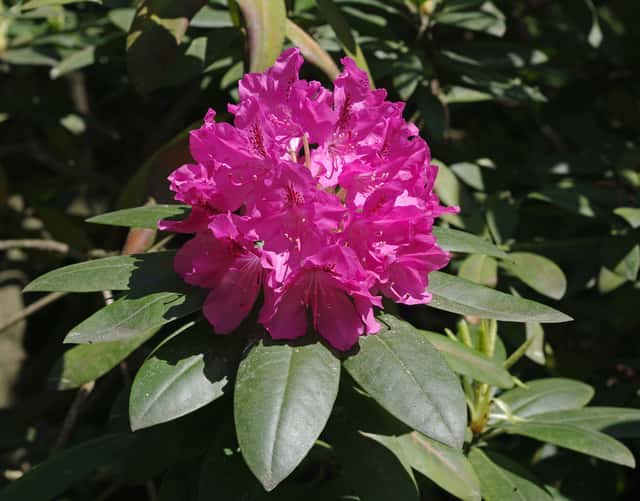
Catawba Rhododendron (Rhododendron catawbiense) is a medium-care plant from the Ericaceae family. Rhododendron catawbiense, commonly known as the Catawba Rhododendron or Mountain Rosebay, is a broadleaf evergreen shrub native to the Appalachian Mountains of the eastern United States. Celebrated for its spectacular late-spring blooms of lavender-pink to purple flowers, it is one of the hardiest r...
Catawba Rhododendron grows up to 3.0m, spread of 366cm, watering every 7 days, -32°C – 32°C, 30–60% humidity. It is not suitable for indoor environments and not safe for pets.
Without precautions, ingestion can cause irritation in pets. Keep out of reach of cats and dogs.
How to Care for Catawba Rhododendron?
TLDR: Catawba Rhododendron needs Partial shade, watering every 7 days, and temperatures between -32-32°C with 30-60% humidity.
How Often Should You Water Catawba Rhododendron?
Water deeply every 7 days, keeping soil consistently moist but never waterlogged. Avoid wetting foliage to prevent fungal diseases. Mulch around the base to retain moisture and keep roots cool.
How Much Light Does Catawba Rhododendron Need?
Thrives in dappled or partial shade — ideally receiving morning sun with protection from harsh afternoon sun. Avoid deep full shade, which reduces flowering. In cooler climates, it can tolerate more sun.
What Is the Best Soil for Catawba Rhododendron?
Plant in well-draining, acidic soil rich in organic matter (pH 4.5–6.0). Add peat moss or composted pine bark at planting. Avoid heavy clay soils and alkaline conditions, which cause leaf chlorosis.
What Pot Should You Use for Catawba Rhododendron?
Outdoor garden bed or large container with excellent drainage. Not suitable for standard indoor pots.
Care Schedule
Fertilize
Every 90 days
What Is Catawba Rhododendron and Where Does It Come From?
Rhododendron catawbiense, commonly known as the Catawba Rhododendron or Mountain Rosebay, is a broadleaf evergreen shrub native to the Appalachian Mountains of the eastern United States. Celebrated for its spectacular late-spring blooms of lavender-pink to purple flowers, it is one of the hardiest rhododendrons available, tolerating temperatures as low as -25°F. Its large, glossy, leathery leaves remain attractive year-round, making it a prized landscape specimen.
How to Propagate Catawba Rhododendron?
Stem Cutting
Ground Layering
How Big Does Catawba Rhododendron Grow?
TLDR: Catawba Rhododendron can reach up to 3.0m tall with Slow growth rate.
Max height
3.0m
Spread
3.7m
Growth rate
Slow
Foliage
Evergreen
Warning: Toxic Plant
This plant can be toxic if ingested. Keep out of reach of:
Plant Uses
Ornamental
Great for decoration
Is your plant showing symptoms?
Click on the symptom to discover possible causes:
What Diseases Commonly Affect Catawba Rhododendron?
TLDR: Catawba Rhododendron is susceptible to 13 known diseases. Monitor regularly for early detection.
Powdery Mildew
Powdery mildew is a common fungal disease caused by various fungi species including Erysiphe, Podosphaera, Oïdium, and Leveillula. It affects over 10,000 plant species worldwide. The disease thrives in warm, dry climates with high humidity and appears as a distinctive white powdery coating on plant surfaces.
Root Rot
Root rot is a serious fungal disease that affects the root system of plants, causing them to decay and die. It is primarily caused by overwatering, poor drainage, or soil-borne fungi such as Pythium, Phytophthora, Rhizoctonia, and Fusarium. The disease thrives in waterlogged conditions where roots are deprived of oxygen, making them susceptible to fungal infection.
Rust
Rust is a common fungal disease caused by fungi in the order Pucciniales that affects a wide variety of plants. The disease gets its name from the characteristic orange, yellow, or reddish-brown pustules that appear on leaves, resembling metal rust. This obligate fungal parasite requires living plants to survive and can cause significant economic losses in agricultural crops.
Leaf Spot
Leaf spot is a common fungal disease caused by various pathogens including Alternaria, Ascochyta, Colletotrichum, Septoria, and Venturia. It primarily affects leaves, causing discolored spots that can lead to premature leaf drop if left untreated.
Meaning & Symbolism
Symbolizes elegance, caution, and the beauty of wild mountain landscapes. Its spectacular blooms have made it an emblem of the Appalachian spring.
Fun Facts
The Catawba Rhododendron is sometimes called the "Iron Clad Rhododendron" because of its exceptional cold hardiness, surviving temperatures down to -25°F (-32°C).
It can live for over 100 years, making it one of the longest-lived flowering shrubs in North America.
All parts of the plant are highly toxic — even honey produced by bees foraging exclusively on its flowers can cause "honey intoxication" in humans.
It is one of the parent species used to breed hundreds of modern hybrid rhododendron cultivars.
Frequently asked questions
Is Catawba Rhododendron toxic to pets?
When does Catawba Rhododendron bloom?
How much sun does it need?
How fast does it grow?
Compare with similar plants
| Attribute | Difficulty | Light | Watering | Pet Safe |
|---|---|---|---|---|
| Azalea | Medium | Partial shade | 3d | ⚠️ |
| Wild Lettuce | Medium | Direct sun | 7d | ⚠️ |
| Cape Primrose | Medium | Partial shade | 7d | ✓ |
| Turnip | Medium | Direct sun | 3d | ✓ |