Asparagaceae
Pregnant Onion: Medicinal Uses & Care Tips
Albuca bracteata
A hardy, low-maintenance plant. It requires bright indirect light, moderate watering with good drainage, and temperatures between 10–25 °C. Allow the substrate to dry out between waterings to prevent bulb rot. During hot summers, it may enter dormancy and lose its leaves, recovering in the fall.
Every 7 days
Bright indirect
10° - 25°C
30% - 50%
Categories
What is Pregnant Onion?
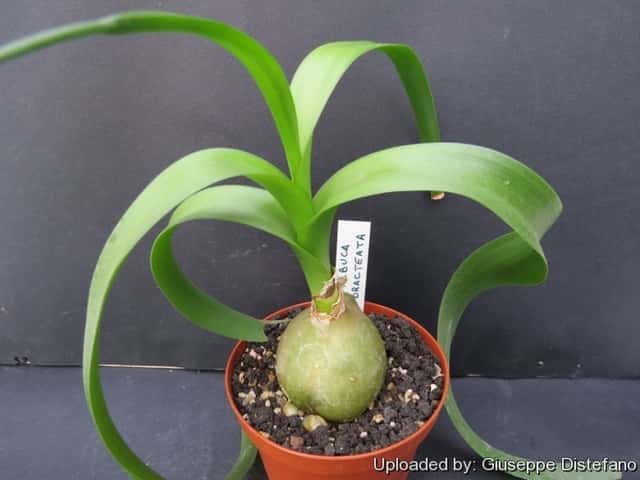
Pregnant Onion (Albuca bracteata) is a easy-care plant from the Asparagaceae family. Albuca bracteata, popularly known as the Pregnant Onion, is a perennial bulbous plant native to South Africa (Cape Provinces and KwaZulu-Natal). Its large, bright green bulb grows mostly above the substrate surface, from which arching lanceolate leaves up to 60 cm long sprout. In spring and summer,...
Pregnant Onion grows up to 90cm, watering every 7 days, 10°C – 25°C, 30–50% humidity. It is suitable for indoor environments and not safe for pets.
Unlike many tropical plants, Pregnant Onion tolerates watering mistakes. Best for beginners. Without precautions, ingestion can cause irritation in pets. Keep out of reach of cats and dogs. Without adequate drainage, root rot can develop within 14 days.
How to Care for Pregnant Onion?
TLDR: Pregnant Onion needs Bright indirect, watering every 7 days, and temperatures between 10-25°C with 30-50% humidity.
How Often Should You Water Pregnant Onion?
Water approximately once a week in spring and summer when the top 5–7 cm of the substrate are dry. Reduce watering in winter and during dormancy. Never leave the bulb in standing water; always use a pot with drainage holes. Excess moisture is the primary cause of rot.
How Much Light Does Pregnant Onion Need?
Place the plant in a spot with bright but indirect light, such as an east- or south-facing window with a sheer curtain. It tolerates some mild direct morning sun, but avoid direct midday sun which can yellow the bulb. Outdoors, place it in partial shade.
What Is the Best Soil for Pregnant Onion?
Use a very well-draining substrate: mix 50% light potting mix, 30% coarse sand or perlite, and 20% coconut coir. The ideal pH is 6.0–6.5. Leave 50% to 70% of the bulb exposed above the substrate surface to improve aeration and reduce the risk of rot.
What Pot Should You Use for Pregnant Onion?
It prefers ceramic or terracotta pots, as these materials allow moisture to evaporate and prevent waterlogging. The pot must have drainage holes and should be only slightly larger than the bulb.
Care Schedule
Fertilize
Every 30 days
What Is Pregnant Onion and Where Does It Come From?
Albuca bracteata, popularly known as the Pregnant Onion, is a perennial bulbous plant native to South Africa (Cape Provinces and KwaZulu-Natal). Its large, bright green bulb grows mostly above the substrate surface, from which arching lanceolate leaves up to 60 cm long sprout. In spring and summer, it produces long flower stalks up to 90 cm tall, topped with dense racemes of small white flowers with a green central vein. It is a popular houseplant due to its unusual appearance and ease of cultivation.
How to Propagate Pregnant Onion?
How Big Does Pregnant Onion Grow?
TLDR: Pregnant Onion can reach up to 90cm tall with Medium growth rate.
Max height
90cm
Growth rate
Medium
Foliage
Evergreen
Warning: Toxic Plant
This plant can be toxic if ingested. Keep out of reach of:
Plant Uses
Ornamental
Great for decoration
Medicinal
Medicinal properties
Medicinal Uses
- Traditional use in KwaZulu-Natal as a home protection charm (umababaza)
- Traditional use in the Eastern Cape as a treatment for diabetes
Is your plant showing symptoms?
Click on the symptom to discover possible causes:
What Diseases Commonly Affect Pregnant Onion?
TLDR: Pregnant Onion is susceptible to 4 known diseases. Monitor regularly for early detection.
Root Rot
Root rot is a serious fungal disease that affects the root system of plants, causing them to decay and die. It is primarily caused by overwatering, poor drainage, or soil-borne fungi such as Pythium, Phytophthora, Rhizoctonia, and Fusarium. The disease thrives in waterlogged conditions where roots are deprived of oxygen, making them susceptible to fungal infection.
Mealybugs
Mealybugs are small, soft-bodied insects covered with a white, waxy, cottony material. They are common pests of houseplants and outdoor plants in mild climates. These sap-sucking insects feed on plant tissue, causing damage, stunted growth, and can lead to plant death if left untreated. They produce sticky honeydew which attracts sooty mold.
Aphids
Aphids are small, soft-bodied, pear-shaped insects (1/16 to 1/8 inch long) that feed by sucking nutrient-rich sap from plants. They reproduce rapidly and can quickly weaken plants, causing distorted growth and transmitting plant viruses. Aphids come in various colors including green, black, red, yellow, brown, and gray. They secrete honeydew, a sticky substance that attracts ants and encourages sooty mold growth.
Overwatering
Overwatering occurs when plants receive too much water, depriving roots of oxygen and causing root rot. This environmental stress is one of the most common causes of houseplant death, as waterlogged soil prevents roots from breathing and functioning properly.
Meaning & Symbolism
The Pregnant Onion is a symbol of abundance, protection, and good fortune. In Feng Shui, it is considered a positive energy plant that attracts prosperity. It is recommended for offices or workspaces to promote concentration and well-being.
Compare with similar plants
| Attribute | Difficulty | Light | Watering | Pet Safe |
|---|---|---|---|---|
| Field Maple | Easy | Bright indirect | 14d | ✓ |
| Silver Birch | Easy | Direct sun | 14d | ✓ |
| Cushion Bush | Easy | Direct sun | 14d | ✓ |
| Peruvian peppertree | Easy | Direct sun | 14d | ⚠️ |