Meliaceae
Spanish Cedar (Cedrela odorata)
Cedrela odorata
Outdoor tree requiring full sun. Water every 14 days; drought-tolerant once established. Needs well-drained, slightly acidic to neutral soil. Fast-growing in tropical and subtropical climates.
Every 14 days
Direct sun
18° - 35°C
50% - 80%
Categories
What is Spanish Cedar?
Spanish Cedar (Cedrela odorata) is a medium-care plant from the Meliaceae family. Spanish Cedar (Cedrela odorata) is a majestic tropical tree in the Meliaceae family, native to the Neotropics from Mexico through Central America and the Caribbean to Argentina. Its aromatic heartwood is naturally termite- and rot-resistant, making it one of the most prized timbers in Latin America....
Spanish Cedar grows up to 40.0m, with spread of 3000cm, watering every 14 days, 18°C – 35°C, 50–80% humidity. It is not suitable for indoor environments and safe for pets.
Unlike many popular species, Spanish Cedar is safe to keep around pets.
How to Care for Spanish Cedar?
TLDR: Spanish Cedar needs Direct sun, watering every 14 days, and temperatures between 18-35°C with 50-80% humidity.
How Often Should You Water Spanish Cedar?
Water every 14 days on average, allowing soil to dry between waterings. Very drought-tolerant once established. Avoid waterlogging — roots are sensitive to standing water.
How Much Light Does Spanish Cedar Need?
Requires full sun (at least 6-8 hours of direct light per day). Shade limits growth and affects the tree's characteristic straight trunk development.
What Is the Best Soil for Spanish Cedar?
Prefers well-drained, fertile soil, slightly acidic to neutral (pH 5.5–7.5). Tolerates clay and limestone soils but cannot survive waterlogged or flooded conditions.
What Pot Should You Use for Spanish Cedar?
Large container or direct in-ground planting. Young trees can be grown in 40-60L pots with good drainage. In gardens, plant directly in the ground with ample space.
Care Schedule
Fertilize
Every 90 days
What Is Spanish Cedar and Where Does It Come From?
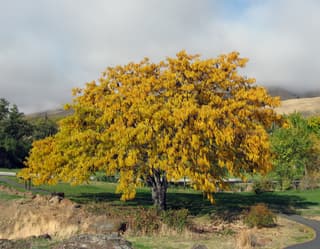
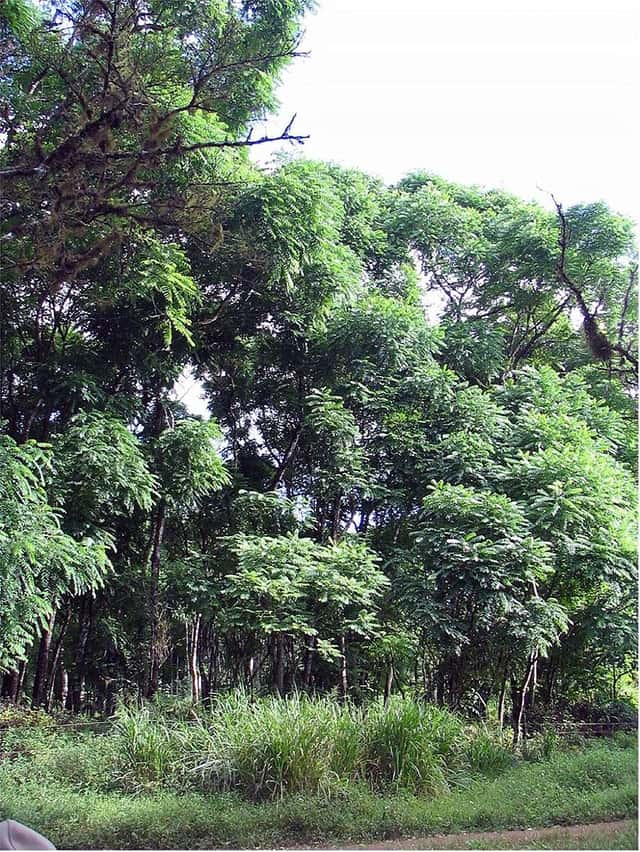
Spanish Cedar (Cedrela odorata) is a majestic tropical tree in the Meliaceae family, native to the Neotropics from Mexico through Central America and the Caribbean to Argentina. Its aromatic heartwood is naturally termite- and rot-resistant, making it one of the most prized timbers in Latin America. The tree is also valued for reforestation, agroforestry, and traditional medicine.
How Big Does Spanish Cedar Grow?
TLDR: Spanish Cedar can reach up to 40.0m tall with Fast growth rate.
Max height
40.0m
Spread
30.0m
Growth rate
Fast
Foliage
Semi-evergreen
Plant Uses
Ornamental
Great for decoration
Aromatic
Pleasant fragrance
Medicinal
Medicinal properties
Medicinal Uses
- Bark used in traditional medicine as antipyretic and antimalarial
- Essential oil with antimicrobial properties
- Leaf infusions used to treat respiratory conditions
Is your plant showing symptoms?
Click on the symptom to discover possible causes:
What Diseases Commonly Affect Spanish Cedar?
TLDR: Spanish Cedar is susceptible to 6 known diseases. Monitor regularly for early detection.
Damping Off
Damping off is a soil-borne fungal disease that affects seeds and young seedlings, causing rotting of stem and root tissues at and below the soil line. It is caused by several fungi including Pythium, Rhizoctonia, Fusarium, and Phytophthora. The disease thrives in cold, wet conditions with poor air circulation.
Root Rot
Root rot is a serious fungal disease that affects the root system of plants, causing them to decay and die. It is primarily caused by overwatering, poor drainage, or soil-borne fungi such as Pythium, Phytophthora, Rhizoctonia, and Fusarium. The disease thrives in waterlogged conditions where roots are deprived of oxygen, making them susceptible to fungal infection.
Mosaic Virus
Mosaic virus is a group of plant viruses that cause mottled, patchy patterns on leaves and can affect a wide variety of plants. The virus creates characteristic yellow, white, and green mosaic patterns, often accompanied by stunted growth and deformed plant parts. This highly contagious disease spreads rapidly through insect vectors and contaminated tools.
Anthracnose
Anthracnose is a fungal disease caused by fungi in the genus Colletotrichum that affects many plants, including vegetables, fruits, and trees. The disease thrives in cool, wet conditions, causing dark, sunken lesions on leaves, stems, flowers, and fruits.
Meaning & Symbolism
Symbol of resilience and natural heritage in Latin America. The aromatic cedar wood represents durability and protection, associated with sustainable forestry and the preservation of Neotropical biodiversity.
Fun Facts
Spanish Cedar wood is so aromatic it was widely used to make cigar boxes, giving it the name "cigar-box cedar"
The tree can grow more than 1 meter per year under ideal conditions
It is listed as Vulnerable on the IUCN Red List due to over-exploitation for timber
In the Galápagos Islands, Spanish Cedar has become invasive, interfering with giant tortoise migration routes
Frequently asked questions
Can Spanish Cedar be grown in a pot?
Does Spanish Cedar wood have a distinctive smell?
Is Spanish Cedar drought-tolerant?
Compare with similar plants
| Attribute | Difficulty | Light | Watering | Pet Safe |
|---|---|---|---|---|
| Azalea | Medium | Partial shade | 3d | ⚠️ |
| Wild Lettuce | Medium | Direct sun | 7d | ⚠️ |
| Cape Primrose | Medium | Partial shade | 7d | ✓ |
| Honey Locust | Medium | Direct sun | 14d | ✓ |