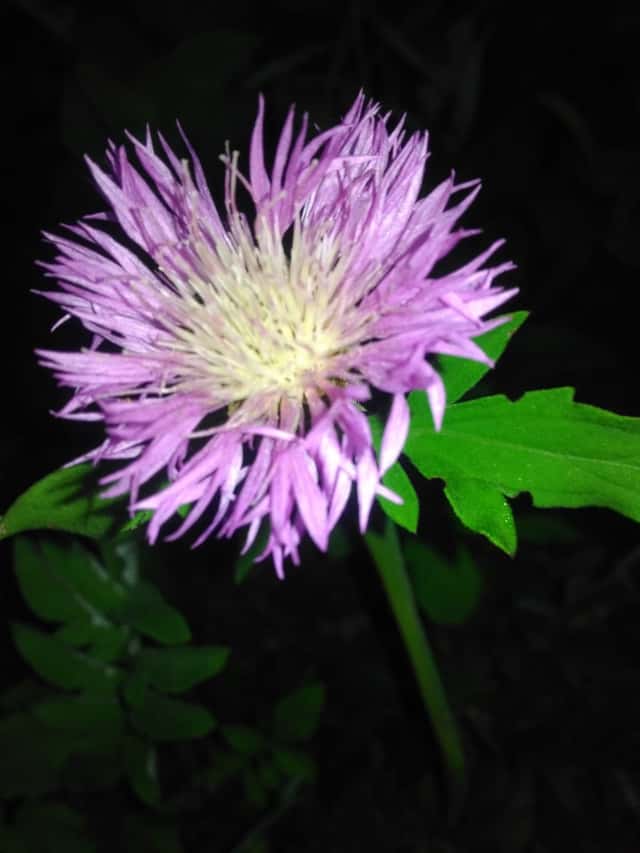
Asteraceae
Persian Cornflower: Full Sun Plant
Psephellus dealbatus
Requires full sun (at least 6 hours of direct light daily). Once established, it is drought-tolerant—water only when the top layer of soil dries out. Avoid waterlogged, wet soil, especially during winter. Lean, well-aerated soil with low nitrogen content is ideal. Do not over-fertilize, as this causes floppy stems.
Every 10 days
Direct sun
-40° - 30°C
30% - 60%
Categories
What is Persian Cornflower?
Persian Cornflower (Psephellus dealbatus) is a easy-care plant from the Asteraceae family. Psephellus dealbatus (Persian cornflower) is an exceptionally hardy perennial native to the mountain regions of the Caucasus, suitable for cultivation in USDA zones 3–9b. It is characterized by deeply lobed, gray-green leaves with silvery-tomentose undersides, which provide a decorative appearance e...
Persian Cornflower grows up to 70cm, spread of 60cm, watering every 10 days, -40°C – 30°C, 30–60% humidity. It is not suitable for indoor environments and safe for pets.
Unlike many tropical plants, Persian Cornflower tolerates watering mistakes. Best for beginners. Unlike many popular species, Persian Cornflower is safe to keep around pets.
How to Care for Persian Cornflower?
TLDR: Persian Cornflower needs Direct sun, watering every 10 days, and temperatures between -40-30°C with 30-60% humidity.
How Often Should You Water Persian Cornflower?
Water weekly during the first season to ensure steady establishment. Once established, watering every 10 days or when the top 2–3 cm of soil dries out is sufficient. Avoid wet, waterlogged soil in winter, as crown rot is the most common cause of plant death.
How Much Light Does Persian Cornflower Need?
Requires full sun: a minimum of 6 hours of direct sunlight daily is necessary for vigorous blooming. It can survive in partial shade, but it will produce fewer flowers and the stems may become leggy.
What Is the Best Soil for Persian Cornflower?
Well-drained, lean-loamy, or calcareous soil is ideal, with a pH between 6.5 and 7.5. Avoid nutrient-rich, heavy soil, as this leads to floppy stems and fewer blooms. If dealing with clay or water-retaining soil, improve it with gritty sand or gravel.
What Pot Should You Use for Persian Cornflower?
Primarily a garden plant, but it can be planted in large (at least 30–40 cm in diameter), well-draining pots deep enough for its roots. Ceramic or terracotta pots are recommended for better aeration and moisture control.
Care Schedule
Fertilize
Every 60 days
What Is Persian Cornflower and Where Does It Come From?
Psephellus dealbatus (Persian cornflower) is an exceptionally hardy perennial native to the mountain regions of the Caucasus, suitable for cultivation in USDA zones 3–9b. It is characterized by deeply lobed, gray-green leaves with silvery-tomentose undersides, which provide a decorative appearance even in winter. In early summer, it produces striking, fringe-petaled flowers in shades of pinkish-lavender that are excellent for attracting bees and butterflies. It performs best in poor, well-drained soil; in rich, moist soil, it tends to flop and is prone to crown rot.
How Big Does Persian Cornflower Grow?
TLDR: Persian Cornflower can reach up to 70cm tall with Medium growth rate.
Max height
70cm
Spread
60cm
Growth rate
Medium
Foliage
Deciduous
Plant Uses
Ornamental
Great for decoration
Medicinal
Medicinal properties
Medicinal Uses
- In traditional Caucasian medicine, members of the Centaurea/Psephellus genus were used as anti-inflammatory and wound-healing agents. Specific, scientifically documented medicinal data regarding P. dealbatus is limited.
Is your plant showing symptoms?
Click on the symptom to discover possible causes:
What Diseases Commonly Affect Persian Cornflower?
TLDR: Persian Cornflower is susceptible to 6 known diseases. Monitor regularly for early detection.
Powdery Mildew
Powdery mildew is a common fungal disease caused by various fungi species including Erysiphe, Podosphaera, Oïdium, and Leveillula. It affects over 10,000 plant species worldwide. The disease thrives in warm, dry climates with high humidity and appears as a distinctive white powdery coating on plant surfaces.
Root Rot
Root rot is a serious fungal disease that affects the root system of plants, causing them to decay and die. It is primarily caused by overwatering, poor drainage, or soil-borne fungi such as Pythium, Phytophthora, Rhizoctonia, and Fusarium. The disease thrives in waterlogged conditions where roots are deprived of oxygen, making them susceptible to fungal infection.
Gray Mold (Botrytis Blight)
Gray mold, caused by the fungus Botrytis cinerea, is a widespread necrotrophic pathogen affecting over 1,400 plant species. It thrives in cool, humid conditions and attacks weakened or aging plant tissues, causing soft rot and characteristic gray fuzzy growth.
Aphids
Aphids are small, soft-bodied, pear-shaped insects (1/16 to 1/8 inch long) that feed by sucking nutrient-rich sap from plants. They reproduce rapidly and can quickly weaken plants, causing distorted growth and transmitting plant viruses. Aphids come in various colors including green, black, red, yellow, brown, and gray. They secrete honeydew, a sticky substance that attracts ants and encourages sooty mold growth.
Meaning & Symbolism
A symbol of resilient beauty and perseverance under harsh conditions. Native to the rocky mountains of the Caucasus, this plant represents the triumph of nature. Within the cornflower lineage, pink flowers express tenderness and affection.
Compare with similar plants
| Attribute | Difficulty | Light | Watering | Pet Safe |
|---|---|---|---|---|
| Field Maple | Easy | Bright indirect | 14d | ✓ |
| Silver Birch | Easy | Direct sun | 14d | ✓ |
| Cushion Bush | Easy | Direct sun | 14d | ✓ |
| Wild Lettuce | Medium | Direct sun | 7d | ⚠️ |





