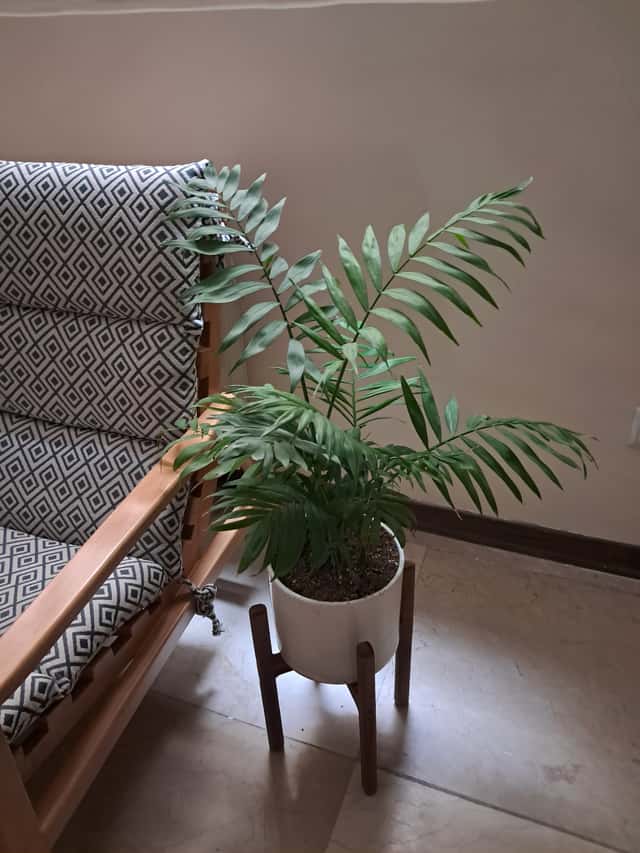
Arecaceae
Parlor Palm (Chamaedorea): Complete Care Guide
Chamaedorea
Easy-care houseplant ideal for low-light interiors. Water weekly, place in indirect light, maintain moderate-high humidity, and keep temperatures between 50-80F. Use well-draining palm potting mix.
Every 7 days
Low light
10° - 27°C
50% - 80%
Categories
What is Parlor Palm?
Parlor Palm (Chamaedorea) is a easy-care plant from the Arecaceae family. Chamaedorea is a genus of about 110 species of understory palms native to the tropical rainforests of Central America and Mexico. The most famous member, Chamaedorea elegans (Parlor Palm), is one of the world's most popular houseplants, celebrated for its graceful arching fronds and remarkable toler...
Parlor Palm grows up to 1.8m, spread of 90cm, watering every 7 days, 10°C – 27°C, 50–80% humidity. It is suitable for indoor environments and safe for pets.
Unlike many tropical plants, Parlor Palm tolerates watering mistakes. Best for beginners. Unlike many popular species, Parlor Palm is safe to keep around pets. Without adequate drainage, root rot can develop within 14 days.
How to Care for Parlor Palm?
TLDR: Parlor Palm needs Low light, watering every 7 days, and temperatures between 10-27°C with 50-80% humidity.
How Often Should You Water Parlor Palm?
Water your Parlor Palm approximately once a week in summer and every 10-15 days in winter. Allow the top inch of soil to dry out between waterings. Avoid waterlogged conditions which cause root rot.
How Much Light Does Parlor Palm Need?
Place in bright, indirect light or medium to low light. One of the few palms that genuinely thrives in low-light environments. Avoid direct sun exposure which scorches the delicate fronds.
What Is the Best Soil for Parlor Palm?
Use a well-draining potting mix — a quality palm mix or general indoor soil amended with perlite works well. Ensure the pH is between 5.5-7.0 and always use a pot with drainage holes.
What Pot Should You Use for Parlor Palm?
Terracotta or ceramic pot with drainage holes. Avoid plastic pots without drainage. Choose a pot only slightly larger than the root ball to prevent overwatering issues.
Care Schedule
Fertilize
Every 30 days
Misting
Every 4 days
Rotate
Every 30 days
Repot
Every 730 days
What Is Parlor Palm and Where Does It Come From?
Chamaedorea is a genus of about 110 species of understory palms native to the tropical rainforests of Central America and Mexico. The most famous member, Chamaedorea elegans (Parlor Palm), is one of the world's most popular houseplants, celebrated for its graceful arching fronds and remarkable tolerance of low-light indoor conditions.
How to Propagate Parlor Palm?
Clump Division
Only divide when the plant is well-established with multiple stems. Always use sterilized tools to prevent infection. Spring is the ideal time as the plant enters active growth.
- 1 Remove the plant from its pot carefully in spring
- 2 Identify offsets or side shoots with healthy root systems
- 3 Separate shoots from the mother plant with clean, sharp scissors
- 4 Plant each division in an individual pot with well-draining mix
- 5 Keep moist and in a warm spot with indirect light until established
Materials needed:
Seed Propagation
Fresh seeds are essential for success. Chamaedorea seeds lose viability quickly. Maintain consistent warmth and humidity during germination.
- 1 Obtain fresh Chamaedorea seeds (viability decreases rapidly)
- 2 Soak seeds in warm water for 24-48 hours
- 3 Sow in moist germination mix at 70-85F
- 4 Keep substrate moist in a warm, bright location
- 5 Wait for germination which can take weeks to several months
Materials needed:
How Big Does Parlor Palm Grow?
TLDR: Parlor Palm can reach up to 1.8m tall with Slow growth rate.
Max height
1.8m
Spread
90cm
Growth rate
Slow
Foliage
Evergreen
Plant Uses
Ornamental
Great for decoration
Air Purifying
Improves air quality
Is your plant showing symptoms?
Click on the symptom to discover possible causes:
What Diseases Commonly Affect Parlor Palm?
TLDR: Parlor Palm is susceptible to 7 known diseases. Monitor regularly for early detection.
Root Rot
Root rot is a serious fungal disease that affects the root system of plants, causing them to decay and die. It is primarily caused by overwatering, poor drainage, or soil-borne fungi such as Pythium, Phytophthora, Rhizoctonia, and Fusarium. The disease thrives in waterlogged conditions where roots are deprived of oxygen, making them susceptible to fungal infection.
Spider Mites
Spider mites are tiny arachnids (less than 1/20 inch long) related to spiders and ticks that feed on plant sap. They thrive in hot, dry conditions and can cause significant damage to ornamental and vegetable plants. During severe infestations, crop losses can reach 14% or higher as these pests disrupt vital plant processes including photosynthesis, carbon dioxide absorption, and transpiration.
Mealybugs
Mealybugs are small, soft-bodied insects covered with a white, waxy, cottony material. They are common pests of houseplants and outdoor plants in mild climates. These sap-sucking insects feed on plant tissue, causing damage, stunted growth, and can lead to plant death if left untreated. They produce sticky honeydew which attracts sooty mold.
Scale Insects
Scale insects are small sap-sucking pests that appear as brown, shell-like bumps on plant stems and leaves. There are over 25 species, divided into armored (hard) and unarmored (soft) scales. They feed by piercing plant tissue and extracting sap, which weakens the plant and can lead to yellowing, stunted growth, and even death if left untreated. They also excrete honeydew, which attracts ants and promotes sooty mold growth.
Meaning & Symbolism
Symbol of elegance, peace, and longevity. In Mexico, Chamaedorea leaves (known as xate) are harvested for use in floral arrangements and Day of the Dead ceremonies.
Fun Facts
The Chamaedorea genus contains around 110 species, making it one of the largest palm genera in the world.
Parlor Palms were hugely popular in Victorian England, adorning the parlors of wealthy homes — hence their common name.
In Mexico, Chamaedorea leaves (called xate) are a significant export crop, harvested from wild populations for the global floral industry.
NASA included Chamaedorea elegans in its Clean Air Study as one of the most effective plants for filtering indoor air pollutants.
Frequently asked questions
How often should I water my Parlor Palm?
Is the Parlor Palm safe for cats and dogs?
Can a Parlor Palm survive in low light?
Why are my Parlor Palm leaf tips turning brown?
How fast does a Parlor Palm grow?
Compare with similar plants
| Attribute | Difficulty | Light | Watering | Pet Safe |
|---|---|---|---|---|
| Field Maple | Easy | Bright indirect | 14d | ✓ |
| Silver Birch | Easy | Direct sun | 14d | ✓ |
| Common Blanketflower | Easy | Direct sun | 10d | ✓ |
| Cushion Bush | Easy | Direct sun | 14d | ✓ |





