Solanaceae
Chili pepper: Edible Plant
Capsicum annuum
Requires full sun for at least 6 hours daily, nutrient-rich soil, and regular watering to maintain fruit productivity.
Every 3 days
Direct sun
13° - 29°C
40% - 70%
Categories
What is Chili pepper?
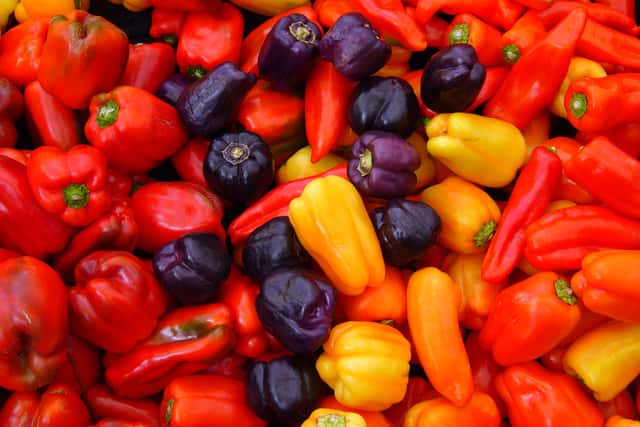
Chili pepper (Capsicum annuum) is a easy-care plant from the Solanaceae family. Capsicum annuum is an extremely versatile species that includes everything from sweet bell peppers to spicy peppers like Jalapeño and Cayenne. It is a perennial shrubby plant in tropical climates but is often grown as an annual in cooler regions. Its flowers are small and white, giving rise to fruit...
Chili pepper grows up to 1.2m, spread of 45cm, watering every 3 days, 13°C – 29°C, 40–70% humidity. It is suitable for indoor environments and safe for pets.
Unlike many tropical plants, Chili pepper tolerates watering mistakes. Best for beginners. Unlike many popular species, Chili pepper is safe to keep around pets. Without adequate drainage, root rot can develop within 7 days.
How to Care for Chili pepper?
TLDR: Chili pepper needs Direct sun, watering every 3 days, and temperatures between 13-29°C with 40-70% humidity.
How Often Should You Water Chili pepper?
Water whenever the top layer of soil feels dry. Avoid wetting the leaves and flowers to prevent fungi; focus watering at the base of the plant.
How Much Light Does Chili pepper Need?
A lack of direct light will result in few fruits and weak stems. If grown indoors, use south-facing windows or grow lights.
What Is the Best Soil for Chili pepper?
Prefer a well-drained substrate, rich in organic matter and with a slightly acidic pH. Avoid excessively compact soils.
What Pot Should You Use for Chili pepper?
Ceramic or terracotta pots with excellent drainage, with a minimum capacity of 10 liters for full development.
Care Schedule
Fertilize
Every 14 days
Misting
Every 3 days
Rotate
Every 7 days
Repot
Every 365 days
What Is Chili pepper and Where Does It Come From?
Capsicum annuum is an extremely versatile species that includes everything from sweet bell peppers to spicy peppers like Jalapeño and Cayenne. It is a perennial shrubby plant in tropical climates but is often grown as an annual in cooler regions. Its flowers are small and white, giving rise to fruits that vary drastically in color, size, and capsaicin level.
How to Propagate Chili pepper?
Sowing
- Use lukewarm water for the first waterings
- Transplant to the permanent location when the seedling has 4 to 6 true leaves
- 1 Seed Preparation
Remove the seeds from a ripe fruit and let them dry in the shade for 24 hours.
- 2 Planting
Sow in light substrate at a depth of 0.5 cm in seed trays or small pots.
- 3 Moisture and Heat
Keep the soil constantly moist and in a warm place (above 20°C) until the seedlings emerge.
Materials needed:
Stem Cuttings
- Keep in bright indirect light until roots form
- Avoid cold drafts during the process
- 1 Branch Cutting
Cut a healthy, firm branch approximately 12 cm long, preferably without flowers.
- 2 Preparation
Remove the lower leaves and dip the base in rooting hormone if available.
- 3 Rooting
Plant in a pot with moist sand or perlite and cover with a plastic bag to maintain high humidity.
Materials needed:
How Big Does Chili pepper Grow?
TLDR: Chili pepper can reach up to 1.2m tall with Fast growth rate.
Max height
1.2m
Spread
45cm
Growth rate
Fast
Foliage
Deciduous
Plant Uses
Edible
Can be consumed
Ornamental
Great for decoration
Medicinal
Medicinal properties
Medicinal Uses
- Relief of muscle and joint pain
- Antioxidant properties
- Aid in digestion and metabolism
Culinary Uses
- Fresh consumption
- Dried and powdered seasonings
- Sauces and preserves
- Pepper jellies
Is your plant showing symptoms?
Click on the symptom to discover possible causes:
What Diseases Commonly Affect Chili pepper?
TLDR: Chili pepper is susceptible to 22 known diseases. Monitor regularly for early detection.
Aphids
Aphids are small, soft-bodied, pear-shaped insects (1/16 to 1/8 inch long) that feed by sucking nutrient-rich sap from plants. They reproduce rapidly and can quickly weaken plants, causing distorted growth and transmitting plant viruses. Aphids come in various colors including green, black, red, yellow, brown, and gray. They secrete honeydew, a sticky substance that attracts ants and encourages sooty mold growth.
Anthracnose
Anthracnose is a fungal disease caused by fungi in the genus Colletotrichum that affects many plants, including vegetables, fruits, and trees. The disease thrives in cool, wet conditions, causing dark, sunken lesions on leaves, stems, flowers, and fruits.
Bacterial Leaf Spot
Bacterial leaf spot is a plant disease caused by bacteria in the Xanthomonas and Pseudomonas genera that affects various ornamental and edible plants. The bacteria infect leaves through wounds or natural openings, causing characteristic lesions that can lead to premature leaf drop and plant weakening.
Phytophthora Blight
Devastating fungal disease caused by Phytophthora species (primarily P. capsici and P. infestans), famously responsible for the Irish Potato Famine in the 1840s. Affects all plant parts including roots, stems, leaves, and fruits in warm, wet conditions. The pathogen is technically an oomycete (water mold) that thrives in saturated soils and can survive in soil for 5+ years.
Meaning & Symbolism
Popularly used as a protection amulet against the 'evil eye' and negative energies in various cultures.
Compare with similar plants
| Attribute | Difficulty | Light | Watering | Pet Safe |
|---|---|---|---|---|
| Field Maple | Easy | Bright indirect | 14d | ✓ |
| Silver Birch | Easy | Direct sun | 14d | ✓ |
| Common Blanketflower | Easy | Direct sun | 10d | ✓ |
| Cushion Bush | Easy | Direct sun | 14d | ✓ |





