
Chili pepper Prone to Tomato Spotted Wilt Virus (TSWV): How to Protect
Capsicum annuum
Tomato Spotted Wilt Virus (TSWV) on Chili pepper: What to Know?
Tomato Spotted Wilt Virus (TSWV) on Chili pepper (Capsicum annuum) is a viral condition with critical severity. Chili pepper has high susceptibility to this disease. Tomato Spotted Wilt Virus (TSWV) is one of the most devastating viral diseases affecting over 1,000 plant species across 85 families. It is transmitted by thrips and cannot be cured once a plant is in...
Chili pepper is a easy-care plant. Recovery from Tomato Spotted Wilt Virus (TSWV) takes approximately 90 days with proper treatment. As an indoor plant, ensure good ventilation to aid recovery.
Chili pepper is highly susceptible to Tomato Spotted Wilt Virus (TSWV), unlike most plants in the same family. Without early intervention, recovery takes 135 days instead of 90 days.
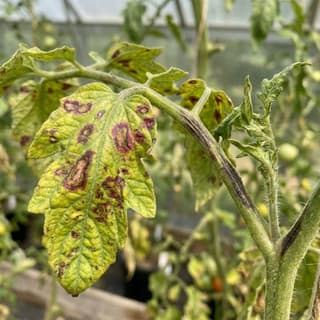
🔍 What Does Tomato Spotted Wilt Virus (TSWV) Look Like on Chili pepper?
- • Bronze appearance on upper leaves
- • Small brown necrotic spots and lesions
- • Chlorotic yellow ring spots on foliage
- • Wilting or drooping despite adequate water
- • Severe stunting and reduced plant growth
- • Yellow ringspots and brown necrotic sunken areas on fruit
- • Shepherd's crook appearance in young seedlings (leading to death)
- • Concentric rings and spot patterns on leaves and fruit
- • Cupping and curling of leaves
- • Death of leaf petioles and growing tips
- • Line patterns and spots on flower petals
❓ What Causes Tomato Spotted Wilt Virus (TSWV) on Chili pepper?
- → Transmission by thrips (at least 10 species) during larval feeding
- → Thrips acquire virus only during larval stage by feeding on infected plants
- → Infected thrips transmit virus throughout their lifetime
- → Virus reservoirs in weeds and alternate host plants
- → Movement of infected transplants
- → Spread accelerated by high thrips populations
💊 How to Treat Tomato Spotted Wilt Virus (TSWV) on Chili pepper?
TLDR: Treat Tomato Spotted Wilt Virus (TSWV) on Chili pepper with quick treatment (~45 days) or organic (~90 days). Chili pepper has high susceptibility to this disease.
Quick Fixes
Step 1
Immediately remove and destroy all plants showing symptoms
Step 2
Apply systemic insecticide (imidacloprid) as soil drench to remaining plants
Step 3
Spray foliar insecticide (spinetoram or abamectin) targeting thrips
Step 4
Install physical barriers: fine mesh screens if in greenhouse
Step 5
Double scouting frequency to daily inspections for 2 weeks
Step 6
Remove all weeds and potential virus reservoirs within 50 feet
Step 7
Mark affected area and avoid planting susceptible crops for 60 days
Organic Treatment
Step 1
Scout plants daily and immediately remove any showing bronze leaves or ring spots
Step 2
Destroy removed plants by burning or sealed plastic bags (never compost)
Step 3
Apply neem oil spray (0.5-1%) weekly to suppress thrips populations
Step 4
Install yellow sticky traps every 10 feet to monitor and trap thrips
Step 5
Introduce beneficial predatory mites (Amblyseius cucumeris) weekly for 4 weeks
Step 6
Apply diatomaceous earth around plant bases and refresh after rain
Step 7
Eliminate all weeds within 100 feet of planting area
Step 8
Remove old crop debris and volunteer plants immediately
Step 9
Apply reflective mulch or aluminum foil strips to repel thrips
🛡️ How to Prevent Tomato Spotted Wilt Virus (TSWV) on Chili pepper?
TLDR: Prevent Tomato Spotted Wilt Virus (TSWV) on Chili pepper with 10 essential preventive care practices.
- ✓ Use certified virus-free and thrips-free transplants from reputable sources
- ✓ Implement strict weed management in and around planting areas
- ✓ Avoid planting near older fields or known TSWV-infected areas
- ✓ Use resistant varieties with Sw-5 gene (tomatoes) or Tsw gene (peppers)
- ✓ Apply UV-reflective mulch to repel thrips
- ✓ Install yellow sticky traps to monitor and reduce thrips populations
- ✓ Practice crop rotation with non-host plants
- ✓ Remove crop debris and volunteer plants immediately after harvest
- ✓ Establish physical barriers like fine mesh screens in greenhouses
- ✓ Inspect plants weekly for early symptoms and remove infected plants immediately
🌱 How to Care for Chili pepper to Prevent Tomato Spotted Wilt Virus (TSWV)?
💧 How to Water
Water whenever the top layer of soil feels dry. Avoid wetting the leaves and flowers to prevent fungi; focus watering at the base of the plant.
☀️ Lighting
A lack of direct light will result in few fruits and weak stems. If grown indoors, use south-facing windows or grow lights.
🪴 Ideal Soil
Prefer a well-drained substrate, rich in organic matter and with a slightly acidic pH. Avoid excessively compact soils.
Frequently asked questions
Can Tomato Spotted Wilt Virus (TSWV) kill my Chili pepper?
How long does Chili pepper take to recover from Tomato Spotted Wilt Virus (TSWV)?
Is Tomato Spotted Wilt Virus (TSWV) contagious to other plants near Chili pepper?
Sources & References
- Tomato Spotted Wilt Virus on Tomato and Pepper - NC State Extension
- Tomato Spotted Wilt / Peppers - UC IPM
- Tomato Spotted Wilt / Tomato - UC IPM
- Tomato Spotted Wilt Virus - NMSU
- Management - USDA RAMP Project
- Tomato Spotted Wilt Virus - UNH Extension
- Capsicum annuum - Gardenia.net
- Bell Pepper - PlantVillage PSU
- Capsicum annuum - NC State Extension