Araceae
Chinese Evergreen (Aglaonema modestum): How to Care
Aglaonema modestum
Low-maintenance plant ideal for indoor environments with low light. Water every 7 days in summer, reduce in winter. Prefers 50-70% humidity, 15-30C, and well-draining soil. WARNING: toxic to pets and humans due to calcium oxalate crystals.
Every 7 days
Low light
15° - 30°C
50% - 70%
Categories
What is Chinese Evergreen?
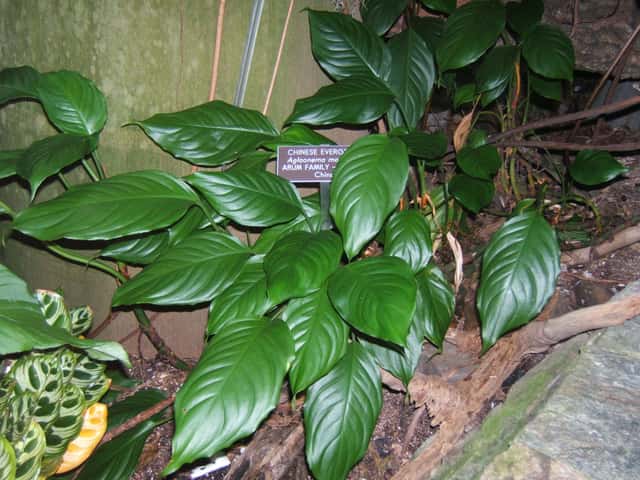
Chinese Evergreen (Aglaonema modestum) is a easy-care plant from the Araceae family. Aglaonema modestum, commonly known as Chinese Evergreen, is a tropical foliage plant native to China, Vietnam, and the Philippines. With long, glossy dark-green leaves, it is one of the most resilient and adaptable houseplants, thriving in low light and tolerating dry indoor air. It belongs to the A...
Chinese Evergreen grows up to 90cm, spread of 60cm, watering every 7 days, 15°C – 30°C, 50–70% humidity. It is suitable for indoor environments and not safe for pets.
Unlike many tropical plants, Chinese Evergreen tolerates watering mistakes. Best for beginners. Without precautions, ingestion can cause irritation in pets. Keep out of reach of cats and dogs. Without adequate drainage, root rot can develop within 14 days.
How to Care for Chinese Evergreen?
TLDR: Chinese Evergreen needs Low light, watering every 7 days, and temperatures between 15-30°C with 50-70% humidity.
How Often Should You Water Chinese Evergreen?
Water every 7 days, checking that the top 2-3 cm of soil are dry before watering. In winter reduce to every 10-14 days. Avoid waterlogging to prevent root rot.
How Much Light Does Chinese Evergreen Need?
Prefers bright indirect to low light, 500-2500 lux. Tolerates low artificial light in offices and hallways. Avoid direct sun, which can scorch leaves.
What Is the Best Soil for Chinese Evergreen?
Use well-draining potting mix with 20-30% perlite. Ideal pH 5.6-6.5. Avoid compacted or clay-heavy soils.
What Pot Should You Use for Chinese Evergreen?
Ceramic or plastic pot with drainage holes. 20-30 cm diameter for adult plants.
Care Schedule
Fertilize
Every 30 days
Misting
Every 3 days
Rotate
Every 30 days
Repot
Every 730 days
What Is Chinese Evergreen and Where Does It Come From?
Aglaonema modestum, commonly known as Chinese Evergreen, is a tropical foliage plant native to China, Vietnam, and the Philippines. With long, glossy dark-green leaves, it is one of the most resilient and adaptable houseplants, thriving in low light and tolerating dry indoor air. It belongs to the Araceae family.
How to Propagate Chinese Evergreen?
Stem Cutting
Use sterilized pruning shears. Change water weekly if rooting in water. Keep temperature above 18C.
- 1 Cut a healthy stem 10-15 cm long with 2-3 leaves
- 2 Let cut end dry for 1-2 hours or apply rooting hormone
- 3 Plant in moist well-draining substrate or place in water
- 4 Keep in a warm spot with indirect light
- 5 Transplant when roots reach 3-5 cm
Materials needed:
Clump Division
Perform division during repotting to minimize plant stress.
- 1 Carefully remove plant from pot
- 2 Separate side shoots with their own roots
- 3 Plant each division in an individual pot with fresh substrate
- 4 Water lightly and keep in bright indirect light
Materials needed:
How Big Does Chinese Evergreen Grow?
TLDR: Chinese Evergreen can reach up to 90cm tall with Slow growth rate.
Max height
90cm
Spread
60cm
Growth rate
Slow
Foliage
Evergreen
Warning: Toxic Plant
This plant can be toxic if ingested. Keep out of reach of:
Plant Uses
Ornamental
Great for decoration
Air Purifying
Improves air quality
Is your plant showing symptoms?
Click on the symptom to discover possible causes:
What Diseases Commonly Affect Chinese Evergreen?
TLDR: Chinese Evergreen is susceptible to 8 known diseases. Monitor regularly for early detection.
Root Rot
Root rot is a serious fungal disease that affects the root system of plants, causing them to decay and die. It is primarily caused by overwatering, poor drainage, or soil-borne fungi such as Pythium, Phytophthora, Rhizoctonia, and Fusarium. The disease thrives in waterlogged conditions where roots are deprived of oxygen, making them susceptible to fungal infection.
Bacterial Blight
Bacterial blight is a serious plant disease caused by pathogenic bacteria that enters plants through wounds or natural openings. It spreads rapidly in warm, wet conditions and can cause significant damage to leaves, stems, and flowers. The bacteria are transmitted by water splash, contaminated tools, and insects.
Leaf Spot
Leaf spot is a common fungal disease caused by various pathogens including Alternaria, Ascochyta, Colletotrichum, Septoria, and Venturia. It primarily affects leaves, causing discolored spots that can lead to premature leaf drop if left untreated.
Mealybugs
Mealybugs are small, soft-bodied insects covered with a white, waxy, cottony material. They are common pests of houseplants and outdoor plants in mild climates. These sap-sucking insects feed on plant tissue, causing damage, stunted growth, and can lead to plant death if left untreated. They produce sticky honeydew which attracts sooty mold.
Meaning & Symbolism
Symbol of good luck, prosperity, and longevity in Asian cultures.
Fun Facts
Aglaonema modestum has been used in traditional Asian folk medicine for centuries
It appears on NASA clean air study rankings, removing benzene and formaldehyde from indoor air
With proper care it can live for over 20 years
The name Aglaonema comes from Greek aglaos (bright) and nema (thread), referring to the bright stamens of its flowers
Frequently asked questions
Is Chinese Evergreen toxic to pets?
How often should I water it?
Can it survive in low light?
When should I repot?
Why are the leaves turning yellow?
Compare with similar plants
| Attribute | Difficulty | Light | Watering | Pet Safe |
|---|---|---|---|---|
| Field Maple | Easy | Bright indirect | 14d | ✓ |
| Silver Birch | Easy | Direct sun | 14d | ✓ |
| Common Blanketflower | Easy | Direct sun | 10d | ✓ |
| Cushion Bush | Easy | Direct sun | 14d | ✓ |





