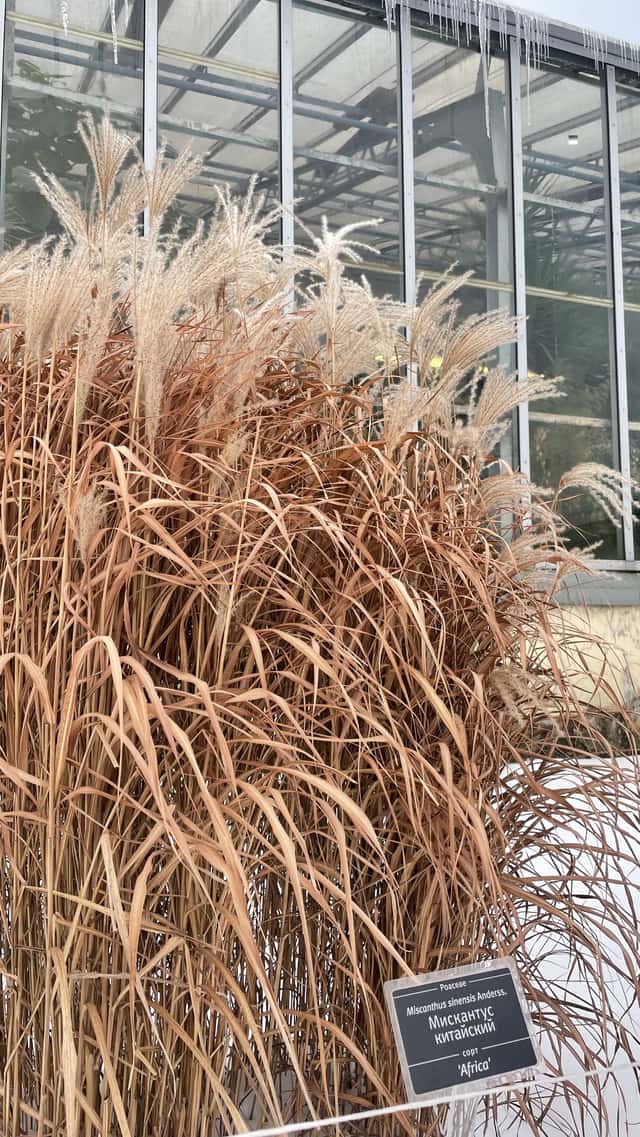
Poaceae
Chinese Silver Grass (Miscanthus sinensis): Complete Growing Guide
Miscanthus sinensis
A low-maintenance plant that thrives in full sun. Drought tolerant once established. Annual pruning in late winter keeps growth vigorous. Light fertilization in spring is sufficient.
Every 7 days
Bright indirect
-20° - 35°C
40% - 70%
Categories
What is Chinese Silver Grass?
Chinese Silver Grass (Miscanthus sinensis) is a easy-care plant from the Poaceae family. Miscanthus sinensis, commonly known as Chinese Silver Grass or Eulalia, is a perennial ornamental grass native to eastern Asia. It forms elegant clumping tufts with arching foliage and feathery silvery plumes that persist through autumn and winter, making it a standout feature in gardens during the...
Chinese Silver Grass grows up to 3.0m, spread of 150cm, watering every 7 days, -20°C – 35°C, 40–70% humidity. It is not suitable for indoor environments and safe for pets.
Unlike many tropical plants, Chinese Silver Grass tolerates watering mistakes. Best for beginners. Unlike many popular species, Chinese Silver Grass is safe to keep around pets.
How to Care for Chinese Silver Grass?
TLDR: Chinese Silver Grass needs Bright indirect, watering every 7 days, and temperatures between -20-35°C with 40-70% humidity.
How Often Should You Water Chinese Silver Grass?
Water deeply every 7 days during establishment. Once rooted, Chinese Silver Grass is highly drought tolerant and only needs watering during intense heat waves or prolonged dry spells.
How Much Light Does Chinese Silver Grass Need?
Plant in full sun (minimum 6 hours daily). Tolerates partial shade but flowering may be reduced. Sunny locations ensure the beautiful feathery plumes in autumn.
What Is the Best Soil for Chinese Silver Grass?
Prefers fertile, well-drained soils. Adapts to clay, sandy, or loamy soils. Avoid waterlogged conditions that can cause root rot. Slightly acidic to neutral pH (5.5-7.0).
What Pot Should You Use for Chinese Silver Grass?
Large ceramic or wooden container with excellent drainage, minimum 50 cm diameter. The plant reaches its full potential in open garden beds with room to spread.
Care Schedule
Fertilize
Every 90 days
What Is Chinese Silver Grass and Where Does It Come From?
Miscanthus sinensis, commonly known as Chinese Silver Grass or Eulalia, is a perennial ornamental grass native to eastern Asia. It forms elegant clumping tufts with arching foliage and feathery silvery plumes that persist through autumn and winter, making it a standout feature in gardens during the cooler seasons.
How to Propagate Chinese Silver Grass?
Clump Division
Divide every 3-5 years to rejuvenate the plant and control spread. Use clean, sharp tools.
- 1 Dig up the entire clump with a sturdy spade in late winter or early spring
- 2 Divide into smaller sections with at least 3-5 shoots each
- 3 Replant immediately in prepared fertile, well-drained soil
- 4 Water thoroughly after planting and keep moist until established
Materials needed:
Seed Sowing
Germination can be irregular. Division is the more reliable method for preserving cultivar characteristics.
- 1 Sow seeds on the surface of moist seed compost in pots
- 2 Keep in a warm location (20-25°C) with indirect light
- 3 Transplant seedlings when they reach 10-15 cm tall
- 4 Plant in final position after frost risk has passed
Materials needed:
How Big Does Chinese Silver Grass Grow?
TLDR: Chinese Silver Grass can reach up to 3.0m tall with Medium growth rate.
Max height
3.0m
Spread
1.5m
Growth rate
Medium
Foliage
Deciduous
Plant Uses
Ornamental
Great for decoration
Ground Cover
Soil coverage
Is your plant showing symptoms?
Click on the symptom to discover possible causes:
What Diseases Commonly Affect Chinese Silver Grass?
TLDR: Chinese Silver Grass is susceptible to 8 known diseases. Monitor regularly for early detection.
Root Rot
Root rot is a serious fungal disease that affects the root system of plants, causing them to decay and die. It is primarily caused by overwatering, poor drainage, or soil-borne fungi such as Pythium, Phytophthora, Rhizoctonia, and Fusarium. The disease thrives in waterlogged conditions where roots are deprived of oxygen, making them susceptible to fungal infection.
Phytophthora Root Rot
Disease caused by fungus-like organisms (oomycetes) that live in soil and can survive for years. It affects roots, stem, and crown of plants, being especially severe in waterlogged or poorly drained soils. It is the second most common cause of root rot in trees and shrubs.
Leaf Spot
Leaf spot is a common fungal disease caused by various pathogens including Alternaria, Ascochyta, Colletotrichum, Septoria, and Venturia. It primarily affects leaves, causing discolored spots that can lead to premature leaf drop if left untreated.
Rust
Rust is a common fungal disease caused by fungi in the order Pucciniales that affects a wide variety of plants. The disease gets its name from the characteristic orange, yellow, or reddish-brown pustules that appear on leaves, resembling metal rust. This obligate fungal parasite requires living plants to survive and can cause significant economic losses in agricultural crops.
Meaning & Symbolism
In Japan, susuki grass is an iconic symbol of autumn, featured in moon-viewing festivals and centuries of art and poetry. It represents grace, resilience, and the fleeting beauty of the seasons.
Fun Facts
Miscanthus sinensis can live up to 20 years with proper care
In Japan, susuki grass is one of the most iconic symbols of autumn, featured in art and poetry for centuries
It can grow up to 3 meters tall in a single growing season
It adapts to poor soils where most other plants cannot survive
Frequently asked questions
How often should I water Chinese Silver Grass?
Is Chinese Silver Grass toxic to pets?
When should I prune Chinese Silver Grass?
When does it flower?
Can it be grown in containers?
Compare with similar plants
| Attribute | Difficulty | Light | Watering | Pet Safe |
|---|---|---|---|---|
| Field Maple | Easy | Bright indirect | 14d | ✓ |
| Silver Birch | Easy | Direct sun | 14d | ✓ |
| Cushion Bush | Easy | Direct sun | 14d | ✓ |
| Peruvian peppertree | Easy | Direct sun | 14d | ⚠️ |





