Zamiaceae
Burrawang: Low Water Needs
Macrozamia
Macrozamia is exceptionally low-maintenance once established. It thrives in bright outdoor positions, requires only occasional deep watering, and tolerates long dry spells. Its slow growth means years of virtually effortless garden beauty with minimal intervention.
Every 14 days
Bright indirect
-4° - 33°C
40% - 70%
Categories
What is Burrawang?
Burrawang (Macrozamia) is a medium-care plant from the Zamiaceae family. Macrozamia is a genus of about 41 cycad species endemic to Australia, belonging to the ancient family Zamiaceae. Often called Burrawang or Zamia Palms, these living fossils have graced the Australian landscape for over 200 million years — long before flowering plants evolved. They form striking rose...
Burrawang grows up to 7.0m, spread of 300cm, watering every 14 days, -4°C – 33°C, 40–70% humidity. It is not suitable for indoor environments and not safe for pets.
Without precautions, ingestion can cause irritation in pets. Keep out of reach of cats and dogs.
How to Care for Burrawang?
TLDR: Burrawang needs Bright indirect, watering every 14 days, and temperatures between -4-33°C with 40-70% humidity.
How Often Should You Water Burrawang?
Water deeply but infrequently — allow the soil to dry out completely between waterings. Established plants are highly drought-tolerant and will rot if kept consistently moist. Reduce watering significantly in winter. Overwatering is the primary cause of death in cultivated Macrozamia.
How Much Light Does Burrawang Need?
Provide full sun to bright partial shade. Outdoor specimens perform best with direct sunlight for at least 4–6 hours per day. Indoor placement should be near a large, south-facing window. Avoid dense shade, which causes weak, pale fronds.
What Is the Best Soil for Burrawang?
Use a very well-draining mix — sandy or loamy soil is ideal. A blend of 50% coarse sand or perlite with 50% quality organic matter works well. Avoid clay-heavy soils; if planting in-ground in clay, raise the bed or mound the planting area significantly to ensure drainage.
What Pot Should You Use for Burrawang?
Terracotta or unglazed clay pot with large drainage holes. For in-ground planting, raised beds in areas with heavy soil.
Care Schedule
Fertilize
Every 90 days
What Is Burrawang and Where Does It Come From?
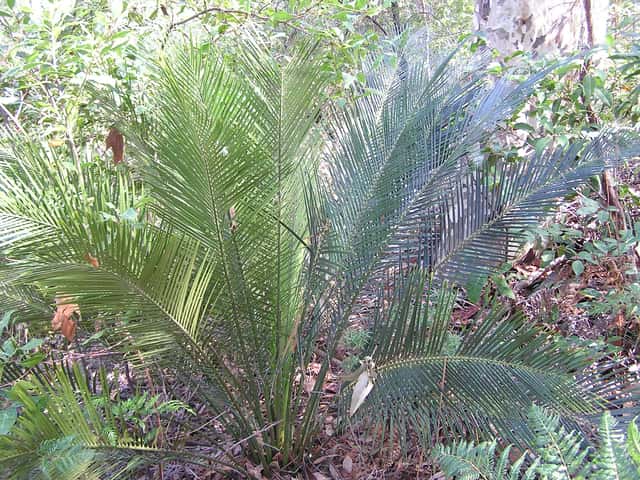
Macrozamia is a genus of about 41 cycad species endemic to Australia, belonging to the ancient family Zamiaceae. Often called Burrawang or Zamia Palms, these living fossils have graced the Australian landscape for over 200 million years — long before flowering plants evolved. They form striking rosettes of glossy, dark-green pinnate fronds emerging from a stout trunk or subterranean caudex. Dioecious by nature, male and female cones are borne on separate plants. All parts of the plant are highly toxic if ingested raw, containing cycasin and macrozamin — powerful hepatotoxic and neurotoxic compounds.
How to Propagate Burrawang?
Seed propagation
How Big Does Burrawang Grow?
TLDR: Burrawang can reach up to 7.0m tall with Slow growth rate.
Max height
7.0m
Spread
3.0m
Growth rate
Slow
Foliage
Evergreen
Warning: Toxic Plant
This plant can be toxic if ingested. Keep out of reach of:
Plant Uses
Ornamental
Great for decoration
Is your plant showing symptoms?
Click on the symptom to discover possible causes:
What Diseases Commonly Affect Burrawang?
TLDR: Burrawang is susceptible to 7 known diseases. Monitor regularly for early detection.
Root Rot
Root rot is a serious fungal disease that affects the root system of plants, causing them to decay and die. It is primarily caused by overwatering, poor drainage, or soil-borne fungi such as Pythium, Phytophthora, Rhizoctonia, and Fusarium. The disease thrives in waterlogged conditions where roots are deprived of oxygen, making them susceptible to fungal infection.
Overwatering
Overwatering occurs when plants receive too much water, depriving roots of oxygen and causing root rot. This environmental stress is one of the most common causes of houseplant death, as waterlogged soil prevents roots from breathing and functioning properly.
Crown Rot
Crown rot is a serious fungal disease that attacks the crown (base) of the plant where the stem meets the soil. It is caused by various fungal pathogens including Phytophthora, Fusarium, and Rhizoctonia. The disease thrives in waterlogged conditions and can quickly spread to kill the entire plant if not addressed promptly.
Phytophthora Root Rot
Disease caused by fungus-like organisms (oomycetes) that live in soil and can survive for years. It affects roots, stem, and crown of plants, being especially severe in waterlogged or poorly drained soils. It is the second most common cause of root rot in trees and shrubs.
Meaning & Symbolism
Ancient survivor — Macrozamia cycads have existed largely unchanged for over 200 million years, connecting gardens to the age of dinosaurs.
Fun Facts
Macrozamia cycads are among the oldest living plant genera on Earth, with fossils dating back over 200 million years to the Triassic period.
They are dioecious — you need both a male and a female plant to produce seeds, and both must be of reproductive age, which can take many years.
Australian Aboriginal peoples traditionally processed Macrozamia seeds as a food source, using soaking, fermentation, and roasting to remove the toxic cycasin compounds.
Macrozamia moorei can grow to 7 metres tall and live for over 1,000 years, making it one of Australia's longest-lived plants.
Frequently asked questions
Is Macrozamia (Burrawang) toxic to pets?
How fast does Macrozamia grow?
Can I grow Macrozamia indoors?
How often should I water my Macrozamia?
Compare with similar plants
| Attribute | Difficulty | Light | Watering | Pet Safe |
|---|---|---|---|---|
| Dark Fieldcap | Medium | Low light | 2d | ⚠️ |
| Azalea | Medium | Partial shade | 3d | ⚠️ |
| Bougainvillea | Medium | Direct sun | 7d | ⚠️ |
| Wild Lettuce | Medium | Direct sun | 7d | ⚠️ |



