Cupressaceae
Leyland Cypress: Full Sun Plant
× Hesperotropsis leylandii
It requires full sun and well-draining soil. It needs regular watering in the first few years after planting, but later tolerates drought well. Due to its rapid growth, it can be maintained as a hedge with one or two prunings annually. Avoid waterlogged, compacted soil, which can lead to root rot and fungal diseases.
Every 7 days
Direct sun
-20° - 38°C
40% - 80%
Categories
What is Leyland Cypress?
Leyland Cypress (× Hesperotropsis leylandii) is a easy-care plant from the Cupressaceae family. The Leyland Cypress (× Hesperotropsis leylandii) is a fast-growing evergreen coniferous hybrid belonging to the cypress family (Cupressaceae), originating from a cross between the Monterey Cypress (Cupressus macrocarpa) and the Nootka Cypress (Cupressus nootkatensis). Due to its dense, columnar-pyra...
Leyland Cypress grows up to 20.0m, spread of 450cm, watering every 7 days, -20°C – 38°C, 40–80% humidity. It is not suitable for indoor environments and not safe for pets.
Unlike many tropical plants, Leyland Cypress tolerates watering mistakes. Best for beginners. Without precautions, ingestion can cause irritation in pets. Keep out of reach of cats and dogs.
How to Care for Leyland Cypress?
TLDR: Leyland Cypress needs Direct sun, watering every 7 days, and temperatures between -20-38°C with 40-80% humidity.
How Often Should You Water Leyland Cypress?
Keep the soil consistently moist when young, but never allow water to stand around the roots. Once established, water rarely but deeply only during prolonged dry periods.
How Much Light Does Leyland Cypress Need?
It needs at least 6 hours of direct sunlight daily; in shade, it will become bare at the bottom and its foliage will thin out.
What Is the Best Soil for Leyland Cypress?
Prefers well-draining soil, ranging from slightly acidic to alkaline (pH 5.5–8.0). Heavy, water-retentive, compacted soil should be avoided.
What Pot Should You Use for Leyland Cypress?
When young, it can be grown in a large, deep pot with good drainage holes, but in the long term, it truly thrives when planted in the ground.
Care Schedule
Fertilize
Every 180 days
What Is Leyland Cypress and Where Does It Come From?
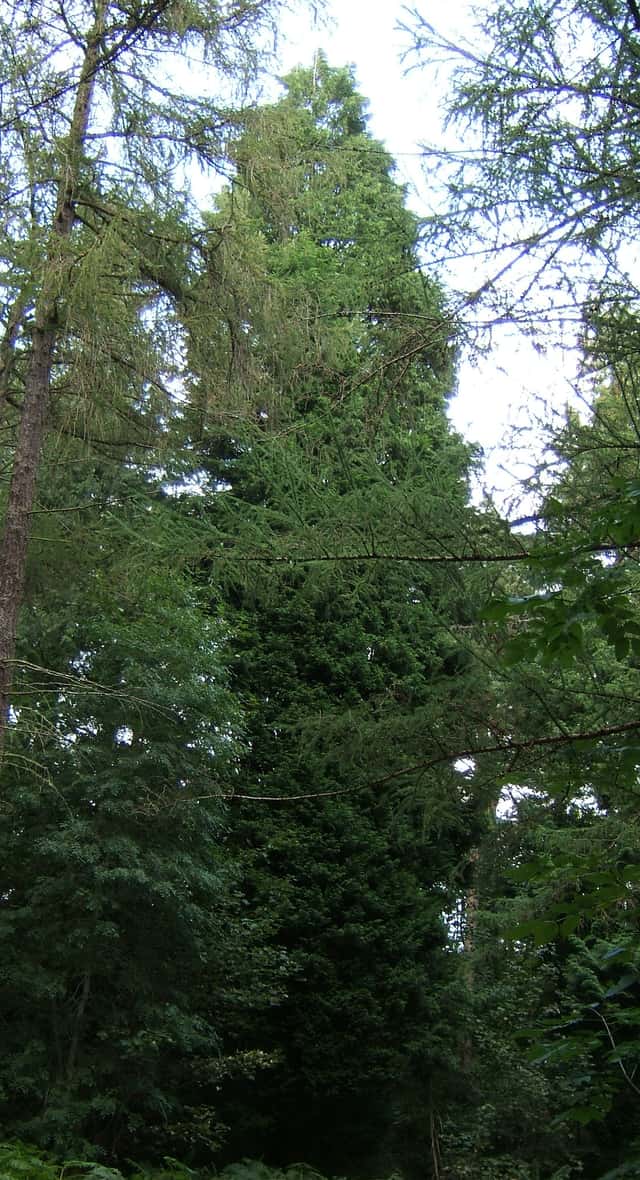
The Leyland Cypress (× Hesperotropsis leylandii) is a fast-growing evergreen coniferous hybrid belonging to the cypress family (Cupressaceae), originating from a cross between the Monterey Cypress (Cupressus macrocarpa) and the Nootka Cypress (Cupressus nootkatensis). Due to its dense, columnar-pyramidal, dark green foliage, it is one of the world's most popular hedging and windbreak plants. It can grow up to one meter per year and can reach a height of 20 meters under favorable conditions.
How to Propagate Leyland Cypress?
Semi-hardwood cutting
- The hybrid is practically sterile, so it cannot be reliably propagated from seed.
- Use rooting powder for better success.
- 1 Taking Cuttings
In late summer or early autumn, cut 10-15 cm (4-6 inch) semi-hardwood side shoots from a healthy mother plant.
- 2 Preparation
Remove the lower needles and dip the cut end into rooting hormone.
- 3 Planting
Plant in a loose, well-draining, sandy-peaty medium, and keep moist in a bright but not direct sun location.
Materials needed:
How Big Does Leyland Cypress Grow?
TLDR: Leyland Cypress can reach up to 20.0m tall with Fast growth rate.
Max height
20.0m
Spread
4.5m
Growth rate
Fast
Foliage
Evergreen
Warning: Toxic Plant
This plant can be toxic if ingested. Keep out of reach of:
Plant Uses
Ornamental
Great for decoration
Is your plant showing symptoms?
Click on the symptom to discover possible causes:
What Diseases Commonly Affect Leyland Cypress?
TLDR: Leyland Cypress is susceptible to 5 known diseases. Monitor regularly for early detection.
Canker
Canker is a disease caused by various fungi and bacteria that create necrotic, sunken areas on bark of branches, stems, and trunks. Pathogens enter through wounds and natural openings, especially when plants are stressed. Canker can gradually weaken or kill branches by disrupting water and nutrient flow.
Phytophthora Root Rot
Disease caused by fungus-like organisms (oomycetes) that live in soil and can survive for years. It affects roots, stem, and crown of plants, being especially severe in waterlogged or poorly drained soils. It is the second most common cause of root rot in trees and shrubs.
Spider Mites
Spider mites are tiny arachnids (less than 1/20 inch long) related to spiders and ticks that feed on plant sap. They thrive in hot, dry conditions and can cause significant damage to ornamental and vegetable plants. During severe infestations, crop losses can reach 14% or higher as these pests disrupt vital plant processes including photosynthesis, carbon dioxide absorption, and transpiration.
Aphids
Aphids are small, soft-bodied, pear-shaped insects (1/16 to 1/8 inch long) that feed by sucking nutrient-rich sap from plants. They reproduce rapidly and can quickly weaken plants, causing distorted growth and transmitting plant viruses. Aphids come in various colors including green, black, red, yellow, brown, and gray. They secrete honeydew, a sticky substance that attracts ants and encourages sooty mold growth.
Meaning & Symbolism
Cypresses traditionally symbolize eternity and remembrance; in modern gardens, the Leyland Cypress embodies privacy and a living green fence.
Compare with similar plants
| Attribute | Difficulty | Light | Watering | Pet Safe |
|---|---|---|---|---|
| Field Maple | Easy | Bright indirect | 14d | ✓ |
| Silver Birch | Easy | Direct sun | 14d | ✓ |
| Cushion Bush | Easy | Direct sun | 14d | ✓ |
| Peruvian peppertree | Easy | Direct sun | 14d | ⚠️ |