Cupressaceae
Sawara Cypress (Chamaecyparis pisifera): Complete Care Guide
Chamaecyparis pisifera
Plant in full sun to partial shade. Water moderately, allowing soil to dry slightly between waterings. Prefers well-draining, slightly acidic soil. Extremely cold-hardy, suitable for USDA zones 4a through 8b.
Every 10 days
Direct sun
-29° - 35°C
50% - 75%
Categories
What is Sawara cypress?
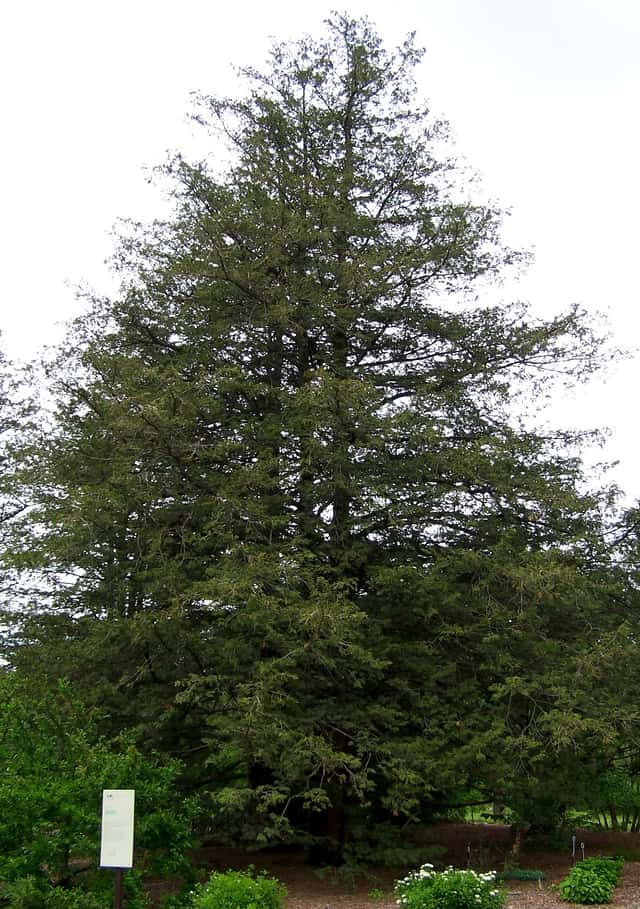
Sawara cypress (Chamaecyparis pisifera) is a medium-care plant from the Cupressaceae family. Chamaecyparis pisifera, commonly known as Sawara cypress or Sawara false cypress, is an evergreen conifer native to Japan, belonging to the Cupressaceae family. It is widely cultivated as an ornamental tree prized for its graceful, scale-like foliage and pyramidal form. The species encompasses over...
Sawara cypress grows up to 18.3m, spread of 610cm, watering every 10 days, -29°C – 35°C, 50–75% humidity. It is not suitable for indoor environments and safe for pets.
Unlike many popular species, Sawara cypress is safe to keep around pets.
How to Care for Sawara cypress?
TLDR: Sawara cypress needs Direct sun, watering every 10 days, and temperatures between -29-35°C with 50-75% humidity.
How Often Should You Water Sawara cypress?
Water every 10 days on average. Reduce frequency in winter. Never allow the soil to become waterlogged, as poor drainage promotes root rot. Once established, the plant is quite drought tolerant.
How Much Light Does Sawara cypress Need?
Prefers full sun with at least 6 hours of direct sunlight daily. Tolerates partial shade, but foliage color and growth rate will be reduced in lower light conditions.
What Is the Best Soil for Sawara cypress?
Use moist, well-drained loamy soil with a pH between 5.5 and 7.0. Avoid heavy clay or poorly drained soils. Amend with organic matter to improve drainage and fertility.
What Pot Should You Use for Sawara cypress?
Large ceramic or terracotta pot with drainage holes; for best results, plant directly in garden soil.
What Is Sawara cypress and Where Does It Come From?
Chamaecyparis pisifera, commonly known as Sawara cypress or Sawara false cypress, is an evergreen conifer native to Japan, belonging to the Cupressaceae family. It is widely cultivated as an ornamental tree prized for its graceful, scale-like foliage and pyramidal form. The species encompasses over 100 cultivars ranging in color from deep green to golden yellow and silver-blue, and in size from compact dwarf forms to large specimen trees reaching 60 feet. Highly valued in Japanese gardens, it is frequently found near Shinto shrines and Buddhist temples.
How to Propagate Sawara cypress?
Semi-hardwood stem cutting
Use current-year semi-hardwood shoots for best results. Maintain high humidity with a plastic tent or propagation case. Avoid intense direct sunlight during rooting.
- 1 Take a semi-hardwood cutting of 4-6 inches from current season growth in late fall
- 2 Remove foliage from the lower half of the cutting
- 3 Dip the base in rooting hormone powder
- 4 Insert into a mix of equal parts perlite and peat moss
- 5 Keep in a humid, shaded environment until rooted
Materials needed:
How Big Does Sawara cypress Grow?
TLDR: Sawara cypress can reach up to 18.3m tall with Slow growth rate.
Max height
18.3m
Spread
6.1m
Growth rate
Slow
Foliage
Evergreen
Plant Uses
Ornamental
Great for decoration
Is your plant showing symptoms?
Click on the symptom to discover possible causes:
What Diseases Commonly Affect Sawara cypress?
TLDR: Sawara cypress is susceptible to 6 known diseases. Monitor regularly for early detection.
Root Rot
Root rot is a serious fungal disease that affects the root system of plants, causing them to decay and die. It is primarily caused by overwatering, poor drainage, or soil-borne fungi such as Pythium, Phytophthora, Rhizoctonia, and Fusarium. The disease thrives in waterlogged conditions where roots are deprived of oxygen, making them susceptible to fungal infection.
Canker
Canker is a disease caused by various fungi and bacteria that create necrotic, sunken areas on bark of branches, stems, and trunks. Pathogens enter through wounds and natural openings, especially when plants are stressed. Canker can gradually weaken or kill branches by disrupting water and nutrient flow.
Spider Mites
Spider mites are tiny arachnids (less than 1/20 inch long) related to spiders and ticks that feed on plant sap. They thrive in hot, dry conditions and can cause significant damage to ornamental and vegetable plants. During severe infestations, crop losses can reach 14% or higher as these pests disrupt vital plant processes including photosynthesis, carbon dioxide absorption, and transpiration.
Scale Insects
Scale insects are small sap-sucking pests that appear as brown, shell-like bumps on plant stems and leaves. There are over 25 species, divided into armored (hard) and unarmored (soft) scales. They feed by piercing plant tissue and extracting sap, which weakens the plant and can lead to yellowing, stunted growth, and even death if left untreated. They also excrete honeydew, which attracts ants and promotes sooty mold growth.
Meaning & Symbolism
In Japan, the Sawara cypress symbolizes longevity, resilience, and spiritual purification. It is traditionally planted at Shinto shrines and Buddhist temples as a symbol of protection and endurance.
Fun Facts
Native to the mountains of Honshu and Kyushu in Japan, where it can reach 115 feet tall in the wild.
There are over 100 registered cultivars, with foliage ranging from blue-silver to bright golden yellow.
The species name "pisifera" is Latin for "pea-bearing," referring to its small, round, pea-sized cones.
Widely used in traditional Japanese gardens and commonly found growing near Shinto shrines and Buddhist temples.
Frequently asked questions
How often should I water Sawara cypress?
Does Sawara cypress need full sun?
How tall does Sawara cypress grow?
Is Sawara cypress toxic to pets?
What are common problems with Sawara cypress?
Compare with similar plants
| Attribute | Difficulty | Light | Watering | Pet Safe |
|---|---|---|---|---|
| Azalea | Medium | Partial shade | 3d | ⚠️ |
| Wild Lettuce | Medium | Direct sun | 7d | ⚠️ |
| Cape Primrose | Medium | Partial shade | 7d | ✓ |
| Turnip | Medium | Direct sun | 3d | ✓ |