Rosaceae
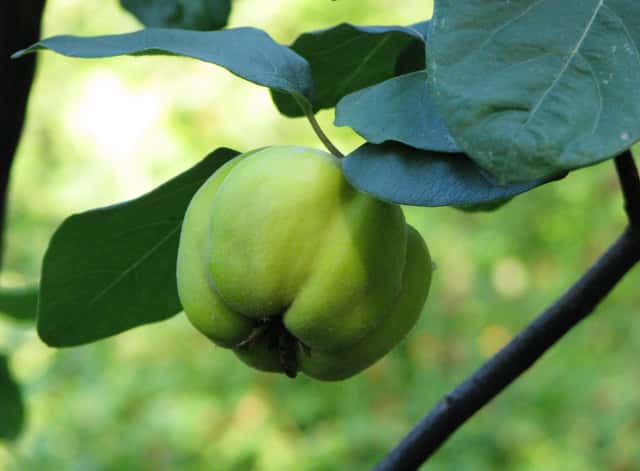
Quince (Cydonia oblonga)
Cydonia oblonga
Quince is a low-maintenance deciduous fruit tree thriving in full sun with well-drained, loamy soil. Water regularly during the first two years; established trees tolerate short dry spells. Prune lightly in late winter to maintain an open canopy. Fertilize once a year in early spring with a balanced fertilizer.
Every 10 days
Direct sun
-15° - 35°C
30% - 60%
Categories
What is Quince?
Quince (Cydonia oblonga) is a medium-care plant from the Rosaceae family. Cydonia oblonga, commonly known as quince, is a deciduous small tree or large shrub in the family Rosaceae. Native to southwest Asia and the Caucasus region, it produces fragrant pinkish-white flowers in spring and large, golden-yellow, pear-shaped aromatic fruits in autumn. One of the oldest cultiv...
Quince grows up to 6.0m, spread of 600cm, watering every 10 days, -15°C – 35°C, 30–60% humidity. It is not suitable for indoor environments and safe for pets.
Unlike many popular species, Quince is safe to keep around pets.
How to Care for Quince?
TLDR: Quince needs Direct sun, watering every 10 days, and temperatures between -15-35°C with 30-60% humidity.
How Often Should You Water Quince?
Water young trees deeply every 7–14 days during the growing season. Established trees need supplemental watering during prolonged dry periods, especially when fruit is developing. Avoid waterlogging — quince does not tolerate soggy roots.
How Much Light Does Quince Need?
Quince requires full sun (at least 6 hours of direct sunlight per day) for optimal fruiting and to reduce disease susceptibility. A south-facing sheltered spot is ideal in cooler climates.
What Is the Best Soil for Quince?
Plant in deep, fertile, well-drained loamy soil with a pH of 6.0–7.5. Amend with compost before planting. Quince tolerates a range of soils but performs best in moisture-retentive yet well-draining conditions. Avoid heavy clay that retains excess water.
Care Schedule
Fertilize
Every 14 days
Misting
Every 3 days
Rotate
Every 7 days
Repot
Every 365 days
What Is Quince and Where Does It Come From?
Cydonia oblonga, commonly known as quince, is a deciduous small tree or large shrub in the family Rosaceae. Native to southwest Asia and the Caucasus region, it produces fragrant pinkish-white flowers in spring and large, golden-yellow, pear-shaped aromatic fruits in autumn. One of the oldest cultivated fruits, quince has been grown for thousands of years for its culinary and medicinal properties.
How Big Does Quince Grow?
TLDR: Quince can reach up to 6.0m tall with Slow growth rate.
Max height
6.0m
Spread
6.0m
Growth rate
Slow
Foliage
Deciduous
Plant Uses
Ornamental
Great for decoration
Edible
Can be consumed
Medicinal
Medicinal properties
Medicinal Uses
- Astringent properties used to treat diarrhea and gastrointestinal complaints
- Seeds used as demulcent in folk medicine for sore throats and coughs
- Fruit decoctions used as diuretic and digestive aid
Culinary Uses
- Quince jelly and quince paste (membrillo)
- Poached or stewed quince with meat dishes
- Quince jam, marmalade, and preserves
- Quince liqueur and wine
Is your plant showing symptoms?
Click on the symptom to discover possible causes:
What Diseases Commonly Affect Quince?
TLDR: Quince is susceptible to 9 known diseases. Monitor regularly for early detection.
Fire Blight
Fire blight is a highly destructive and contagious bacterial disease caused by Erwinia amylovora. It primarily affects plants in the Rosaceae family, including apple, pear, quince trees, and various ornamental plants. The disease can destroy an entire orchard in a single growing season under ideal conditions, with the bacterium moving approximately 11 inches per week in new growth.
Powdery Mildew
Powdery mildew is a common fungal disease caused by various fungi species including Erysiphe, Podosphaera, Oïdium, and Leveillula. It affects over 10,000 plant species worldwide. The disease thrives in warm, dry climates with high humidity and appears as a distinctive white powdery coating on plant surfaces.
Leaf Spot
Leaf spot is a common fungal disease caused by various pathogens including Alternaria, Ascochyta, Colletotrichum, Septoria, and Venturia. It primarily affects leaves, causing discolored spots that can lead to premature leaf drop if left untreated.
Rust
Rust is a common fungal disease caused by fungi in the order Pucciniales that affects a wide variety of plants. The disease gets its name from the characteristic orange, yellow, or reddish-brown pustules that appear on leaves, resembling metal rust. This obligate fungal parasite requires living plants to survive and can cause significant economic losses in agricultural crops.
Fun Facts
Quince fruits are too astringent to eat raw but become sweet and fragrant when cooked.
The quince was the original "golden apple" of Greek mythology, sacred to Aphrodite.
Quince paste (membrillo) is a traditional Spanish confection paired with cheese.
Quince trees can live for over 50 years and improve fruit production with age.
Compare with similar plants
| Attribute | Difficulty | Light | Watering | Pet Safe |
|---|---|---|---|---|
| Dark Fieldcap | Medium | Low light | 2d | ⚠️ |
| Azalea | Medium | Partial shade | 3d | ⚠️ |
| Bougainvillea | Medium | Direct sun | 7d | ⚠️ |
| Wild Lettuce | Medium | Direct sun | 7d | ⚠️ |



