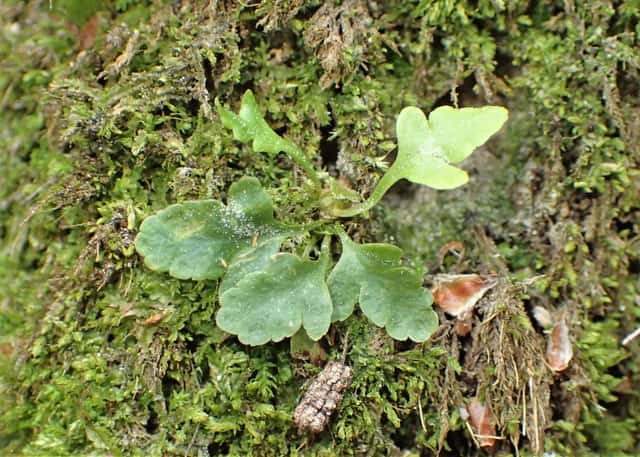
Polypodiaceae
Common Polypody (Polypodium vulgare)
Polypodium vulgare
Common polypody asks for very little: a shaded or partly shaded spot, well-drained humus-rich soil, and occasional watering to keep the rhizome from drying out completely. It has no true flowers and produces no seeds — instead it reproduces through microscopic spores released from sori on the frond undersides. Established plants tolerate short dry spells well and rarely need feeding.
Every 7 days
Low light
10° - 24°C
40% - 60%
Categories
What is Common Polypody?
Common Polypody (Polypodium vulgare) is a easy-care plant from the Polypodiaceae family. Polypodium vulgare, or common polypody, is a small evergreen fern native to the woodlands, rocky outcrops, and old stone walls of Europe and North Africa. Its horizontal, creeping rhizome anchors leathery, deeply lobed fronds that stay green through winter, while golden-orange spore clusters (sori)...
Common Polypody grows up to 30cm, spread of 60cm, watering every 7 days, 10°C – 24°C, 40–60% humidity. It is suitable for indoor environments and safe for pets.
Unlike many tropical plants, Common Polypody tolerates watering mistakes. Best for beginners. Unlike many popular species, Common Polypody is safe to keep around pets. Without adequate drainage, root rot can develop within 14 days.
How to Care for Common Polypody?
TLDR: Common Polypody needs Low light, watering every 7 days, and temperatures between 10-24°C with 40-60% humidity.
How Often Should You Water Common Polypody?
Water regularly through the first growing season to help the rhizome establish, then let the topsoil dry between waterings — this fern is naturally drought-tolerant once mature and dislikes sitting in wet soil.
How Much Light Does Common Polypody Need?
Give it shade to partial shade, ideally under deciduous trees; strong summer sun dries and browns the fronds quickly.
What Is the Best Soil for Common Polypody?
Plant in well-draining, humus-rich soil (sandy, loamy, or chalky) with a slightly acidic to neutral pH — it also grows happily wedged into rock crevices or old mortar.
What Pot Should You Use for Common Polypody?
A wide, shallow terracotta or unglazed pot works well, letting excess moisture evaporate and mimicking the fern's natural rocky habitat.
Care Schedule
Misting
Every 3 days
What Is Common Polypody and Where Does It Come From?
Polypodium vulgare, or common polypody, is a small evergreen fern native to the woodlands, rocky outcrops, and old stone walls of Europe and North Africa. Its horizontal, creeping rhizome anchors leathery, deeply lobed fronds that stay green through winter, while golden-orange spore clusters (sori) dot the undersides of mature leaves from midsummer into autumn. Remarkably tolerant of both shade and dry spells, it thrives as a lithophyte on rocks and walls or as an epiphyte on mossy tree trunks, making it one of the easiest ferns to naturalize in a temperate garden.
How to Propagate Common Polypody?
Spore propagation
Use sterilized equipment and compost to avoid mold outbreaks, and be patient — spore propagation is slow and has a naturally low success rate compared to division.
- 1 Collect ripe brown sori from the underside of mature fronds between July and September
- 2 Let the sori dry on paper for a few days to release the fine spores
- 3 Sprinkle the spores thinly over sterilized, moist peat-free compost
- 4 Cover the pot with a clear lid or plastic wrap to keep humidity high
- 5 Keep at 15-16°C in bright, indirect light and mist regularly
- 6 Once a green moss-like layer of prothalli appears, thin out and transplant tiny sporelings once true fronds form
Materials needed:
Rhizome division
Division is by far the fastest and most reliable way to propagate common polypody at home.
- 1 Lift an established clump in spring or early autumn
- 2 Gently separate the creeping rhizome into sections, each with roots and at least one frond
- 3 Replant each section immediately at the same depth in shaded, well-draining soil
- 4 Water well after replanting and keep consistently moist for the first few weeks
Materials needed:
How Big Does Common Polypody Grow?
TLDR: Common Polypody can reach up to 30cm tall with Slow growth rate.
Max height
30cm
Spread
60cm
Growth rate
Slow
Foliage
Evergreen
Plant Uses
Ornamental
Great for decoration
Medicinal
Medicinal properties
Ground Cover
Soil coverage
Medicinal Uses
- Traditionally used as a purgative and vermifuge from the dried rhizome
- Historically applied in folk remedies for coughs and liver complaints
Culinary Uses
- Rhizome traditionally used to flavor confectionery, including some nougat recipes, for its faint licorice-like aroma
Is your plant showing symptoms?
Click on the symptom to discover possible causes:
What Diseases Commonly Affect Common Polypody?
TLDR: Common Polypody is susceptible to 8 known diseases. Monitor regularly for early detection.
Root Rot
Root rot is a serious fungal disease that affects the root system of plants, causing them to decay and die. It is primarily caused by overwatering, poor drainage, or soil-borne fungi such as Pythium, Phytophthora, Rhizoctonia, and Fusarium. The disease thrives in waterlogged conditions where roots are deprived of oxygen, making them susceptible to fungal infection.
Overwatering
Overwatering occurs when plants receive too much water, depriving roots of oxygen and causing root rot. This environmental stress is one of the most common causes of houseplant death, as waterlogged soil prevents roots from breathing and functioning properly.
Rust
Rust is a common fungal disease caused by fungi in the order Pucciniales that affects a wide variety of plants. The disease gets its name from the characteristic orange, yellow, or reddish-brown pustules that appear on leaves, resembling metal rust. This obligate fungal parasite requires living plants to survive and can cause significant economic losses in agricultural crops.
Spider Mites
Spider mites are tiny arachnids (less than 1/20 inch long) related to spiders and ticks that feed on plant sap. They thrive in hot, dry conditions and can cause significant damage to ornamental and vegetable plants. During severe infestations, crop losses can reach 14% or higher as these pests disrupt vital plant processes including photosynthesis, carbon dioxide absorption, and transpiration.
Meaning & Symbolism
In European folklore, polypody ferns growing on oak trees were once gathered as protective charms and folk remedies, symbolizing quiet resilience and the ability to thrive in the most overlooked corners of the forest.
Fun Facts
Its genus name Polypodium means "many feet," describing the numerous stubby branches of its creeping rhizome.
It can grow as an epiphyte on mossy oak branches as easily as it grows on rocks and old stone walls.
The rhizome has a faintly sweet, licorice-like taste and was once used to flavor nougat.
Unlike most ferns, it copes well with dry spells thanks to its thick, water-storing rhizome.
Frequently asked questions
Does common polypody flower?
How often should I water Polypodium vulgare?
Is common polypody toxic to pets?
Can I grow common polypody indoors?
Why are the fronds turning yellow or mushy?
Compare with similar plants
| Attribute | Difficulty | Light | Watering | Pet Safe |
|---|---|---|---|---|
| Field Maple | Easy | Bright indirect | 14d | ✓ |
| Silver Birch | Easy | Direct sun | 14d | ✓ |
| Common Blanketflower | Easy | Direct sun | 10d | ✓ |
| Cushion Bush | Easy | Direct sun | 14d | ✓ |





