Cyperaceae
Tall Flatsedge – Complete Care Guide for Cyperus eragrostis
Cyperus eragrostis
Tall Flatsedge is easy to grow in consistently moist to wet soil. Place in full sun to partial shade. Water weekly and never let the soil dry out completely. It is tolerant of a wide range of soil types and pH levels, making it versatile for wetland gardens, container ponds, and streamside plantings.
Every 7 days
Bright indirect
-9° - 35°C
50% - 80%
Categories
What is Tall Flatsedge?
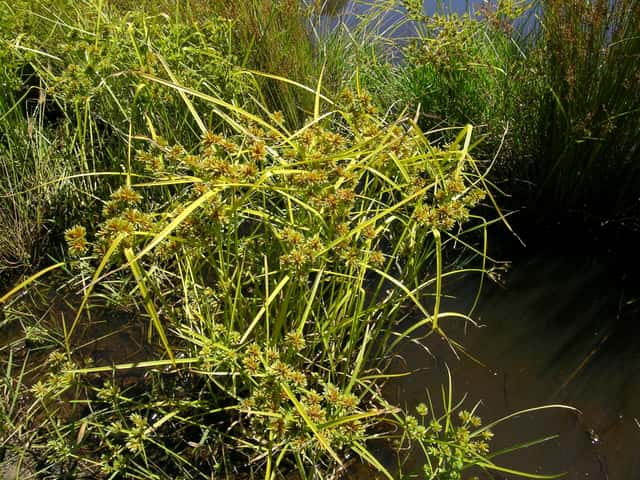
Tall Flatsedge (Cyperus eragrostis) is a easy-care plant from the Cyperaceae family. Cyperus eragrostis, commonly known as Tall Flatsedge or Pale Galingale, is a tufted perennial sedge native to subtropical and tropical South America, now naturalized worldwide. It thrives in wet environments such as wetlands, ditches, riverbanks, and pond margins, growing 25–90 cm tall. Its umbrella...
Tall Flatsedge grows up to 90cm, spread of 50cm, watering every 7 days, -9°C – 35°C, 50–80% humidity. It is suitable for indoor environments and safe for pets.
Unlike many tropical plants, Tall Flatsedge tolerates watering mistakes. Best for beginners. Unlike many popular species, Tall Flatsedge is safe to keep around pets. Without adequate drainage, root rot can develop within 14 days.
How to Care for Tall Flatsedge?
TLDR: Tall Flatsedge needs Bright indirect, watering every 7 days, and temperatures between -9-35°C with 50-80% humidity.
How Often Should You Water Tall Flatsedge?
Keep the soil consistently moist or even standing in shallow water. Water thoroughly once a week, or more often in hot, dry conditions. This plant thrives with its roots in wet soil — a saucer of water under a pot can help indoors.
How Much Light Does Tall Flatsedge Need?
Provide full sun for best growth and flowering. It tolerates partial shade but may grow less vigorously. Place in a south- or east-facing spot to ensure at least 6 hours of light daily.
What Is the Best Soil for Tall Flatsedge?
Use loamy, moisture-retentive soil. Tall Flatsedge tolerates clay and sandy soils. Avoid dry or free-draining mixes. A pH between 5.5 and 7.5 is suitable. Mixing in compost or organic matter improves moisture retention.
What Pot Should You Use for Tall Flatsedge?
Wide, shallow containers or aquatic plant baskets work best. Use terracotta or plastic pots with drainage holes sat in a deep saucer of water, or use aquatic baskets submerged at pond margins.
Care Schedule
Fertilize
Every 60 days
Repot
Every 730 days
What Is Tall Flatsedge and Where Does It Come From?
Cyperus eragrostis, commonly known as Tall Flatsedge or Pale Galingale, is a tufted perennial sedge native to subtropical and tropical South America, now naturalized worldwide. It thrives in wet environments such as wetlands, ditches, riverbanks, and pond margins, growing 25–90 cm tall. Its umbrella-like flower heads with yellow-green-brown spikelets make it an attractive ornamental for water gardens and rain gardens.
How to Propagate Tall Flatsedge?
Clump Division
Division is the most reliable method. Do it every 2-3 years to prevent overcrowding.
- 1 Dig up the entire clump in early spring
- 2 Separate the clump into smaller sections with at least 3 stems each
- 3 Replant divisions in moist or wet soil at the same depth
- 4 Water thoroughly and keep consistently moist
Materials needed:
Seed Propagation
Seeds need light to germinate — do not cover them. Keep humidity high.
- 1 Collect ripe seeds from the flower heads in late summer
- 2 Sow on the surface of damp seed compost
- 3 Keep the tray standing in shallow water
- 4 Germination occurs in 2-4 weeks at 18-22°C
Materials needed:
How Big Does Tall Flatsedge Grow?
TLDR: Tall Flatsedge can reach up to 90cm tall with Medium growth rate.
Max height
90cm
Spread
50cm
Growth rate
Medium
Foliage
Evergreen
Plant Uses
Ornamental
Great for decoration
Ground Cover
Soil coverage
Culinary Uses
- Tubers can be eaten raw or cooked and reportedly taste like coconut and raisins
- Rhizomes are also edible and were consumed by indigenous peoples
Is your plant showing symptoms?
Click on the symptom to discover possible causes:
What Diseases Commonly Affect Tall Flatsedge?
TLDR: Tall Flatsedge is susceptible to 5 known diseases. Monitor regularly for early detection.
Root Rot
Root rot is a serious fungal disease that affects the root system of plants, causing them to decay and die. It is primarily caused by overwatering, poor drainage, or soil-borne fungi such as Pythium, Phytophthora, Rhizoctonia, and Fusarium. The disease thrives in waterlogged conditions where roots are deprived of oxygen, making them susceptible to fungal infection.
Aphids
Aphids are small, soft-bodied, pear-shaped insects (1/16 to 1/8 inch long) that feed by sucking nutrient-rich sap from plants. They reproduce rapidly and can quickly weaken plants, causing distorted growth and transmitting plant viruses. Aphids come in various colors including green, black, red, yellow, brown, and gray. They secrete honeydew, a sticky substance that attracts ants and encourages sooty mold growth.
Spider Mites
Spider mites are tiny arachnids (less than 1/20 inch long) related to spiders and ticks that feed on plant sap. They thrive in hot, dry conditions and can cause significant damage to ornamental and vegetable plants. During severe infestations, crop losses can reach 14% or higher as these pests disrupt vital plant processes including photosynthesis, carbon dioxide absorption, and transpiration.
Leaf Spot
Leaf spot is a common fungal disease caused by various pathogens including Alternaria, Ascochyta, Colletotrichum, Septoria, and Venturia. It primarily affects leaves, causing discolored spots that can lead to premature leaf drop if left untreated.
Meaning & Symbolism
A symbol of wetland resilience and natural adaptability. Used in erosion control and ecological restoration, representing the power of plants to stabilize and protect waterways.
Fun Facts
Tall Flatsedge is native to South America but has naturalized on every continent except Antarctica
Its edible tubers reportedly taste like coconut and raisins
It has been used by indigenous peoples in basket weaving
One of the few ornamental sedges that actively thrives in waterlogged soil
Frequently asked questions
How often should I water Tall Flatsedge?
Is Tall Flatsedge invasive?
Is Cyperus eragrostis toxic to pets?
Can Tall Flatsedge grow indoors?
When does Tall Flatsedge flower?
Compare with similar plants
| Attribute | Difficulty | Light | Watering | Pet Safe |
|---|---|---|---|---|
| Field Maple | Easy | Bright indirect | 14d | ✓ |
| Silver Birch | Easy | Direct sun | 14d | ✓ |
| Cushion Bush | Easy | Direct sun | 14d | ✓ |
| Peruvian peppertree | Easy | Direct sun | 14d | ⚠️ |





