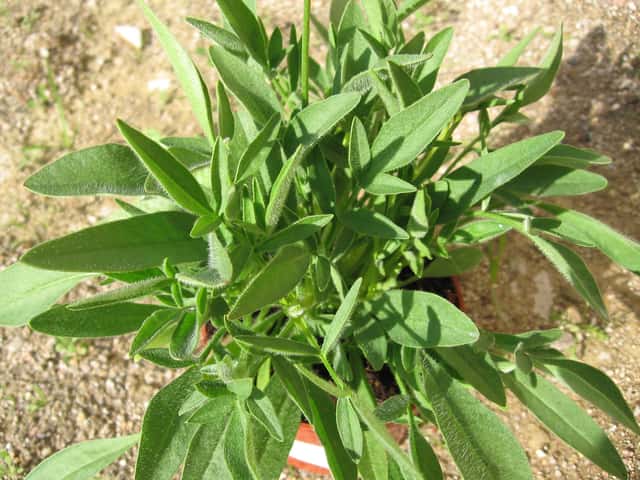
Asteraceae
Large-flowered Tickseed: Ground Cover Plant
Coreopsis grandiflora
Plant in a sunny location with well-drained soil. Highly drought-tolerant once established. Virtually pest and disease-free under ideal conditions.
Every 7 days
Direct sun
-20° - 38°C
30% - 60%
Categories
What is Large-flowered Tickseed?
Large-flowered Tickseed (Coreopsis grandiflora) is a easy-care plant from the Asteraceae family. Coreopsis grandiflora, commonly known as Coreopsis or Tickseed, is a perennial plant native to North America, belonging to the Asteraceae family. Its radiant golden flowers bloom from late spring through summer, attracting pollinators such as bees and butterflies. It is an extremely hardy, drought-t...
Large-flowered Tickseed grows up to 90cm, spread of 60cm, watering every 7 days, -20°C – 38°C, 30–60% humidity. It is not suitable for indoor environments and safe for pets.
Unlike many tropical plants, Large-flowered Tickseed tolerates watering mistakes. Best for beginners. Unlike many popular species, Large-flowered Tickseed is safe to keep around pets.
How to Care for Large-flowered Tickseed?
TLDR: Large-flowered Tickseed needs Direct sun, watering every 7 days, and temperatures between -20-38°C with 30-60% humidity.
How Often Should You Water Large-flowered Tickseed?
Water deeply every 7 days during dry spells. Avoid waterlogged soil, which is the primary cause of problems for Coreopsis. Once established, it tolerates long periods without rain.
How Much Light Does Large-flowered Tickseed Need?
Requires full sun (at least 6 hours of direct sunlight per day). In lower light conditions, the plant tends to become leggy and produce fewer blooms. Avoid shaded environments.
What Is the Best Soil for Large-flowered Tickseed?
Prefers well-drained, sandy, or rocky soils. Does not tolerate heavy clay or waterlogged soils. The ideal pH is between 6.0 and 8.0. It does not require fertile soil—excessive nutrients promote foliage growth at the expense of flowers.
What Pot Should You Use for Large-flowered Tickseed?
Terracotta or plastic pots with drainage holes. Avoid pots without holes, as Coreopsis does not tolerate waterlogged soil.
Care Schedule
Fertilize
Every 90 days
What Is Large-flowered Tickseed and Where Does It Come From?
Coreopsis grandiflora, commonly known as Coreopsis or Tickseed, is a perennial plant native to North America, belonging to the Asteraceae family. Its radiant golden flowers bloom from late spring through summer, attracting pollinators such as bees and butterflies. It is an extremely hardy, drought-tolerant plant that is easy to grow.
How to Propagate Large-flowered Tickseed?
Clump Division
Divide every 2-3 years to maintain plant vigor and encourage more blooms.
- 1 Remove the plant from the ground in spring
- 2 Divide the clump into sections, each with roots and shoots
- 3 Plant the divisions in a sunny spot with well-drained soil
- 4 Water well after planting
Materials needed:
Sowing
Seeds can be sown directly in the garden after the last frost or started indoors 6-8 weeks prior.
- 1 Sow seeds on the surface of moist substrate
- 2 Keep in a bright location with temperatures between 18-24°C
- 3 Germination occurs in 10-21 days
- 4 Transplant seedlings when they have 2-3 pairs of leaves
Materials needed:
How Big Does Large-flowered Tickseed Grow?
TLDR: Large-flowered Tickseed can reach up to 90cm tall with Medium growth rate.
Max height
90cm
Spread
60cm
Growth rate
Medium
Foliage
Deciduous
Plant Uses
Ornamental
Great for decoration
Ground Cover
Soil coverage
Is your plant showing symptoms?
Click on the symptom to discover possible causes:
What Diseases Commonly Affect Large-flowered Tickseed?
TLDR: Large-flowered Tickseed is susceptible to 11 known diseases. Monitor regularly for early detection.
Downy Mildew
Downy mildew is a fungal-like disease caused by oomycetes (water molds) that thrives in cool, wet conditions. It affects a wide range of plants, causing yellowing leaves with fuzzy white-gray growth underneath, leading to defoliation and reduced yields if left untreated.
Powdery Mildew
Powdery mildew is a common fungal disease caused by various fungi species including Erysiphe, Podosphaera, Oïdium, and Leveillula. It affects over 10,000 plant species worldwide. The disease thrives in warm, dry climates with high humidity and appears as a distinctive white powdery coating on plant surfaces.
Crown Rot
Crown rot is a serious fungal disease that attacks the crown (base) of the plant where the stem meets the soil. It is caused by various fungal pathogens including Phytophthora, Fusarium, and Rhizoctonia. The disease thrives in waterlogged conditions and can quickly spread to kill the entire plant if not addressed promptly.
Root Rot
Root rot is a serious fungal disease that affects the root system of plants, causing them to decay and die. It is primarily caused by overwatering, poor drainage, or soil-borne fungi such as Pythium, Phytophthora, Rhizoctonia, and Fusarium. The disease thrives in waterlogged conditions where roots are deprived of oxygen, making them susceptible to fungal infection.
Meaning & Symbolism
Coreopsis is a symbol of joy, optimism, and good luck. Its golden flowers represent happiness and positive energy.
Compare with similar plants
| Attribute | Difficulty | Light | Watering | Pet Safe |
|---|---|---|---|---|
| Small Scabious | Easy | Direct sun | 7d | ✓ |
| Field Maple | Easy | Bright indirect | 14d | ✓ |
| Silver Birch | Easy | Direct sun | 14d | ✓ |
| Red valerian | Easy | Direct sun | 10d | ✓ |



