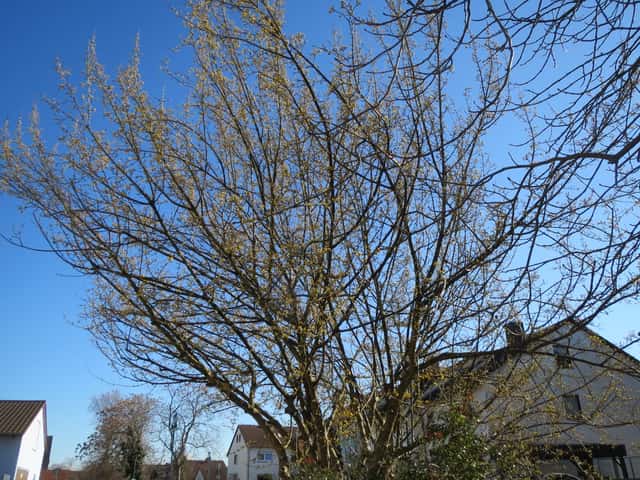
Cornaceae
Cornelian Cherry — Cornus mas
Cornus mas
A tough, low-maintenance plant that thrives in full sun to partial shade and tolerates a wide range of well-drained soils. Water regularly during the first year; once established, it is fairly drought-tolerant. Notably resistant to dogwood anthracnose and the dogwood borer.
Every 10 days
Bright indirect
-25° - 35°C
30% - 70%
Categories
What is Cornelian Cherry?
Cornelian Cherry (Cornus mas) is a easy-care plant from the Cornaceae family. Cornelian Cherry (Cornus mas) is a deciduous shrub or small tree native to southern Europe and western Asia, belonging to the family Cornaceae. One of the earliest plants to bloom, it produces clusters of small bright yellow flowers on bare branches in late winter or early spring before the leaves e...
Cornelian Cherry grows up to 7.6m, spread of 610cm, watering every 10 days, -25°C – 35°C, 30–70% humidity. It is not suitable for indoor environments and safe for pets.
Unlike many tropical plants, Cornelian Cherry tolerates watering mistakes. Best for beginners. Unlike many popular species, Cornelian Cherry is safe to keep around pets.
How to Care for Cornelian Cherry?
TLDR: Cornelian Cherry needs Bright indirect, watering every 10 days, and temperatures between -25-35°C with 30-70% humidity.
How Often Should You Water Cornelian Cherry?
Water deeply about once a week during dry periods in the first growing season. Once established, water during prolonged dry spells, especially in summer. Avoid waterlogged conditions. Mulching helps retain soil moisture.
How Much Light Does Cornelian Cherry Need?
Grows best in full sun (6+ hours), which maximizes flowering and fruit production. Tolerates light partial shade, especially in warmer climates where afternoon shade can reduce stress. Avoid deep shade.
What Is the Best Soil for Cornelian Cherry?
Adapts to a wide range of soils including clay, loam, and sand, as long as drainage is adequate. Prefers slightly acidic to neutral soil with a pH of 5.5–7.5. Benefits from organic matter mixed into the planting site.
Care Schedule
Fertilize
Every 14 days
Misting
Every 3 days
Rotate
Every 7 days
Repot
Every 365 days
What Is Cornelian Cherry and Where Does It Come From?
Cornelian Cherry (Cornus mas) is a deciduous shrub or small tree native to southern Europe and western Asia, belonging to the family Cornaceae. One of the earliest plants to bloom, it produces clusters of small bright yellow flowers on bare branches in late winter or early spring before the leaves emerge. The glossy red, olive-shaped fruits ripen in late summer and are edible, traditionally used in jams, syrups, sauces, and liqueurs. The plant offers multi-season ornamental interest through its exfoliating bark and reddish autumn foliage.
How Big Does Cornelian Cherry Grow?
TLDR: Cornelian Cherry can reach up to 7.6m tall with Medium growth rate.
Max height
7.6m
Spread
6.1m
Growth rate
Medium
Foliage
Deciduous
Plant Uses
Ornamental
Great for decoration
Edible
Can be consumed
Medicinal
Medicinal properties
Medicinal Uses
- Fruit and bark have astringent and febrifuge properties, traditionally used to treat diarrhea, intestinal complaints, and fevers.
Culinary Uses
- Ripe fruits can be eaten fresh, dried, or made into jams, syrups, juices, sauces, wine, and liqueurs. Seeds can be roasted as a coffee substitute. Widely used in Eastern European cuisine.
Is your plant showing symptoms?
Click on the symptom to discover possible causes:
What Diseases Commonly Affect Cornelian Cherry?
TLDR: Cornelian Cherry is susceptible to 8 known diseases. Monitor regularly for early detection.
Powdery Mildew
Powdery mildew is a common fungal disease caused by various fungi species including Erysiphe, Podosphaera, Oïdium, and Leveillula. It affects over 10,000 plant species worldwide. The disease thrives in warm, dry climates with high humidity and appears as a distinctive white powdery coating on plant surfaces.
Anthracnose
Anthracnose is a fungal disease caused by fungi in the genus Colletotrichum that affects many plants, including vegetables, fruits, and trees. The disease thrives in cool, wet conditions, causing dark, sunken lesions on leaves, stems, flowers, and fruits.
Septoria Leaf Spot
Septoria leaf spot is a destructive fungal disease caused by Septoria lycopersici, particularly devastating during seasons of moderate temperature and abundant rainfall. The disease starts on lower leaves and progresses upward, causing small circular spots with tan to gray centers and dark brown margins. If left untreated, it can dramatically reduce plant yields and cause complete leaf blight.
Canker
Canker is a disease caused by various fungi and bacteria that create necrotic, sunken areas on bark of branches, stems, and trunks. Pathogens enter through wounds and natural openings, especially when plants are stressed. Canker can gradually weaken or kill branches by disrupting water and nutrient flow.
Fun Facts
One of the earliest flowering shrubs of the year, providing vital nectar for bees from as early as February when few other plants are in bloom.
Cornelian cherry fruits have been consumed by humans for thousands of years — seeds have been found at prehistoric archaeological sites across Europe.
Despite belonging to the dogwood genus, Cornus mas has excellent natural resistance to dogwood anthracnose, a disease that devastates many other dogwood species.
Frequently asked questions
Is the Cornelian Cherry fruit edible?
When does Cornelian Cherry bloom?
How cold-hardy is Cornelian Cherry?
Compare with similar plants
| Attribute | Difficulty | Light | Watering | Pet Safe |
|---|---|---|---|---|
| Field Maple | Easy | Bright indirect | 14d | ✓ |
| Silver Birch | Easy | Direct sun | 14d | ✓ |
| Cushion Bush | Easy | Direct sun | 14d | ✓ |
| Peruvian peppertree | Easy | Direct sun | 14d | ⚠️ |





